Adhesive Bonding Fundamentals for Real‑World Sticky Challenges
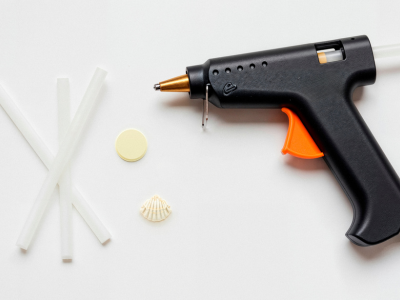
Adhesion often feels like magic with a hot nozzle and a brave finger. However, the magic is chemistry dressed for work. Fortunately, you do not need a lab coat to enjoy it. You only need curiosity, clear steps, and a steady hand. Across homes and factories, the same rules apply. Therefore, let’s explore how heat, a trigger, and a clean surface create reliable bonds. Moreover, we will keep the tone friendly and global. We will use plain language and helpful metaphors. We will also meet polymer chains without drowning in jargon. Above all, we will translate science into practical, repeatable moves. Along the way, we will spotlight adhesive bonding fundamentals in context.
Why Things Stick, and Why It Matters Everywhere
Things stick because molecules like contact and order. Adhesives help create that contact at scale. Polymers flow, spread, and then reorganize into a strong network. Consequently, they connect surfaces that would rather keep their distance. You experience this in packages, shoes, smartphones, and aircraft panels. Meanwhile, crafters and factories follow similar logic with different tools.
Therefore, understanding adhesive bonding fundamentals pays off in daily life. You make better repairs with less mess. You also design stronger products with fewer fasteners. Globally, that knowledge saves energy, time, and inventory. It also cuts waste, which helps both budgets and ecosystems.
Adhesion Versus Cohesion, Explained Simply
Adhesion describes how glue bonds to a surface. Cohesion describes how glue holds itself together. Both matter because failure attacks the weaker side first. If the glue does not grip the surface, it peels easily. If the glue lacks internal strength, it tears under stress. Therefore, balance is the goal every time.
Polymers make this balancing act possible. They are long, flexible chains that move when heated. They also entangle when cooled, which builds strength. Thus, you rely on these chains for toughness and durability. Naturally, adhesive bonding fundamentals place this relationship front and center.
Heat: Where Mobility Meets Opportunity
Heat unlocks mobility in thermoplastic adhesives. As the temperature rises, viscosity falls. The melt flows, spreads, and wets the surface better. Therefore, molecules gain more chances to interact and hold. This is the quiet drama inside every glue bead.
However, heat has a sweet spot, not a contest. Too cool, and the glue refuses to wet. Too hot, and polymers begin to degrade. Charring follows, and performance drops fast. Consequently, temperature control is essential in every environment. Predictable heat sits at the core of adhesive bonding fundamentals.
Trigger: Precision Turns Flow Into Performance
The trigger not only pushes a stick forward. It measures flow and timing in real situations. With consistent squeeze speed, beads become uniform and tidy. Your hands create repeatable delivery when you move smoothly. Moreover, you reduce strings and air pockets with rhythm.
Factories automate this step with sensors and pumps. They regulate flow down to tiny increments. Meanwhile, heated hoses maintain temperature from tank to tip. Therefore, lines achieve reproducibility across shifts and seasons. As a result, adhesive bonding fundamentals scale elegantly from bench to plant.
Surface Preparation: Short Work, Big Results
Preparation is unglamorous, yet it wins trophies. Oils, dust, and moisture interfere with adhesion. They block the melt from touching the surface clearly. Therefore, clean surfaces bond stronger and fail less often. Isopropyl alcohol wipes often help with light contamination.
Glossy plastics also benefit from gentle roughening. You create micro‑texture without gouging the substrate. Moreover, you should fully dry the surface before application. Trapped moisture can create weak spots later. Unsurprisingly, adhesive bonding fundamentals begin with clean, dry, ready surfaces.
Materials Around the World, One Playbook
Materials behave differently, yet the playbook remains consistent. Wood and paper welcome adhesives thanks to porosity. Metals bond well after a thorough degreasing step. Glass works fine, but fears sharp thermal shocks. Fabrics absorb aggressively and need controlled bead sizes. Foams deform under heat and require gentler settings.
Plastics vary the most, from friendly to aloof. Some love adhesives, while others resist without primers. Climate influences results across regions significantly. Humidity, heat, and dust complicate workflows and storage. Still, adhesive bonding fundamentals adapt across countries and climates.
Time, Pressure, and Cooling: The Closing Trio
Time allows the melt to flow and wet properly. If you rush, you risk strings and voids. Meanwhile, gentle pressure improves contact during open time. Light clamping helps alignment and spreads force evenly. Therefore, parts stay where you want them while cooling.
Cooling transforms a flowing melt into a solid network. Chains slow down, entangle, and lock together. Consequently, bond strength rises as the temperature falls. Avoid disturbing joints until solidification completes. Predictable cooling remains central to adhesive bonding fundamentals.
Everyday Adhesion: Kitchens, Classrooms, and Studios
You practice this science without calling it science. A cable clip holds better on a clean wall. A shoe repair lasts longer with aligned parts. A model stays neat with controlled bead sizes. Meanwhile, small trials save time before final assembly.
These habits convert hope into reliability. They also prevent waste and rework downstream. Moreover, they help beginners get professional results sooner. The rules travel easily between homes and factories. Ultimately, adhesive bonding fundamentals turn chaos into calm confidence.
Industrial Reality: Where Scale Meets Discipline
Packaging lines care about speed and seal integrity. Therefore, they optimize temperatures to avoid char and clogs. Footwear teams balance flexibility and long-term durability. Electronics designers embrace adhesives to avoid bulky hardware. Automotive interiors demand low odor and reduced fogging.
Across continents, regulations and climates differ markedly. Yet the underlying process remains consistent. You still prepare, heat, trigger, and cool with intent. Data tools also assist with audits and training. Across sectors, adhesive bonding fundamentals align people and processes.
Sustainability: Smarter Bonds, Smaller Footprints
Sustainability shapes adhesive choices worldwide today. Lower application temperatures cut energy use and aging. Stabilizers reduce char, waste, and downtime. Bio-based polymers and resins steadily enter the market. Designers also consider disassembly at the end of life.
Selective adhesion supports repair and recycling strategies. Right-sized beads reduce material consumption significantly. Clean surfaces prevent over‑application and repeats. Consequently, greener practices also improve output metrics. Therefore, adhesive bonding fundamentals now include circular thinking.
Safety: Because Hot Tools Deserve Respect
Hot tools demand attention and protective routines. Use stable stands and manage cords carefully. Wear gloves when the risk profile warrants them—Ventilate areas for long runs or elevated temperatures. Moreover, follow the temperature guidance from suppliers precisely.
Replace clogged nozzles before pressure spikes cause splatter. Store sticks away from moisture and direct sun. Train teams to handle incidents with calm actions. Keep first aid and eye protection within reach. As always, adhesive bonding fundamentals prioritize safe, controlled environments.
Myths That Deserve a Gentle Goodbye
More glue does not always mean stronger bonds. Excess traps air and reduces contact instead. Any hot melt does not stick to every surface. Surface energy and chemistry still matter greatly. “Hot enough” is not a helpful operating target. Each grade has a narrow ideal temperature range.
Bonds do not only fail immediately after assembly. Some fail slowly under creep and stress cycles. Therefore, testing beats assumptions every day. Small pilots protect large programs from surprises. In practice, adhesive bonding fundamentals replace guesswork with evidence.
The Polymer Heart, Without the Headache
Polymers are long chains with moods and movements. Heat makes them mobile and cooperative. Cooling makes them organized and strong again. Additives tune these transitions with practical precision. Therefore, recipes reflect environments, tools, and goals.
When you view adhesives through this lens, patterns appear. You can predict behavior under different temperatures. You can also plan timing and pressure with confidence. Thus, chemistry becomes a friendly partner in production. Inevitably, adhesive bonding fundamentals become second nature.
Final Takeaway: A Simple Rhythm for Strong Bonds
Great bonds follow a simple rhythm everywhere. Heat to the sweet spot with discipline. Trigger a smooth flow with consistent motion. Stick with clean surfaces and real contact. Then cool without disturbance until solid. These steps sound humble, yet they scale beautifully.
Moreover, they raise quality while lowering waste. They also help teams collaborate across sites and seasons. Once you learn the moves, you see them everywhere. You can teach them quickly and repeat them daily. Ultimately, adhesive bonding fundamentals transform science into dependable practice.