Hormel’s Turkey Business Divestiture Signals Change
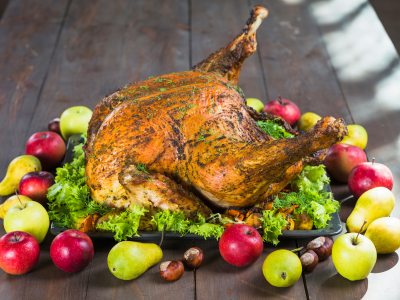
Hormel Foods will sell its whole‑bird turkey business to Life‑Science Innovations, and the company announced this strategic shift in February 2026. The transaction includes the Melrose whole‑bird production facility, the Swanville feed mill, and associated transportation assets. The buyer will also assume grower contracts that support the entire whole‑bird turkey supply chain. This move aligns with Hormel’s push toward value-added protein products, and it reduces exposure to volatile commodity markets. Because this shift marks a pivotal change, many analysts describe it as an important Hormel’s turkey business divestiture event.
Hormel leadership emphasized that the JENNIE‑O brand will stay with Hormel, and the broader range of value-added turkey products remains unaffected. This detail matters greatly because JENNIE‑O drives significant profit through deli meats, ground turkey, and branded retail items. Furthermore, the company aims to maintain product continuity, and LSI will co-manufacture whole‑bird turkeys through fiscal 2026. Therefore, customers should not experience disruptions during the transition caused by Hormel’s turkey business divestiture.
Hormel’s interim CEO, Jeff Ettinger, stated that the decision supports sustainable growth by shifting resources toward predictable categories. He noted that volatile poultry markets often strain earnings, and whole‑bird segments face seasonal pressure and supply risks. Additionally, avian influenza events add uncertainty, and the company prefers to focus on products with stable demand. This thinking strengthens the case for Hormel’s turkey business divestiture, which many observers see as a logical restructuring.
Life‑Science Innovations brings decades of turkey‑industry experience, and the company owns modern hatchery and production assets. Consequently, LSI appears well-positioned to manage whole‑bird operations. The firm also maintains long-standing partnerships with Minnesota turkey growers, and these relationships reinforce supply stability. Moreover, LSI leaders describe the acquisition as a continuation of their 75-year history with Jennie‑O. Because of this deep collaboration, LSI expects a smooth handoff under Hormel’s turkey business divestiture framework.
Hormel executives say the sale should have minimal impact on fiscal 2026 results, and additional details will arrive during upcoming earnings calls. Even so, the company anticipates improved portfolio focus after the transition. Because Hormel concentrates more on branded and processed turkey items, streamlined operations may enhance efficiency. Furthermore, analysts believe that the company’s renewed focus on value-added protein will support long-term performance. These trends add further context to the broader significance of Hormel’s turkey business divestiture.
The sale is expected to close by the end of Hormel’s second fiscal quarter in 2026, pending typical regulatory approvals. During this period, both companies will coordinate transition planning, and they intend to protect employees, suppliers, and customers throughout the process. Because supply chain continuity remains essential, Hormel and LSI agreed to maintain turkey availability during the peak holiday season. Moreover, the companies will cooperate to safeguard brand consistency while operational control shifts under Hormel’s turkey business divestiture.
Industry analysts note that the divestiture mirrors a broader trend across major food companies. Many firms are shedding commodity-dependent assets, and they are redirecting investment toward branded, resilient categories. This strategy supports margin improvement, and it also creates opportunities for product innovation. Because Hormel follows this pattern, the sale reflects a clear long-term vision rather than a short-term adjustment. With Hormel’s turkey business divestiture, the company positions itself for a more stable future.
LSI will take over operations at the Minnesota facilities, and the company expects to leverage its modern production capabilities. Additionally, LSI’s experience in the poultry sector may help optimize whole‑bird processing. The organization also plans to invest further in the segment, and these investments could strengthen regional grower networks. Because these actions support supply resilience, LSI appears committed to sustaining the legacy it inherits through Hormel’s turkey business divestiture.
Overall, the sale of Hormel’s whole‑bird turkey business marks a significant transition for both companies. Hormel will focus more intensely on branded protein categories, and LSI will broaden its poultry footprint. The transaction underscores shifting industry priorities, and it highlights how companies adapt to evolving market realities. Because Hormel’s turkey business divestiture reflects these dynamics, the event carries weight well beyond the turkey sector itself.