Which Smart Home Trends Should You Watch Now?
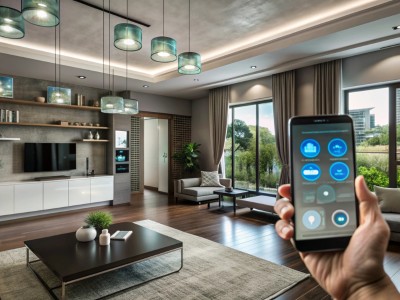
In the modern era of connected living, the Smart Home has moved beyond the realm of clever gadgets and into the heart of high-performance lifestyle management. For industry leaders and discerning residents, a connected residence is a sophisticated ecosystem, a blend of physical hardware, mobile interfaces, and cloud intelligence that must operate as a single, harmonious unit. However, the true success of this transformation rests on three non-negotiable pillars: security, usability, and deep-seated trust.
As we progress through the current landscape, the global industry for smart home technologies has matured. High-level professionals are no longer looking for novelty items that merely change the color of a bulb. Instead, they are seeking reliable, long-term solutions that enhance their living spaces while protecting their families. To achieve a truly scalable environment, adoption must follow a structured path, aligning with recognized cybersecurity frameworks to offer convenience without introducing unseen risks.
Why Security Now Defines the Smart Home Journey
Consumers naturally prioritize convenience, but they also have a deep need for privacy and safety. An Internet of Things (IoT) product is not just the physical device on the wall; it includes the smartphone app used to control it and the backend cloud servers that store its data. For a Smart Home to be truly smart, every component of this chain must meet clear security outcomes.
Minimum security outcomes are now being defined to help buyers ask the right questions before they bring a new device into their network. These standards encourage vendors to ship products with safer defaults. When a device is secure right out of the box, it becomes significantly easier to deploy and support across a busy household. This transition from scattered, impulse purchases to a dependable plan is what defines a mature connected home.
What Good Looks Like for a Smart Home Product
When evaluating the market, it is essential to focus on functional outcomes rather than just a list of flashy features. This outcome-based approach is ideal for the expanding Smart Home industry, where new use cases emerge every month. Five specific capabilities carry the most weight during selection and rollout.
Core Capabilities for Secure Devices:
- Unique Identification: Every component in the system should be uniquely identifiable. This allows an owner to track and manage dozens of different devices over time without confusion.
- Secure Configuration and Reset: Settings must be adjustable through a secure interface. Most importantly, a user should be able to restore a device to its secure factory defaults, which prevents vendor lock-in and aids in recovery if a system is compromised.
- Data Protection: Information at rest and in transit must be encrypted. This is especially critical for sensitive hardware like cameras, smart locks, and central hubs.
- Access Control: Interfaces must restrict access to authorized users only. Proper controls ensure that children, guests, or unauthorized third parties cannot interfere with critical home functions.
- Secure Updates: Software must be updated through a trusted, verified process. Reliable updates keep the system resilient as new digital threats evolve.
From Device to Product: A Smarter Way to Plan Your Stack
A Smart Home is an integrated ecosystem. Too often, buyers focus on the aesthetics of a gadget while ignoring the security of the app or the cloud service behind it. A smarter way to plan is to evaluate the whole product. This mindset prevents blind spots and supports a multi-year ownership model.
When you standardize your household on a specific security profile, expanding your tech stack becomes much easier. You can mix sensors from one brand with speakers from another, provided they all adhere to the same underlying guardrails. This profile-based approach is the most effective way to manage growth without creating a fragmented, vulnerable network.
Practical Buyer Checklist for Smart Home Rollouts
If you are planning a deployment this year, use this checklist to compress your risk and accelerate the benefits of your investment.
- Inventory Management: Confirm the vendor supports unique IDs. This becomes vital as your device count grows from five to fifty.
- Default Hardening: Require secure setup and reset capabilities. Ask how the vendor enforces secure defaults during the initial unboxing phase.
- End-to-End Encryption: Verify that data protection extends across the app and the cloud. Protect the video streams and activity logs that your devices create.
- Role-Aware Access: Check if the system supports different user levels. A shared home needs settings that allow guests to turn on lights without being able to change the security codes.
- Lifecycle Support: Insist on a trusted update path. A device that cannot be updated is a liability that will eventually need to be replaced.
If your plan includes a high-performance router, ensure it acts as a strong gateway. A secure router reduces the risk for every single device on the network, acting as the first line of defense for the entire household.
Lightweight Governance for the Modern Household
Enterprises use formal governance to manage their tech, and modern homes now need a lightweight version of that same logic. You should document what gets connected to your network, where that data is stored, and who has the authority to change system-level settings.
For manufacturers, aligning with these consumer needs is a major competitive advantage. Devices that follow recognized security capabilities fit better into a managed environment and are more likely to earn trust labels that consumers look for on store shelves. When a product is designed to reduce the customer’s effort in staying secure, it naturally wins more market share.
Building the Case for Investment
Whether you are a developer building a smart apartment complex or a homeowner upgrading your space, frame the investment around measurable trust. For example, a secure reset feature shortens the time it takes to recover after a technical glitch. Unique identification makes it easy to track assets across a large property.
Each of these outcomes limits downtime and builds user confidence. In a market where many products are seen as toys, those that can prove their reliability and security will drive repeat purchases. Using standardized profiles allows you to rate different vendors fairly, keeping your portfolio honest about risks and support terms.
Advanced Directions: The Future of Connected Living
The Smart Home industry is moving toward a future where security baselines and consumer labels are perfectly aligned. We expect to see trust marks on packaging that signal a product’s security level at a glance, making it easier for buyers to choose the most resilient options.
Providers that meet these high standards will win both shelf space and customer loyalty. For the buyer, the future is clear: safer defaults, better information, and a Smart Home that truly works to protect and enhance the quality of daily life.