Sleep Apnea: Causes, Symptoms, Diagnosis & Treatment
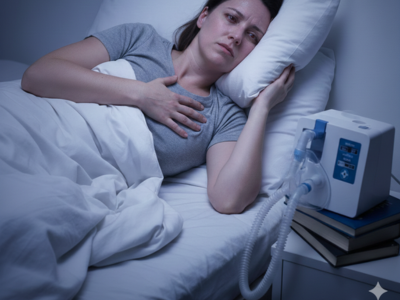
Sleep apnea is a serious health condition that disrupts breathing repeatedly during sleep, often causing severe fatigue and significant health complications if left untreated. This sleep-related breathing disorder affects millions worldwide, cutting into restorative sleep and leading to daytime symptoms that can impact daily life. As we explore sleep apnea’s causes, symptoms, diagnosis, and treatment, you will gain a clear picture of its complexity and the options available for effective management.
Sleep apnea is primarily a breathing disorder that occurs during sleep when your airway repeatedly narrows or collapses. These interruptions in breathing, called apneas, can last for seconds and occur dozens of times per hour, leading to fragmented sleep and significant drops in blood oxygen levels. This disorder affects not only your sleep quality but also your overall health, making early recognition and treatment crucial.
What is Sleep Apnea?
Simply put, sleep apnea is a condition in which breathing repeatedly stops during sleep. The most common type, obstructive sleep apnea (OSA), happens when the muscles at the back of the throat relax too much and block the airway. As a result, airflow decreases or stops, forcing the brain to wake you briefly to resume normal breathing.
Another type, central sleep apnea (CSA), occurs when the brain fails to send proper signals to the muscles that control breathing, meaning there is no effort to breathe during those pauses. While CSA is less common, it stems from neurological causes rather than physical blockage.
Both types of apnea have profound effects on sleep quality and can lead to daytime fatigue, mood changes, and cognitive difficulties because the brain and body do not receive adequate oxygen regularly through the night.
Recognizing the Symptoms
Understanding sleep apnea symptoms can help you identify the problem early. Nighttime symptoms often include loud and chronic snoring, especially if interrupted by noticeable pauses in breathing. Additionally, many people experience gasping or choking during sleep, which signals an effort to restart breathing after an apnea event.
People with sleep apnea frequently wake up with a dry mouth or sore throat due to disrupted airflow throughout the night. Moreover, frequent awakenings prevent deep and restorative sleep, which the body needs to recover properly.
During the day, individuals with sleep disorders often experience excessive sleepiness and overwhelming fatigue despite spending adequate hours in bed. Consequently, they may suffer from morning headaches caused by low oxygen levels during repeated breathing interruptions.
Furthermore, difficulty concentrating, forgetfulness, and reduced productivity often occur because apnea disrupts cognitive function and memory processing. Mood changes such as irritability, anxiety, and depression also commonly develop due to chronic sleep deprivation.
It is important to note that while snoring alone does not confirm apnea, persistent fatigue combined with choking sounds warrants medical evaluation.
What Causes Sleep Apnea?
Sleep apnea develops due to different physiological mechanisms depending on its type. In obstructive apnea, throat muscles relax excessively during sleep, causing airway narrowing and repeated blockages. As a result, oxygen levels drop, and the brain triggers brief awakenings to restore breathing.
Several risk factors significantly increase the likelihood of developing a sleep disorder. For instance, excess body weight adds soft tissue around the airway, which increases the chance of collapse. Similarly, aging reduces muscle tone, making airway obstruction more common over time.
Men generally face a higher risk of sleep apnea; however, women after menopause also show increased vulnerability. In addition, family history may influence airway structure and contribute to inherited susceptibility.
Smoking and chronic nasal congestion further aggravate airway inflammation and obstruction, thereby worsening sleep apnea symptoms. On the other hand, central apnea arises when the brain fails to send consistent breathing signals during sleep. This type often links to neurological disorders, heart conditions, or certain medications.
Therefore, understanding the underlying cause helps healthcare providers determine the most appropriate and effective treatment strategy.
How Is Sleep Apnea Diagnosed?
Diagnosing sleep apnea begins with a detailed discussion of symptoms and medical history. Because many individuals remain unaware of nighttime breathing interruptions, input from a partner often provides valuable insights.
Rising obesity levels, aging demographics, and the growing burden of chronic health conditions have contributed to a worldwide increase in obstructive sleep apnea cases, thereby boosting demand for advanced sleep diagnostic systems. At the same time, technological progress has made home-based sleep testing a dependable alternative to traditional in-laboratory studies. Because these tests offer greater convenience, reduced costs, and higher patient comfort, their adoption continues to expand rapidly.
Moreover, healthcare providers are increasingly integrating AI-powered algorithms to automate sleep parameter scoring, detect respiratory events, and identify complex patterns. As a result, clinicians can reduce their workload while simultaneously improving diagnostic accuracy and overall efficiency.
Doctors commonly recommend a sleep study, also known as polysomnography, to confirm the diagnosis. During this overnight test, specialists monitor breathing patterns, oxygen levels, heart rhythm, and brain activity. Consequently, they can assess the severity and type of apnea accurately.
Effective Treatment Options
Fortunately, sleep apnea responds well to various treatment approaches tailored to individual severity and needs.
Lifestyle Modifications
Lifestyle changes often serve as the first line of management for mild apnea. For example, losing excess weight reduces pressure on the airway and improves breathing during sleep. Additionally, avoiding alcohol and sedatives before bedtime prevents excessive muscle relaxation.
Sleeping on your side rather than your back can also minimize airway collapse. Together, these simple adjustments often reduce the frequency and intensity of sleep apnea episodes.
Positive Airway Pressure Therapy
For moderate to severe apnea, continuous positive airway pressure therapy remains the gold standard treatment. A CPAP machine delivers steady air pressure through a mask, thereby keeping the airway open throughout the night.
Alternatively, automatic or bilevel pressure devices adjust airflow based on individual breathing patterns. Consequently, these advanced options enhance comfort and improve adherence to treatment.
Oral Appliances and Surgery
Custom-made oral appliances reposition the jaw slightly forward to maintain airway patency during sleep. These devices work particularly well for mild to moderate obstructive sleep apnea.
In severe or resistant cases, doctors may recommend surgical intervention to remove excess tissue or correct structural abnormalities. However, surgery is typically considered only after conservative measures fail.
Conclusion
Sleep apnea is not merely a snoring problem but a complex medical condition requiring attention and care. By understanding its causes, recognizing warning signs, and exploring available treatments, individuals can reclaim restful sleep and protect their overall well-being.