Why Toy Kitchen Aesthetics Are Winning Big on Instagram
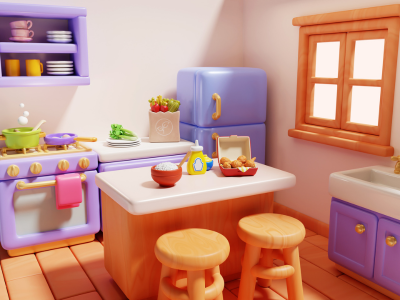
If you think toy kitchens are just playtime props, think again. They now double as décor, status symbols, and content tools. Parents and brands style them like show homes, then stage them for the grid. Naturally, Instagram stands at the center of this transformation. So do TikTok and Pinterest. Together, these platforms have rewired consumer taste, product design, and retail strategy. As a result, toy kitchen aesthetics carry new cultural weight.
This blog unpacks that shift with a global lens. We will explore pastel palettes, Scandinavian minimalism, and influencer-inspired layouts. We will also discuss design equity, sustainability, and the next wave of smart play. Expect a semi-formal tone with a hint of sparkle. Expect actionable ideas as well.
Why Toy Kitchens Went from Cute to Curated
Social media changed how we view our homes. It also changed how we display childhood. Parents now document play in high-resolution snippets. They craft vignettes that match home décor and personal brands. Naturally, toy kitchen aesthetics followed suit. Previously, play kitchens focused on bright colors and bold plastic. Now they blend into living rooms with taste and restraint. This shift rewards sets that look good on camera. It also boosts designs that reflect modern interior trends. Therefore, brands compete on style, finish, and photogenic harmony.
Moreover, toy kitchens now serve multi-use roles. They entertain, teach, and decorate. They also anchor content for parenting accounts and lifestyle blogs. Because of that, toy kitchen aesthetics shape purchase decisions far beyond the toy aisle.
The Pastel Palette: Soft, Stylish, and Highly Shareable
Pastels dominate Instagram grids for a reason. They soothe, flatter, and photograph well. They also pair easily with white walls and warm wood. Consequently, brands release blush, sage, and powder-blue sets as standard. These palettes keep spaces calm while pleasing adult eyes.
Finally, pastels support modular styling. Parents can swap seasonal accessories without repainting. They can also add themed accents for birthdays and holidays. As a result, the same set stays fresh online.
Scandinavian Minimalism: Less Clutter, More Calm
Scandinavian design emphasizes clean lines and functional forms. It also favors light woods and matte finishes. This approach translates beautifully to tiny kitchens. It keeps proportions tidy and surfaces simple. It also invites real-world mimicry through restrained detail. Minimalist sets convey longevity and craft. They look timeless in photos and videos. They encourage open-ended play with fewer distractions. Therefore, toy kitchen aesthetics now lean toward Scandinavian cues. Importantly, minimalism does not equal boring. It provides a neutral canvas for imaginative stories. It also lets kids focus on role-play rather than flashing lights. Parents appreciate a quieter visual footprint as well.
Influencer-Inspired Layouts: Small Spaces, Big Ideas
Instagram creators solve space problems with charm. They hack tiny corners into micro-studios for kids, add peel-and-stick tiles, mini shelves, and framed menus. Moreover, they mount toy spices in neat rows, and decant felt pasta into labeled jars. Naturally, these ideas spread fast. Brands noticed. They now promote modular components and vertical storage, highlight backboards for hooks and art. They also spotlight under-sink baskets and slide-out bins. With these features, toy kitchen aesthetics become flexible and photogenic. Influencers also champion styling routines. They color-code toy food, rotate props by theme, and even run “kitchen resets” on Reels. As a result, the layout becomes part of the daily story.
The Global View: Local Cues, Global Feeds
While trends spread globally, they adapt locally. In Japan, compact layouts matter most. For Scandinavia, natural materials lead. Meanwhile, in India, bold accessories add festive identity. In the Middle East, luxe metallics and marble patterns appear.
Moreover, diverse representation matters. Children benefit when toys reflect their heritage. Therefore, global feeds should showcase varied food items and cooking tools. Designers should include global pantry sets as well.
Materials and Finishes: From Plastic Shine to Gentle Matte
The camera sees everything. Glossy plastic can glare under bright lights. It also dates the look in photos. So brands experiment with matte finishes and textured laminates. They use ash, beech, and rubberwood veneers. They explore recycled plastics with a soft touch. These changes elevate toy kitchen aesthetics immediately. Hardware matters too. Brushed brass knobs or black pulls add modern polish. Faux stone backsplashes photograph beautifully. So do rattan baskets and linen oven mitts. Small details raise the perceived value of the set.
Finishes also shape durability. Matte surfaces hide scuffs better. Removable panels allow easy refreshes. Water-based paints support safer touchpoints. Together, these choices deliver beauty with practicality.
Gender-Neutral Design: Style Without Stereotypes
Aesthetic progress often tracks cultural progress. Parents now avoid rigid color coding. They want inclusive play prompts without clichés. Thus, toy kitchens drop hot pink dominance for gender-neutral palettes. They also feature diverse cuisines and tools. In practice, toy kitchen aesthetics now champion greens, sands, and oatmeal tones. They also embrace monochrome schemes and wood grain. Additionally, the packaging features boys and girls cooking together. This signals a broader narrative about shared domestic skills.
Consequently, retailers expand merchandising logic. They place kitchens near STEM toys and art kits. They break old aisles that split toys by gender. Better merchandising boosts discovery and comfort.
Sustainability Signals: Eco Is the New Aesthetic
Sustainability no longer hides in the fine print. Parents want greener materials and transparent sourcing. They also want durability and repairable parts. Therefore, sustainable choices influence toy kitchen aesthetics directly. Wooden sets convey craft and longevity on camera—recycled plastics project modern responsibility. Low-VOC finishes suggest health and safety. Compostable packaging looks chic and progressive—even better, brands design spare parts programs to reduce waste.
Of course, sustainability also drives secondhand sharing. Preloved sets gain new life with minor paint refreshes. They also foster creative upcycling content online. This cycle extends the visual story of the product.
The Content Feedback Loop: How Photos Shape Products
Social posts generate instant feedback. Comments applaud color choices, knobs, and storage. DMs request new accessories and compatible parts. Reviews note sticky doors and wobbly shelves. Therefore, design teams watch content closely. Rapid iterations follow. Brands tweak handle placement and shelf depth. They release limited colors based on viral demand. They also partner with creators for early mocks. In turn, toy kitchen aesthetics evolve with each drop.
This loop rewards agility. It also narrows the gap between inspiration and inventory. Because of that, launches feel timely and tailored.
Retailer Playbooks: Merchandising for the Feed
Retailers now stage sets like décor stores. They add mini plants, neutral rugs, and soft lighting. They also place accessories in clear bins for easy bundling. As a result, shoppers see an Instagram-ready outcome. Online, product pages include styled galleries and short videos. They feature 360-degree spins and scale references. They also add “shop the look” carousels for quick builds. Consequently, toy kitchen aesthetics translate into higher conversion.
Additionally, retailers harness user content. They embed tagged photos with permission. They host weekly styling challenges and giveaways. These tactics drive community and repeat visits.
Pricing and Value: What Parents Actually Pay For
Aesthetic upgrades raise price tags. Yet they also deliver lasting usage. Sets that double as décor stay out longer. They resist the garage purge during spring cleaning. They also hold value on resale platforms. Parents pay for materials and modularity. They pay for hardware that feels sturdy. They also pay for a palette that will age well. Because of that, toy kitchen aesthetics become part of a value story.
Nonetheless, cost needs to be balance. Brands should offer entry lines with smart styling. They should also release accessory packs for gradual upgrades. This approach broadens access without diluting design. The Kitchen Toys Market is globally growing uphill, and social media is here for it.
The Next Wave: Smart, Connected, and Still Beautiful
Tech will creep into this category. Subtle sensors might mimic boiling water sounds. AR overlays could add “steam” to storytime. Voice prompts may guide pretend recipes. However, tech should not spoil the minimal charm. Designers should hide electronics within clean lines. They should maintain tactile finishes and calm colors. They should prioritize battery-free fun whenever possible. In this way, toy kitchen aesthetics will remain elegant and warm.
Collaborations will also rise. Expect limited palettes from designers and creators, seasonal drops with themed ingredients, and accessories that nod to global street food.
Conclusion: A Small Kitchen with Big Cultural Reach
Toy kitchens no longer sit in the shadows of playrooms. They live in feeds, in living rooms, and in hearts, further revealing our taste and our values. They also help children rehearse real life with charm. Instagram accelerated that journey. So did TikTok and Pinterest. As a result, the category looks more refined and inclusive. It also looks more global than ever. Consequently, toy kitchen aesthetics set a new bar for the entire toy industry.
Ultimately, beauty and function can be friends. A calm palette can invite bold imagination. A minimal layout can spark richer stories. With care and creativity, your tiny kitchen can inspire daily joy. It can anchor family memories, and it can shine online.
And yes, it can make your feed look delicious too.