How the Hooded Towel Went from Bath Cute to Beach Cool
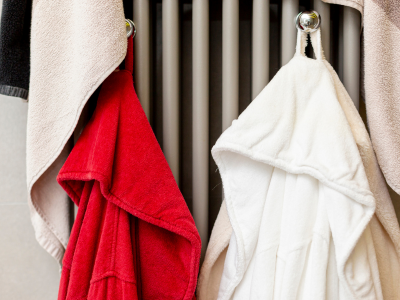
Some heroes wear capes, yet others wear cotton. Meanwhile, the journey from nursery shelf to beach bag tells a bigger story for the Hooded towel. In fact, it reflects changing lifestyles, smarter textiles, and design that favors ease. As a result, as routines blur across home, travel, and wellness, a small upgrade quietly won the day. Today, we trace how a simple idea became a global staple, one shore break at a time.
The Origin: Warm Heads, Happy Parents
New parents embraced the format for practical reasons. Babies lose heat quickly after a bath. A cozy hood keeps little heads warm and calm. Drying becomes faster and safer during those slippery minutes. Early designs added gentle terry loops and charming animal ears. The effect was useful, adorable, and very shareable. As gifts multiplied, so did demand. Registries across continents listed the same must-haves. Families loved the simple comfort and easy wrap. The idea spread beyond baby aisles, quite naturally.
The Shift: From Nursery Nook to Pool Deck
However, function rarely sits still. Parents began to grab the same piece for pool days. They used it for quick changes and cozy post-swim moments. Surfers noticed the modesty and warmth. Campers liked the wind protection and packable shape. Spas saw discreet coverage between treatments. Therefore, adoption reached new groups without heavy marketing. Style evolved with the audience. Designers traded pastel zoo prints for clean blocks and coastal palettes. Cuts grew roomier and more refined. Pockets appeared for sunscreen and cards. Snaps and side zips made changing easier. Consequently, the format looked less “nursery” and more “lifestyle.”
Fabric Innovations: Where Comfort Meets Engineering
Materials drove the leap more than anything. Classic cotton terry stayed strong for plush comfort. Bamboo blends added breathable softness and gentle drape. Microfiber brought fast drying and easy packing for travel. Each textile solved a different need with clear benefits. Moreover, finishing methods improved performance. Combed loops increased softness without bulk. Higher GSM raised absorbency for home rituals. Sand‑shedding weaves reduced beach cleanup time, and antimicrobial treatments controlled odor during frequent use. Thus, the same silhouette adapted to many lives.
Why It Works at the Beach
Beach culture loves hybrid gear, so people look for quick warmth, privacy, and simple transitions. Consequently, a single layer can handle a chilly breeze and a sprint to snacks. Meanwhile, families juggle towels, toys, and hydration, so they need one item that behaves like three. Furthermore, travel habits strengthened the case. Because of this, short escapes and carry‑on rules rewarded packability. At the same time, minimalist kits valued pieces that work hard. Ultimately, a Hooded towel checks practical boxes without drama. It dries fast, wears easily, and shrugs off sand with a shake.
The Adult Pivot: Minimal, Sporty, and Smart
Adults adopted the style for ease, not cuteness. Swim teams liked quick changes by the pool. Triathletes needed warmth after cold training sets. Paddlers and divers valued discretion during gear swaps. Spa guests wanted coverage between heat and hydro sessions. Accordingly, design language matured. Embroidery replaced appliqués. Monograms added subtle personalization. Lengths increased for windier beaches. Materials balanced absorbency with quick dry times. As a result, the category lost the “only for kids” label for good.
The Global Lens: Styles Shaped by Place
Culture-informed design in delightful ways, as Japanese minimalism favored clean lines and muted tones. Meanwhile, Moroccan aesthetics added geometric motifs and strong contrasts. At the same time, Brazilian beach culture brought playful stripes and sunny shades. Similarly, Nordic influence preferred neutral palettes and functional cuts.
Moreover, retail strategies are adapted locally. Coastal boutiques curated marine prints and nautical themes, while mountain resorts chose earthy tones and heavier weaves. In contrast, urban stores pushed sleek silhouettes with hidden pockets. Additionally, regional embroidery and monograms told personal stories. Globally, the Hooded towel market is growing at a fast pace, too.
Sustainability: Beyond the Buzzwords
Consumers now ask tougher questions about textiles. Where did the fiber grow? How were dyes processed? How long will it last under real use? Consequently, brands responded with more thoughtful choices. Organic cotton reduced pesticide exposure while retaining plush comfort. Bamboo blends delivered breathability and a soft hand feel. Recycled polyester improved drying and durability for active use. However, longevity may beat any single label. A durable Hooded towel that replaces several items can reduce total impact. Therefore, stitching quality, loop density, and hardware matter as much as fiber claims. Packaging changes also help. Recycled mailers and minimal tags cut waste. Natural dyes and cleaner processes reduce water loads. Moreover, transparent care guidance extends product life. Thoughtful maintenance supports both budgets and the planet.
Social Commerce: Cute, Cool, and Clickable
Shareable moments powered the boom. Kids with floppy ears charmed every feed. Surfers changing under ponchos looked effortlessly cool. Matching family sets triggered instant cart joy. Micro‑influencers turned cozy mornings and sunset beach walks into trends.
Care That Pays Back
Good care protects softness, color, and performance. Wash similar tones together to prevent transfer. Use mild detergent and avoid softeners, which block loops, and air dry when possible for longer fabric life. If you tumble, use low heat and remove promptly. Gently brush any snags back into the weave.
Everyday Wins: Micro‑Moments That Add Up
The magic lies in small daily scenes. School swim lessons become warmer and calmer. Backyard sprinkler runs wrap up without a chase. Hostel bathrooms feel less awkward during trips. Winter saunas in Nordic cities become cozier with quick coverage. Cold‑plunge sessions end with warmth and modesty. It helps at home during power cuts or chilly mornings. It even assists with pet baths and muddy paw cleanups. Because it handles so many tasks, you own fewer single-purpose items. Closets breathe easier. Suitcases pack lighter. Mornings move faster.
Building a Capsule Around One Piece
Start with a midweight neutral. Add a mesh pouch for airflow. Include reef-safe sunscreen, a compact water bottle, and slides. With that, any shore can become a mini retreat. Moreover, you can pivot from beach to spa without re‑packing. For families, build a shared palette. Matching tones look chic in photos and simplify laundry. Label each with initials or icons. Additionally, consider one print drop per season to refresh without waste. A versatile Hooded towel anchors the whole plan.
Innovation Ahead: Lighter, Smarter, and Kinder
Expect performance without bulk. Engineers are improving sand-shedding loops and quick-dry fibers. New weaves trap warmth yet compress well. Antimicrobial finishes are getting gentler and longer-lasting. Recycled and bio-based yarns are scaling across price points. Some concepts flirt with tech in helpful ways. UV indicators could guide reapplication times. Moisture cues might assist drying and storage choices. Visual signals help parents pace routines with less guesswork. Importantly, design will keep the experience simple and calm.
Retail Evolution: Where You Find It Matters
Placement changed perception. Once confined to baby aisles, the format now appears in travel sections. It sits near swim gear, resort wear, and wellness corners. Boutique hotels stock it in spa lockers and poolside shops. Surf schools use it as uniform gear after lessons.
Additionally, rental and subscription models are testing the waters. Travelers can borrow on-site and buy later if they love it. Pop-ups on coastal promenades showcase local motifs. Meanwhile, e-commerce bundles pair it with sunscreens and dry bags. Access points multiplied, so adoption accelerated.
The Global Playbook: Climate and Customs
Climate shapes features. Windy coasts prefer longer hems and thicker loops. Tropical beaches favor lightweight drapes and fast dry times. Cold lakes demand warmth and head-hugging hoods. Urban pools need compact shapes for lockers and backpacks. Customs matter too. Modesty norms influence coverage and closures. Family traditions inspire color and embroidery. Regional graphics celebrate local fauna and landmarks. A good Hooded towel respects place while staying universally practical.
The Verdict: A Small Upgrade with Big Payoff
Great lifestyle gear removes friction and adds calm. This piece does both with cheerful ease. It warms toddlers after bath time, shields athletes from gusts after icy swims. Further, it softens spa transitions and brightens travel routines, packs flat, dries fast, and most importantly, it lasts. Therefore, the rise from baby accessory to beach icon feels inevitable. Our lives favor adaptable tools that meet many moments. Style matters, yet comfort matters more. A reliable Hooded towel delivers both, without fussy care or complex features.
So plan your next bath, pool dip, or dawn swim. Pack smarter and lighter. Wrap up, warm up, and wander freely. You may wonder how you lived without it.