Chronic Pancreatitis: Causes, Symptoms, and Life Impact
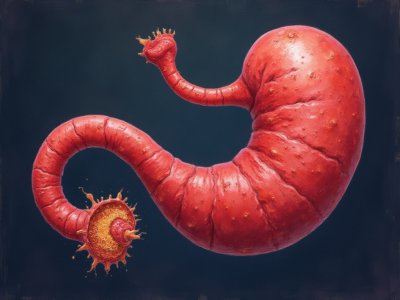
Chronic pancreatitis (CP)is a long-term inflammatory condition that gradually damages the pancreas and disrupts digestion and blood sugar control. Unlike acute inflammation, chronic pancreatitis progresses slowly and causes permanent structural changes that reduce pancreatic efficiency over time. As a result, patients often face ongoing symptoms that significantly affect physical health and emotional well-being. Understanding chronic pancreatitis helps patients recognize symptoms early and seek appropriate medical guidance.
Understanding the Role of the Pancreas
The pancreas plays a vital role in digestion and metabolism by producing enzymes and hormones that regulate blood sugar levels. When chronic pancreatitis develops, inflammation repeatedly injures pancreatic tissue and replaces healthy cells with scar tissue. Consequently, the pancreas loses its ability to produce sufficient digestive enzymes and insulin. Over time, this loss leads to digestive complications, nutritional deficiencies, and metabolic disorders.
Common Causes of Chronic Pancreatitis
Several factors contribute to the development of chronic pancreatitis, although causes vary among individuals and populations. Long-term alcohol consumption remains one of the most common causes worldwide. Additionally, smoking significantly increases inflammation and accelerates pancreatic damage when combined with alcohol use. Genetic mutations, autoimmune disorders, and blocked pancreatic ducts also contribute to chronic pancreatitis development. In some cases, doctors cannot identify a clear cause, which they classify as idiopathic CP.
Symptoms That Affect Daily Life
It causes symptoms that often worsen gradually and interfere with everyday activities and routines. Persistent upper abdominal pain remains the most frequent complaint among patients with chronic pancreatitis. This pain often radiates to the back and intensifies after meals, particularly those high in fat. Consequently, many individuals experience anxiety around eating and social gatherings involving food.
Digestive Complications and Nutrient Loss
As chronic pancreatitis progresses, enzyme production decreases, and digestion becomes increasingly inefficient. Therefore, patients often experience bloating, diarrhea, and fatty stools with an unpleasant odor. These symptoms signal malabsorption, where the body fails to absorb essential nutrients properly. Over time, malabsorption leads to unintended weight loss, fatigue, and vitamin deficiencies that weaken overall health and immunity.
Chronic Pancreatitis and Diabetes Risk
CP significantly heightens the risk of diabetes, with an estimated 30–40% of adult patients developing pancreatogenic, or Type 3c, diabetes. This condition is often misclassified as Type 2 due to overlapping clinical features. Key risk factors, including age, alcohol consumption, smoking, obesity, and progressive pancreatic damage, further contribute to disease onset.
Unlike Type 2 diabetes, CP-related diabetes is characterized by accelerated destruction of both insulin-producing beta‑cells and glucagon-producing alpha‑cells, resulting in earlier and more frequent dependence on insulin therapy. Managing diabetes in the context of chronic pancreatitis adds substantial clinical complexity and increases the emotional and psychological burden on patients, highlighting the need for personalized therapeutic strategies and integrated care frameworks.
Importantly, the latest report from The Insight Partners underscores this relationship: the rising prevalence of chronic pancreatitis is directly driving the global diabetes drug therapy market. As more CP patients develop Type 3c diabetes and require specialized intervention, the market for targeted diabetes treatments is expected to expand steadily.
Emotional and Psychological Impact
Living with CP affects mental health as much as physical well-being over extended periods. Chronic pain, dietary restrictions, and frequent medical visits contribute to stress, anxiety, and depression. Moreover, patients may feel isolated because others struggle to understand invisible symptoms and constant discomfort. As a result, emotional support becomes an essential component of comprehensive chronic pancreatitis care.
Diagnosis and Medical Evaluation
Doctors diagnose CP using a combination of imaging studies, blood tests, and symptom evaluation. CT scans, MRI imaging, and endoscopic ultrasound help identify pancreatic scarring and structural changes. Although blood tests may appear normal in advanced cases, imaging confirms disease progression. Early diagnosis allows doctors to slow the damage and manage symptoms more effectively.
Lifestyle Changes for Disease Management
Lifestyle modifications form the foundation of chronic pancreatitis management and long-term symptom control. Complete alcohol abstinence significantly reduces further pancreatic injury and pain episodes. Similarly, quitting smoking improves outcomes and decreases complication risks. Patients who adopt healthier habits often experience fewer flare-ups and better responses to medical treatments.
Dietary Adjustments and Enzyme Therapy
Dietary management plays a crucial role in reducing digestive symptoms caused by chronic pancreatitis. Doctors often recommend low-fat diets and smaller, more frequent meals to ease digestive strain. Additionally, pancreatic enzyme replacement therapy helps the body digest food more effectively. With proper enzyme dosing, patients absorb nutrients better and reduce diarrhea and abdominal discomfort.
Pain Management Strategies
Pain control remains a major challenge for individuals living with chronic pancreatitis. Doctors may prescribe medications, nerve blocks, or advanced pain therapies based on symptom severity. In some cases, surgical or endoscopic procedures relieve blocked ducts and reduce inflammation. A personalized pain management plan improves daily function and quality of life significantly.
Importance of Emotional Support and Counseling
Emotional well-being deserves equal attention when managing chronic pancreatitis effectively. Counseling and support groups provide safe spaces for patients to share experiences and coping strategies. These resources reduce feelings of isolation and empower individuals to regain confidence in daily activities. Strong emotional support improves resilience and long-term disease management outcomes.
Long-Term Outlook and Quality of Life
Although chronic pancreatitis remains a lifelong condition, many patients achieve stability with proper care and commitment. Early intervention, consistent treatment, and lifestyle discipline slow disease progression and prevent complications. With comprehensive medical support, individuals can maintain independence and pursue fulfilling lives despite chronic pancreatitis challenges.
Conclusion
Chronic pancreatitis is a complex condition that affects digestion, metabolism, and emotional well-being over time. Persistent inflammation damages the pancreas and creates long-term complications requiring careful management. However, with lifestyle changes, medical treatment, and emotional support, patients can improve comfort and daily functioning. Awareness and proactive care remain key to living well with chronic pancreatitis.