What Should Patients Know About Telemedicine in 2026?
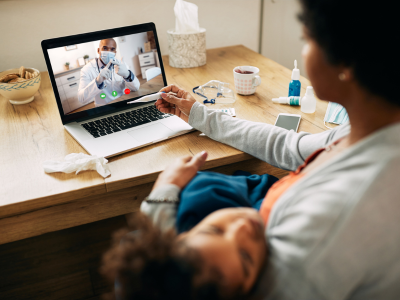
For years, telemedicine was a temporary fix, a bridge built in haste during a global crisis. But as we enter 2026, the landscape has shifted. The “emergency” waivers are expiring, federal legislation is being rewritten, and patients now expect virtual care to be as seamless and secure as an in-person visit. The stakes have never been higher. In 2026, providers face a critical deadline: January 30th, the date when many Medicare flexibilities are set to expire. Will your practice thrive in this new era of “Federated Health,” or will you be caught on the wrong side of the looming telemedicine cliff? This guide breaks down the official 2026 playbook from the CMS, HHS, and WHO to ensure your virtual care is safe, compliant, and future-proof.
What is Telemedicine and Why It Matters today
Telemedicine is the delivery of clinical healthcare services using secure audio and video technology, allowing patients and clinicians to connect regardless of distance. While the terms “telehealth” and “telemedicine” are often used interchangeably, telemedicine specifically refers to remote clinical services.
In 2026, telemedicine is a cornerstone of health equity. It allows providers to reach rural, homebound, and behavioral health populations with significantly lower travel and wait times. According to Telehealth.HHS.gov, these services are no longer just “nice-to-have”; they are essential infrastructure for managing chronic conditions and mental health at scale.
Furthermore, as the industry matures, Recent research by The Insight Partners shows that the global telemedicine market is projected to reach US$ 431.33 billion by 2034, reflecting a massive shift toward digital-first care models that prioritize patient convenience and long-term cost efficiency.
What Changed for Telemedicine in 2025–2026
The regulatory environment in 2026 is defined by a transition from “temporary emergency” to “permanent policy.”
The January 30, 2026 Deadline
Current legislation has extended many Medicare telehealth flexibilities through January 30, 2026. This includes:
- Home as an Originating Site: Patients can receive non-behavioral services from the comfort of their homes.
- Audio-Only Options: In specific cases where video is unavailable or technically impossible, audio-only encounters remain reimbursable for non-behavioral care.
- FQHCs and RHCs: Federally Qualified Health Centers and Rural Health Clinics can continue to act as “distant sites” for non-behavioral services.
The 2026 Physician Fee Schedule (PFS)
The Centers for Medicare & Medicaid Services (CMS) finalized the CY 2026 Physician Fee Schedule, which increased the originating site facility fee to $31.85. It also added five new services to the permanent Telemedicine Services List, signaling a long-term commitment to virtual care.
Privacy, Security, and HIPAA for Telemedicine
In 2026, “good enough” security is no longer legal. HIPAA (the Health Insurance Portability and Accountability Act) applies to all virtual encounters. Covered entities must use platforms that offer robust safeguards and are willing to sign Business Associate Agreements (BAAs).
Essential Security Safeguards:
- End-to-End Encryption: All data must be protected both in transit and at rest.
- Identity Verification: Clinicians must verify the patient’s identity and location at the start of every session.
- Multi-Factor Authentication (MFA): Access to telehealth portals should require more than just a password.
- Audit Logs: Systems must track who accessed patient records and when.
Accessibility and Equity: Designing for Everyone
A major 2026 focus is ensuring that telemedicine doesn’t leave behind the 1.3 billion people worldwide with disabilities. The WHO and ITU (International Telecommunication Union) have published a global standard (F.780.2) that defines technical requirements for accessible telehealth.
To be compliant and inclusive, your platform must support:
- Screen Readers: For patients with vision impairments.
- Live Captioning: For the deaf and hard of hearing.
- Keyboard Navigation: For those with mobility impairments who cannot use a mouse.
- Simple Interfaces: To reduce cognitive load for patients with developmental disabilities.
The Evidence: Does Telemedicine Actually Work?
Reviews hosted by the NIH (National Institutes of Health) confirm that telemedicine outcomes often match or exceed in-person care for specific use cases:
- Mental Health: Video and phone visits are highly effective for therapy and psychiatry, with high patient satisfaction.
- Chronic Care: Remote monitoring for diabetes and hypertension has shown positive outcomes in maintaining patient stability.
- Triage: Telemedicine serves as an excellent “front door” to determine if a patient needs an urgent in-person exam.
How to Set Up a Compliant Telemedicine Workflow in 90 Days
- Audit Coverage & Billing: Verify your service codes against the 2026 CMS list. Confirm which visits allow audio-only documentation.
- Verify HIPAA Vendors: Ensure your video platform has a signed BAA. If you are using a consumer app, switch to a healthcare-specific version immediately.
- Conduct a Risk Analysis: Per HHS guidance, document your technical safeguards and train staff on “privacy-first” communication.
- Test Accessibility: Evaluate your patient portal against WHO-ITU standards. Can a patient with a screen reader navigate your “Join Meeting” button?
- Secure Your Infrastructure: Use FCC guidance to ensure you have sufficient bandwidth. Rural providers should explore the Connected Care Pilot for 85% funding on broadband costs.
- Review Licensure: Ensure clinicians are licensed in the state where the patient is located, leveraging interstate compacts where available.
Your Top Telemedicine Questions
Q1. Can I still bill for audio-only visits in 2026?
Yes, but primarily for behavioral health or when the patient is unable to use video for non-behavioral services, provided it is documented as clinically appropriate through January 30, 2026.
Q2. What happens after the January 30th deadline?
Unless Congress acts, Medicare may return to pre-pandemic geographic limits, meaning most patients would have to go to a medical facility in a rural area to receive telehealth.
Q3. How do I protect sensitive Substance Use Disorder (SUD) records?
You must follow 42 CFR Part 2, which requires specific patient consent for sharing SUD records, even within a virtual care team.
Final Word
Telemedicine is no longer an emergency patch; it is core clinical infrastructure. Success in 2026 requires more than just a webcam; it demands strict HIPAA hygiene, inclusive design, and a deep understanding of CMS billing cycles. Build your program around official rules, prioritize accessibility, and keep the patient at the center of the screen.