Smart Medical Devices Revolutionize Healthcare Outcomes
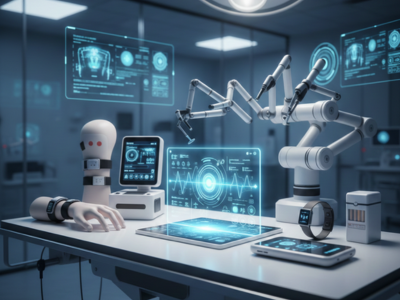
Smart medical devices are reshaping healthcare and changing how patients and clinicians interact with medicine in the 21st century. These intelligent tools use advanced sensors, wireless connectivity, artificial intelligence (AI), and data analytics. They deliver actionable insights, provide real-time monitoring, and personalize treatment for better outcomes.
As healthcare evolves, smart medical devices bridge the gap between traditional practices and the demands of data-driven, patient-focused care. They are more than instruments—they are connected systems that collect health data, transmit it securely, and support precise clinical decisions. Unlike conventional tools, these devices integrate with smartphones, cloud services, and electronic health records (EHRs). This enables seamless communication and faster decision-making. Moving from passive monitoring to active health management lies at the heart of this revolution.
Understanding Smart Medical Devices
Smart medical devices use technology to monitor, diagnose, and support treatment continuously and remotely. They combine embedded sensors to track vital signs, connectivity options like Bluetooth or Wi-Fi, and AI algorithms for predictive analytics. As part of the Internet of Medical Things (IoMT), these devices generate alerts, allow remote monitoring, and support early clinical intervention. This significantly improves patient care.
Key Categories of Smart Medical Devices
Healthcare today benefits from diverse smart medical innovations. Each device addresses specific clinical needs while enhancing user engagement and outcomes:
- Wearable Health Trackers: Smartwatches, fitness bands, and sensor-embedded garments collect data on heart rate, sleep, and activity. They give users real-time feedback and help clinicians monitor patients.
- Smart Inhalers: Used by asthma and COPD patients, they track usage, monitor triggers like air quality, and sync with apps to improve medication adherence.
- Connected Drug Delivery Systems: Insulin pens and smart pumps deliver precise doses and record administration for clinician review.
- Remote Patient Monitoring (RPM): Tools track blood pressure, glucose, ECG, and oxygen saturation. They send data to care teams for early intervention and reduced hospital readmissions.
- Smart Diagnostic Tools: Portable ultrasound and AI-enhanced scopes provide rapid, accurate diagnostics, especially in remote or primary care.
- Smart Pill Dispensers: Automated dispensers release medication on schedule, alert patients or caregivers, and prevent missed doses.
- Implantable Monitors: Devices like continuous glucose monitors (CGMs) or cardiac monitors provide uninterrupted data streams for better diagnosis and ongoing treatment.
Impact on Healthcare Delivery
Smart medical devices improve care across multiple areas:
- Chronic Disease Management: Continuous monitoring of glucose or heart activity allows patients to prevent complications and lets clinicians adjust treatments quickly.
- Elderly and Post-Surgical Care: Wearable fall detectors and sensor bandages track recovery and reduce hospital visits.
- Pediatric and Neonatal Support: Non-invasive monitoring delivers real-time data, helping clinicians care for infants and manage pediatric conditions.
- Mental Health and Neurological Monitoring: Wearables can sense stress levels or detect seizures, supporting mental wellness and neurological care.
Challenges to Adoption
Despite the promise of smart medical devices, several challenges remain that must be addressed for widespread implementation. These include concerns about data security and privacy, since sensitive health information is constantly transmitted and stored digitally, making strong cyber protections essential.
Regulatory hurdles also create delays, as obtaining clearance from bodies like the FDA or CE can slow innovation. Additionally, interoperability problems sometimes prevent devices from integrating smoothly with existing health IT systems. The cost of cutting-edge smart devices and limited insurance coverage can restrict access, particularly in low-resource environments.
Healthcare providers also grapple with managing vast amounts of incoming data, which can be overwhelming without advanced analytic tools. Moreover, digital literacy gaps, especially among older adults, may hinder the effective use of smart medical technologies by those who need them most.
Market Growth and Opportunities
The smart medical devices market is expanding rapidly, driven by the increasing prevalence of chronic diseases and a greater demand for remote and personalized care technologies. The market is expected to grow substantially, as demand for real-time diagnostics, IoT connectivity, and home-based therapeutic solutions rises.
North America currently leads this growth, fueled by advanced healthcare infrastructure and widespread tech adoption. However, regions like Asia-Pacific and the Middle East are quickly emerging as major markets, supported by rising awareness, improved digital networks, and increasing government initiatives for decentralized care.
Recent Innovations and Future Outlook
Innovation in smart medical devices continues at a brisk pace. Recent advancements include AI-powered diagnostic apps and smart wearable tech that detect specific health conditions like atrial fibrillation, as well as insulin pen systems that enhance diabetes management.
Looking ahead, developments in miniaturization, nanotechnology, and ultra-fast connectivity with 5G are expected to further enhance the capabilities of smart medical devices. These future tools may become even more personalized, offering individualized insights based on genetic and lifestyle data for comprehensive health monitoring.
Conclusion
Smart medical devices are transforming healthcare by enabling proactive, personalized, and connected care. From wearable trackers to implantable monitors, these technologies are improving diagnostic accuracy, empowering patients, and supporting clinicians. As digital innovation continues to advance, the integration of smart medical devices will remain central to modern healthcare systems, helping to meet the needs of aging populations, rising chronic conditions, and the global shift toward value-based care.