Crispy Bacon and Its Irresistible Crunch Explained
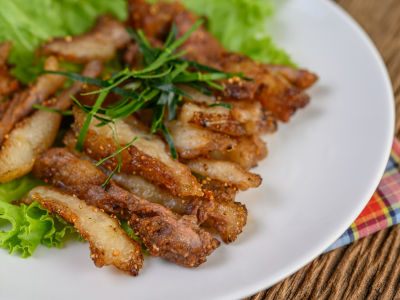
Few foods trigger instant joy like Crispy Bacon. The sound, the aroma, the shatter‑on‑contact texture, it all creates a tiny celebration on the tongue. Many cultures adore bacon for its flavor, yet the world shares a special obsession with its crunch. The global market proves it. From North America to East Asia, the demand for crunchier, crispier cuts keeps rising as consumers chase ever more satisfying textures.
But why does this humble strip of meat inspire such devotion? Why does crunch feel so good? And how does a slice transform from soft pink meat into a perfectly engineered edible marvel? Let’s explore the delightful chemistry and engineering behind Crispy Bacon, and understand why crunch continues to rule taste buds across continents.
The Global Love Affair With Crunch
Around the world, crisp textures symbolize freshness, quality, and satisfaction. Japanese cuisine celebrates crunch through tempura. Korean street food thrives on crackling textures. Western snacks rely heavily on crunch cues in chips, crackers, and of course, Crispy Bacon. Although flavor matters, texture often decides whether a product becomes memorable.
Moreover, researchers have found that people perceive crunchy foods as more flavorful. The enhanced sensory experience leads to stronger emotional responses, which helps explain why consumers everywhere crave a crackly bite. Therefore, when bacon cooks to crisp perfection, it taps into a deep cross-cultural desire for multisensory pleasure.
The Maillard Reaction: The Flavor Engine Behind Crispy Bacon
The irresistible aroma of Crispy Bacon comes from the Maillard reaction. This complex chemical dance happens when heat transforms proteins and sugars into hundreds of flavorful compounds. As bacon cooks, its surface dries, and temperatures soar high enough to trigger this process. The result is a bouquet of aromas ranging from nutty to smoky, even sweet.
Furthermore, studies show that about 150 distinct chemical compounds create bacon’s signature scent. Many of these molecules also appear in roasted coffee, grilled meats, and toasted bread. Therefore, the familiar comfort attached to bacon is partly due to shared flavor chemistry across beloved foods.
However, the Maillard reaction does more than add flavor. It also helps create crunch. As moisture evaporates, the surface turns brittle and rigid. This thin, hardened layer delivers that sharp snap when you bite in. Without this surface transformation, bacon would stay soft and rubbery. Consequently, the Maillard process sits at the heart of crunch creation.
Fat–Protein Dynamics: The Secret Behind Texture Transformation
The unique texture of Crispy Bacon comes from an intricate interaction between fat and protein. Bacon begins as a mix of muscle fibers and generous fat layers. As heat rises, proteins denature and shrink, forcing moisture out. Simultaneously, fat liquefies and melts away. This dual action turns flexible slices into crisp, rigid shards.
However, the ratio of fat to muscle affects crispness. Cuts with higher fat content tend to yield superior crunch because rendered fat leaves tiny pockets of empty space. These pockets create fragile, glass-like structures. When you bite them, they shatter pleasingly. Meanwhile, leaner cuts resist crisping because the remaining protein forms tougher, chewy layers. Therefore, fat is not just responsible for flavor and juiciness. It is also a key architect of crispness.
Moreover, global bacon producers engineer fat composition through controlled feed, farming conditions, and curing techniques. This deliberate textural engineering ensures that Crispy Bacon reaches consistent crunch standards worldwide. Consequently, bacon is not merely a cooked product. It is a piece of culinary engineering.
The Sound of Satisfaction: Why Crunch Is a Sensory Trigger
When people bite into Crispy Bacon, the crunch sound travels through bone conduction and air. This sharp sound stimulates the brain in surprising ways. Researchers found that louder crunching increases perceived freshness and enhances overall enjoyment. Additionally, global food brands often design their products around this idea. Snack makers invest heavily in acoustic testing. They tune crunch levels to match consumer expectations. Although bacon is not factory-extruded like chips, it still benefits from natural acoustic qualities shaped by its fat–protein matrix.
Therefore, crunch is not just a texture. It is a sound experience tied deeply to pleasure pathways in the brain. When bacon hits the perfect crispness, it becomes a tiny symphony of sensory delight.
Heat, Technique, and the Perfect Crunch
Achieving flawless Crispy Bacon requires the right cooking approach. Although many cultures use different tools, from ovens to woks, the underlying science stays the same. The goal is to render fat slowly while allowing moisture to evaporate fully. When water remains trapped, slices may curl or stay soft. Furthermore, flat cooking surfaces provide even heat, which ensures consistent crispness across the strip. Many chefs also suggest starting bacon in a cold pan. This method allows fat to melt gradually, which promotes a stable, crisp texture.
Meanwhile, oven baking helps large-scale producers maintain uniform quality. It also lets commercial kitchens achieve crunch levels preferred by global consumers. The method reduces burning and enhances the Maillard reaction by keeping surface temperatures controlled. Therefore, crispness does not happen by accident. It is a result of an evidence-based technique, engineered for perfection.
Why Humans Love Crispy Textures
Food psychologists offer several explanations for the global appeal of crunchy foods like Crispy Bacon—first, crunching signals freshness. Many ancestral foods, such as fruits and vegetables, were crisp when safe to eat. Therefore, crunch became associated with reliability. Second, crunch encourages slower chewing. This extended chewing increases flavor release, which amplifies satisfaction. As a result, crunchy foods often feel more rewarding than softer options. Finally, crunch adds excitement. Soft foods offer predictable bites, while crisp ones provide small bursts of surprise. Consequently, every bite of crisp bacon delivers micro-moments of joy.
These sensory factors combine to make crispy textures universally appealing. That is why cultures with wildly different cuisines still celebrate crunchy foods.
Flavor Science: How Bacon Hits Every Pleasure Button
Crispy Bacon engages multiple taste categories. Salt leads the way. Umami adds savoriness. Sugar from curing contributes mild sweetness. Smoke from wood adds complexity. Fat enhances mouthfeel and flavor dispersion. Together, these elements create a complete flavor profile. Therefore, bacon offers a sensory richness that few foods can match. Moreover, crispness enhances flavor delivery by creating fast-dissolving fragments. These fragments spread flavor compounds quickly across the palate. As a result, each bite feels intense and deeply satisfying.
Furthermore, global producers experiment with seasonings to keep consumers interested. Maple, pepper, chili, miso, and garlic versions continue entering markets. Although flavors change, the crisp foundation remains the hero.
Global Innovation: Texture Engineering for Bacon Lovers
As demand rises, companies worldwide invest in texture engineering. They study fat distribution patterns, adjust curing times, and optimize slice thickness. Every tweak influences crispiness.
Additionally, plant-based bacon producers attempt to mimic the same crunch. They replicate fat–protein layers using oils, starches, and plant proteins. Their success depends heavily on recreating the audible crackle of Crispy Bacon, because consumers crave that signature sensory moment. Therefore, crispness becomes a benchmark for innovation, whether the bacon is pork-based or plant-derived.
Why Crispy Bacon Will Never Lose Its Appeal
The global love for crunch shows no sign of fading. As culinary trends evolve, people still gravitate toward foods that offer crisp textures. The combination of sound, flavor, chemistry, and nostalgia keeps Crispy Bacon at the center of this movement. Although cooking methods may change, the chase for the perfect crisp slice continues worldwide.
In the end, the science of crunch reveals more than texture. It explains why humans seek joy through food. When bacon crisps to perfection, it becomes more than a dish. It becomes a sensory celebration.