Why Preserved Flowers Rule Gen Z and How Brands Benefit
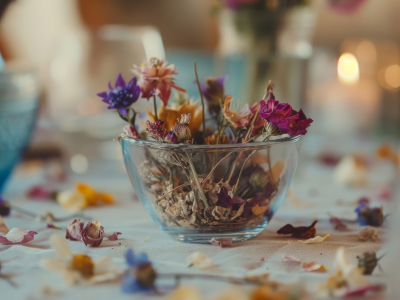
Preserved flowers are having a serious main-character moment. They last for years, look stunning, and photograph perfectly. Gen Z noticed. Then they turned them into a lifestyle accessory, a décor staple, and a gift with meaning. Brands, meanwhile, are catching up. This trend is not a fleeting fad. It sits at the intersection of sustainability, aesthetics, and convenience. It also aligns with the digital world Gen Z inhabits every day.
This blog explains why the obsession is real. It also translates those “why” factors into clear brand actions. You will get a global perspective. You will also get tactical ideas you can use right now.
What Exactly Are Preserved Flowers?
Preserved flowers start as fresh blooms. Then technicians treat them to lock in softness, color, and form. As a result, they retain a natural look for a year or more. Some last even longer with care. They are not dried flowers. They are not artificial either. Instead, they live in that sweet spot between nature and design.
For customers, the value proposition is simple. You buy once, enjoy for months or years. avoid weekly replacement, reduce maintenance, and also reduce waste. That is a compelling mix for a generation that budgets with intent.
The Gen Z Value Stack: Why the Fit Is Perfect
Gen Z buys with purpose. They demand function and meaning. Preserved flowers satisfy both. Here is how the value stack plays out.
1) Sustainability that feels real
Gen Z cares about environmental impact. Frequent fresh bouquets feel wasteful to many. Preserved flowers last much longer. Therefore, they reduce repeat shipping and water use downstream. They also reduce frequent cold-chain transport. The visible longevity makes the sustainability feel concrete.
However, claims must be honest. Gen Z will ask for proof. They expect transparent sourcing and materials. They prefer minimal plastics and recyclable packaging. Brands should publish footprint data where possible. They should also explain preservation methods in simple terms.
2) Aesthetic consistency for social feeds
Gen Z curates spaces like mood boards—visual harmony matters. Preserved flowers maintain color and shape for months. Therefore, bedrooms, desks, and studio corners look consistently “on brand.” TikTok and Instagram reward that stability. So do study setups, stream backdrops, and shelfies.
Moreover, color families like beige, sage, and blush stay stable. That makes styling easier. The result is higher content velocity with less fuss. It also supports micro-influencers who post daily.
3) Convenience with a luxury feel
Time is scarce. Gen Z juggles classes, jobs, and side hustles. Preserved flowers need little care. No water, stem trimming, and pollen mess. Yet they deliver a premium look. That balance of “low effort, high return” feels smart and grown up. It also fits small apartments and dorms.
4) A gift that feels meaningful and modern
Gifts matter in this cohort. They want to say “I care” in a fresh way. Preserved flowers hit the emotion of real blooms. They also signal thoughtfulness because they last. Add a personal note or a brand story card. The result becomes a keepsake. It also plays well for birthdays, graduations, and friendship milestones.
5) Price-per-use logic
Gen Z calculates value across time. A bouquet that lasts two weeks loses to one that lasts a year. Preserved flowers win on cost-per-month. Transparent pricing helps. So do small sizes and modular sets. Entry pricing matters, but perceived value matters more.
Culture and Aesthetics: A Global View
The appeal is global. Yet different regions add their flavor.
- East Asia: Design minimalism, pastel palettes, and gift etiquette help adoption. Boxed roses and neutral tones do well.
- Southeast Asia: Air-conditioned interiors support longevity. Gifting culture boosts special sets and seasonal designs.
- Europe: Eco framing resonates. Natural palettes and wildflower looks gain ground. Local sourcing adds trust.
- Middle East: Luxury gifting and hospitality traditions suit premium preserved arrangements. Bold tones find favor.
- North America: DTC brands thrive with influencer collabs. Dorm décor and micro-apartment sets sell strongly.
- Latin America: Vibrant color stories and festive gifting drive demand—compact, affordable options matter.
In every market, style plus story wins. The brand’s cultural sensitivity also matters. Local palettes and holiday calendars help collections feel relevant.
Social Platforms: The Discovery Engine
Gen Z discovers products online first. They also trust creators more than ads. Preserved flowers look great on camera. Therefore, they perform well across platforms.
- TikTok: Short tutorials, unboxings, and aesthetic resets do numbers. Quick care tips build credibility.
- Instagram: Carousels and reels showcase color stories and shelf styling. Shoppable tags close the loop.
- YouTube: Longer vlogs and room makeovers tell deeper brand stories. Creator-led design collabs feel natural.
- Pinterest: Mood boards drive planning behavior. Collections benefit from clear color naming and SEO.
Additionally, UGC is essential. Encourage real rooms, not studio sets. Gen Z wants authenticity. They also want diverse styles and budgets represented.
Product Design Principles That Win
Brands need smart design choices. Preserved flowers sell when assortments make styling easy.
- Modularity: Offer small sets that stack into bigger statements.
- Neutral cores, seasonal accents: Anchor with neutrals. Then drop limited colors each quarter.
- Texture mix: Combine roses with hydrangea, baby’s breath, and grasses. Texture adds depth on camera.
- Mini formats: Bud vases and desk cubes hit entry price points.
- Care cards: Include simple, visual care guides. Keep them friendly and short.
- Refill concept: Allow customers to refresh a set without replacing all stems.
Moreover, name collections with moods, not only colors. “Cloud Beige” and “Oat Milk Blush” spark inspiration. Story sells aesthetics.
Packaging, Unboxing, and Keepsake Design
Unboxing is part of the value. Gen Z shares it. So design the moment with care.
- Use recyclable or recycled materials.
- Offer a gift message card that doubles as décor.
- Print a tiny brand manifesto on the inner flap.
- Avoid excessive plastic. Choose molded pulp or corrugated inserts.
- Add QR codes that link to care, styling tips, and playlists.
Therefore, the experience feels premium yet responsible. It also nudges social sharing without begging for it.
Pricing, Tiers, and Value Cues
Tiered pricing suits a wide audience.
- Entry: Minis and single-stem pieces under a student-friendly price.
- Mid: Desk sets and shelf bundles at giftable prices.
- Premium: Large arrangements, glass domes, and bespoke boxes.
Always justify the price with materials, craftsmanship, and longevity. Educate on cost-per-month. Offer bundle discounts for room sets. Moreover, keep shipping clear. Hidden fees hurt conversion.
Sustainability Claims: Do the Work, Then Speak
Sustainability sells, but only if true. Preserved flowers can reduce waste. However, preservation agents, dyes, and logistics still have impacts. Brands should:
- Map their supply chain.
- Audit chemicals and worker safety.
- Choose low-VOC processes where possible.
- Publish concise impact notes on product pages.
- Optimize packaging to reduce air in shipments.
Consequently, claims feel earned, not embellished. Gen Z rewards honesty with loyalty.
Voice, Story, and Brand Character
Gen Z appreciates wit and clarity. Speak like a smart friend. Keep copy crisp. Avoid clichés. Share the origin story and the maker’s touch. Feature the people behind the arrangements. Explain why certain stems are cut. Also share failure and learning. That transparency builds trust.
Use micro-stories across touchpoints:
- Labels with a single sentence about the color mood.
- Emails with quick style tips and real homes.
- Product pages with GIFs for scale and texture.
- Social captions with care myths and facts.
Influencers and Community: Build With, Not For
Partner with creators who shape taste, not just chase reach. In fact, micro‑creators convert well. Additionally, niche communities matter. For example, think studygram, cozy gamers, clay artists, and stationery lovers. Let them style preserved flowers in their own way.
Furthermore, spotlight customer setups in a regular series. Reward with store credits. Community-driven merchandising keeps assortments grounded in reality.
Retail and Omnichannel: Meet Customers Everywhere
DTC is critical. However, omnichannel wins the long game.
- Pop-ups: Let buyers touch textures and compare tones.
- Concept stores: Co-locate with home goods or stationery.
- Campus events: Reach students at career fairs and festivals.
- Gifting kiosks: Place small sets near checkout zones.
Online, offer visualizers. AR previews help customers test sizes on shelves. Clear size references also reduce returns. Fast, trackable shipping is non-negotiable.
Care and Aftercare: Extend the Romance
Care is simple. Yet customers still need reminders. Preserved flowers dislike direct sun, moisture, and dust. Share simple rituals:
- Keep away from windows and bathrooms.
- Dust gently with a soft brush or cool air.
- Do not water.
- Avoid squeezing or bending stems.
Automate a post-purchase email series with visuals. Add seasonal reminders. This support reduces complaints. It also nudges repeat purchases.
Risk, Quality, and Guarantees
Trust grows when brands back their quality. Offer a 30-day satisfaction promise. Replace damaged pieces fast. Add a color fade policy when applicable. Additionally, provide clear photos in different lighting. Realistic expectations reduce friction. Reviews with room context also help new buyers choose well.
B2B and Collaborations: Think Beyond DTC
Hospitality, co-working, and retail display teams need long-lasting décor. As a result, preserved flowers reduce labor and cost. To support this, curate B2B catalogs with volume pricing. Additionally, offer maintenance guides for staff; furthermore, co-create lobby or café palettes with designers. In the same way, brand partnerships with candle or stationery labels make perfect sense. Ultimately, curated bundles raise basket size across both brands.
Data, Merchandising, and Iteration
Gen Z tastes shift fast. Therefore, brands should track signals tightly.
- Follow color sell-through by region.
- Track bundle performance by room type.
- Watch UGC for emergent textures and heights.
- Test limited drops with fast feedback loops.
Moreover, treat returns and DMs as free research. Customers will tell you what to fix. Listen, then iterate.
Compliance, Ethics, and Safety
Even beautiful products must be safe and ethical. Therefore, vet dyes and preservatives carefully. Additionally, label materials clearly so buyers understand what they bring home. Moreover, meet all import and customs rules for floral goods. At the same time, respect local regulations in every market. Above all, ethical sourcing and fair labor must be visibly prioritized. After all, Gen Z notices when brands walk the talk.
Final Word: The Moment Is Built to Last
Gen Z craves meaning, beauty, and ease. Consequently, preserved flowers deliver all three in one elegant package. Additionally, they save time, reduce waste, and elevate everyday spaces. Most importantly, they let personality shine through consistent design.
For brands, the opportunity is clear. To begin with, honor the aesthetic. Next, back every claim with evidence. Then, design modular sets that fit small spaces. Finally, build community around real rooms, not staged sets. If you do, you will not only ride a trend, but also help shape a new standard for modern, sustainable décor.