Posture and Bone Health: Strengthen Your Skeleton Daily
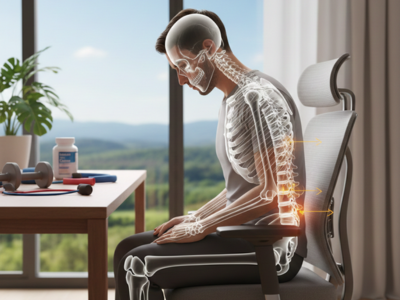
Good posture affects more than appearance; it directly influences posture and bone health, ensuring bones and joints remain strong. Maintaining proper posture distributes weight evenly across your skeleton, reducing strain and preventing long-term skeletal problems. Conversely, slouching or poor alignment places excess stress on joints, muscles, and vertebrae, potentially causing chronic pain and weakening bones over time. Understanding this connection allows you to take simple, daily actions to support your skeletal health effectively.
Every day, the way you sit, stand, or move determines how forces act on your bones and joints. Correct posture allows muscles and skeletal structures to share loads efficiently, reducing wear. Poor posture, however, forces certain areas of the body to overcompensate, leading to imbalances. Over time, this misalignment can result in chronic discomfort, reduced mobility, and even bone density loss. Therefore, practicing good posture is essential for maintaining lifelong bone health.
How Posture and Bone Health Are Connected
Proper posture preserves the spine’s natural curves and ensures bones and muscles work in harmony. When alignment is correct, stress on vertebrae and joints decreases, muscles function efficiently, and energy expenditure reduces. Research indicates that good posture enhances balance, prevents fatigue, and supports bone health. As aging naturally decreases bone density, maintaining proper alignment becomes even more critical, helping prevent fractures and long-term skeletal issues.
Conversely, poor posture shifts your center of gravity, forcing certain muscles and bones to work harder. Forward head posture stresses the neck, rounded shoulders strain the upper back, and slouched positions overload the lower spine. These imbalances increase wear on joints and bones and may accelerate bone weakening. Therefore, improving posture is a proactive step toward maintaining a strong skeleton and overall health.
Signs Poor Posture May Affect Your Bones
Awareness is key to improving posture and bone health. Common signs include persistent neck, back, or shoulder pain, slouching while sitting or standing, and fatigue after minor activity. Reduced balance, occasional instability, and a slight loss of height over time may also indicate skeletal stress caused by misalignment. Identifying these signs early helps prevent long-term damage and allows corrective measures before chronic problems develop.
Effects of Poor Posture on Bone Health
Incorrect posture places uneven stress on muscles, joints, and bones, increasing the risk of degeneration. Misalignment can discourage physical activity due to discomfort, indirectly affecting bone strength. Poor posture may also compromise balance, raising the risk of falls and fractures, especially among older adults. Additionally, slouched posture compresses internal organs, reducing lung capacity and slowing digestion. Clearly, maintaining proper alignment is essential for supporting posture and bone health comprehensively.
Steps to Improve Posture and Strengthen Bones
Correcting posture requires awareness, consistency, and exercises that reinforce skeletal support. These strategies are practical for daily life:
- Monitor Posture Regularly
Check alignment by standing against a wall or using mirrors. Frequent self-checks improve awareness and encourage correct positioning throughout the day.
- Strengthen Core and Back Muscles
Exercises such as planks, yoga, or resistance training fortify muscles that support the spine, enhancing bone health and stability.
- Create an Ergonomic Workspace
Adjust the desk, chair, and monitor to maintain upright sitting. Keep feet flat and lower back supported to reduce slouching.
- Move Frequently
Avoid long periods of sitting or standing. Short walks or stretching breaks relieve skeletal stress and encourage proper alignment.
- Wear Supportive Footwear
Shoes with cushioning and arch support promote better standing posture and indirectly support posture and bone health.
- Practice Mindful Posture
Visualize an upward pull from the head with relaxed shoulders. Daily attention and small adjustments gradually reinforce alignment.
Professional Guidance for Posture Improvement
Sometimes, poor posture causes pain that persists despite lifestyle changes. Consulting a physiotherapist or orthopedic specialist helps assess alignment, provide corrective exercises, and recommend supportive tools. Professional guidance ensures safe posture improvement and optimizes bone health results, particularly for individuals experiencing chronic discomfort or age-related skeletal issues.
Benefits of Maintaining Good Posture
Consistently good posture delivers immediate and long-term benefits. Proper alignment reduces stress on the spine, joints, and muscles, improves breathing and circulation, and enhances balance. Correct posture also supports bone strength by evenly distributing forces during daily activity and exercise. Prioritizing posture reduces the risk of chronic pain, falls, and skeletal deterioration over time. Ultimately, small, consistent changes in posture contribute to healthier bones and improved overall well-being.
Conclusion
Focusing on posture and bone health is essential for a strong skeleton, better balance, and improved overall wellness. Mindful adjustments, strengthening exercises, ergonomic practices, and frequent movement protect your bones and reduce injury risks. By cultivating good posture today, you prevent long-term skeletal problems, enhance mobility, and support lifelong health. Strengthening your posture strengthens your body, ensuring your bones remain healthy and resilient for years.