Can AI in Fashion Decode Your Style with Algorithms?
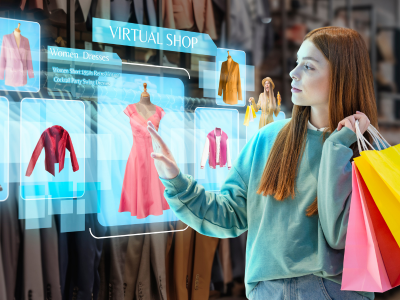
Have you ever wondered how your favorite brand always seems to know the exact dress you want before you even search for it? This is not just a lucky guess; it is the sophisticated work of AI in Fashion. In 2026, the clothing industry is moving at light speed. Artificial intelligence has moved from a futuristic “nice-to-have” to the very heartbeat of global retail. From virtual fitting rooms that match your body perfectly to algorithms that predict next season’s colors, AI in fashion is rewriting every rule in the book. This guide explores how these smart tools create a shopping experience that is faster, more personal, and more sustainable than ever before.
AI fashion transforms how we create, sell, and wear clothing by bridging the gap between digital data and physical style. Google’s Shopping Graph now powers visual search for over 50 billion listings, helping you find products by simply pointing your camera. Meanwhile, Microsoft and Adobe use AI to help brands plan their inventory with surgical precision. These technologies do more than just sell clothes; they help reduce waste and ensure that the right styles reach the right people at the right time.
AI in Fashion: Decoding the 2026 Landscape
The current state of AI in Fashion is defined by a massive shift toward “Agentic AI” and hyper-personalization. In 2026, the focus has moved from simple chatbots to autonomous agents that can plan entire outfits and even execute purchases for you. Market leaders like Google, Microsoft, and Amazon are integrating these tools directly into the shopping journey.
This landscape is also increasingly focused on the “circular economy.” AI is now used to detect wear and tear on second-hand items, making the resale market more transparent and trustworthy. As consumer culture leans more toward visual and conversational decision-making, the brands that embrace these intelligent systems are seeing a significant jump in loyalty and sales.
The Blueprint for Market Dominance
A deep dive into the AI in the fashion sector reveals a clear trend: data is the new denim. Analysis shows that the most successful brands are those that treat AI as a creative partner rather than just a technical tool. This evolution addresses three critical areas of the fashion lifecycle:
- Design Acceleration: Tools like Fashion Diffusion turn simple sketches into 3D renders in minutes, cutting months off the traditional design cycle.
- Inventory Intelligence: Predictive models from Oracle and IBM help retailers avoid the “overstock nightmare,” reducing markdowns and landfill waste.
- Visual Confidence: Virtual try-on (VTO) technology from companies like Perfect Corp and Google helps shoppers see how clothes drape on their own bodies, which slashes return rates.
Visual Search and the End of Keywords
In 2026, “Googling it” feels vintage. Shoppers no longer want to type “red floral summer dress” into a search bar. Instead, they use visual search to find exactly what they see in the real world.
- Circle to Search: Google Lens allows you to circle any item on your screen to find it instantly across the web.
- Multisearch: You can snap a photo of a pattern and type “in a skirt” to see how that specific look would translate to different garments.
- Contextual Accuracy: AI now understands the difference between “suede” and “velvet,” ensuring your results are visually and texturally correct.
What this means for you: Product discovery is now 50% faster, and bounce rates are dropping as users find what they love in a single click.
Virtual Try-On and Fit Confidence
The biggest pain point in online shopping has always been the question: “Will this fit me?” AI In Fashion has finally solved this.
The New Digital Fitting Room
Virtual try-on technology leverages augmented reality (AR) and generative AI to realistically simulate how fabrics move and drape. For example, Google’s latest VTO models display garments on a diverse range of real people, accurately accounting for shadows and fabric folds. Additionally, some platforms, like DressX, enable users to create an “AI Twin” from a selfie, allowing them to try on luxury items instantly.
Measurable Benefits
- Reduced Returns: Brands using advanced VTO see return rates drop by 20% to 40%.
- Higher Conversions: Shoppers are 30% more likely to buy when they can visualize the item on a body that looks like theirs.
- Sustainability: Fewer returns mean fewer delivery trucks on the road and less carbon impact.
Predictive Design and Trend Forecasting
Fashion designers used to rely on “gut feeling” for next year’s trends. Today, AI in Fashion scans billions of data points, from TikTok videos to weather patterns, to predict what will be popular months in advance.
- AI Sketch-to-Garment: Designers can describe an idea in plain language, and tools like SIM-AI generate accurate sewing patterns instantly.
- Fabric Simulation: AI can now simulate the elasticity and shine of a fiber blend before a single yard of fabric is even woven.
- Zero-Waste Design: By testing 1,000 variations of a sketch digitally, brands can pick the most “viable” design before creating any physical samples.
Behind the Scenes: Demand and Inventory
While the “front end” of fashion is about style, the “back end” is about math. AI in Fashion helps retailers keep their shelves stocked without overproducing.
- Hyper-Local Forecasting: AI can predict that a specific shade of yellow will trend in London but fail in New York, allowing for smarter stock allocation.
- Dynamic Pricing: Algorithms adjust prices in real-time based on demand, condition (for resale), and current market trends.
- Intelligent Fulfillment: Microsoft’s order management tools ensure that if you buy a shirt online, it is shipped from the closest store to save time and energy.
Top Questions About AI in Fashion
How does AI actually help the environment?
It reduces overproduction. By predicting exactly how many units of a jacket will sell, brands avoid creating “deadstock” that usually ends up in landfills.
Is my data safe when I use virtual try-on?
Most reputable brands follow “Privacy by Design.” They use your photo only to generate the fit simulation and do not store your private biometric data without consent.
Can AI design clothes better than humans?
AI is a collaborator, not a replacement. It handles the repetitive parts, like grading patterns or recoloring, so designers can focus on the big creative vision.
What is an “AI Agent” in shopping?
An AI Agent is a smart assistant that can talk to you, search catalogs, and even complete the checkout process for you based on your “Style Passport” preferences.
How to Launch Your AI Fashion Strategy
- Audit Your Data: AI needs high-quality images and clear metadata to work. Fix your product tags first.
- Enable Visual Search: Make sure your mobile app has a prominent camera icon for image-driven discovery.
- Pilot Virtual Try-On: Start with your most popular category (like denim or dresses) to see how it affects your return rates.
- Connect Your Inventory: Link your demand forecasting tool to your supply chain to prevent stockouts of trending items.
- Focus on Inclusion: Use AI models that represent all skin tones and body types to build trust with a global audience.
Final Thoughts
In 2026, AI in Fashion has moved far beyond the novelty of robots on a runway; indeed, it has become the heartbeat of a more human, efficient, and eco-conscious industry. By seamlessly weaving visual search, virtual fit, and smart forecasting into your DNA, you can therefore transform your brand into a tireless personal stylist for every customer. Moreover, this technology doesn’t replace the soul of style; instead, it amplifies it. As a result, it allows us to design with purpose, produce with precision, and shop with confidence. Embrace this digital evolution today to build a fashion future that is as kind to the planet as it is curated for the individual.