


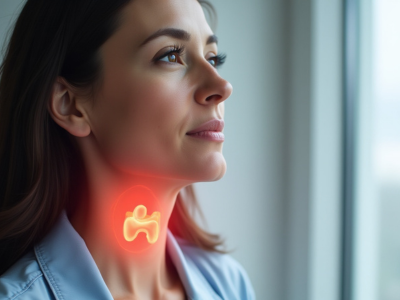
Thyroid disorders in women are a major health concern that affects metabolism, energy, mood, and reproductive well-being globally. Despite their prevalence, these conditions often go unnoticed because early symptoms resemble stress, hormonal changes, or natural aging processes. Understanding the causes, symptoms, and management strategies ensures timely intervention, improving long-term health outcomes and overall quality of life.
Understanding the Thyroid Gland
The thyroid is a small, butterfly-shaped gland located at the base of the neck. It produces hormones, triiodothyronine (T3) and thyroxine (T4), that regulate metabolism, heart rate, and body temperature efficiently. When hormone production becomes imbalanced, thyroid disorders in women can affect multiple organ systems, creating widespread health challenges.
Why Women Are More Vulnerable
Women are significantly more vulnerable to thyroid disorders due to hormonal fluctuations during various life stages. Puberty, menstruation, pregnancy, and menopause place additional strain on the thyroid, increasing the risk of dysfunction. Furthermore, autoimmune conditions, such as Hashimoto’s thyroiditis and Graves’ disease, are more common in women, triggering chronic thyroid complications.
Common Types of Thyroid Disorders
- Hypothyroidism: Hypothyroidism occurs when the thyroid produces insufficient hormones, slowing metabolism and lowering energy levels noticeably. Typical symptoms include fatigue, unexplained weight gain, cold intolerance, dry skin, hair thinning, and constipation. Women may also experience depression, memory problems, muscle weakness, and irregular menstrual cycles, making diagnosis more difficult.
- Hyperthyroidism: Hyperthyroidism develops when excessive thyroid hormone accelerates metabolism, causing a rapid heartbeat and unexplained weight loss. Other symptoms include anxiety, tremors, heat intolerance, increased sweating, insomnia, and emotional instability. Both hypo- and hyperthyroidism significantly impact reproductive health, emotional balance, and overall daily functioning.
Thyroid Disorders and Reproductive Health
Thyroid disorders in women often disrupt menstrual cycles, ovulation, and fertility, causing irregular periods or difficulty conceiving naturally. During pregnancy, untreated thyroid dysfunction increases the risks of miscarriage, preterm delivery, preeclampsia, and developmental delays in infants. Postpartum thyroiditis is another concern, occurring within a year after childbirth and sometimes resulting in permanent hypothyroidism.
Autoimmune and Genetic Factors
Autoimmune conditions play a significant role in thyroid disorders in women.
Hashimoto’s thyroiditis gradually reduces hormone production, leading to chronic hypothyroidism, while Graves’ disease causes hyperthyroidism through immune overactivity.
Genetic predisposition increases susceptibility, making routine screenings essential for women with family histories of thyroid dysfunction.
Recognizing Symptoms Early
Early recognition of symptoms allows for timely diagnosis, reducing the risk of complications. Persistent fatigue, unexplained weight changes, hair thinning, mood swings, or cold/heat intolerance should prompt a medical evaluation. Blood tests measuring thyroid-stimulating hormone (TSH) and thyroid hormone levels can accurately identify imbalances before severe consequences occur.
Emotional and Mental Health Implications
Thyroid imbalances significantly affect mood, cognition, and emotional well-being in women. Hypothyroidism often causes low motivation, depression, and difficulty concentrating, while hyperthyroidism may trigger anxiety, irritability, and restlessness. Therefore, managing thyroid disorders in women also improves mental health and overall quality of life.
Lifestyle and Nutritional Support
Lifestyle modifications can complement medical treatment for thyroid disorders in women. Chronic stress, inadequate sleep, nutrient deficiencies, and sedentary habits can worsen thyroid imbalance over time. Balanced nutrition, sufficient iodine and selenium intake, regular exercise, and stress management techniques strengthen endocrine system resilience and support hormone regulation.
Diagnosis and Treatment
Proper diagnosis involves blood tests to assess TSH, T3, and T4 levels, sometimes accompanied by antibody tests for autoimmune causes. Hypothyroidism is commonly treated with hormone replacement therapy to restore normal metabolic activity effectively. Hyperthyroidism may require medications, radioactive iodine therapy, or surgical intervention, depending on severity and patient-specific factors. Regular follow-ups ensure optimal hormone balance, symptom relief, and prevention of long-term complications.
Preventive Care and Screening
Preventive care plays a crucial role in maintaining thyroid health throughout a woman’s life. Women with a family history of thyroid disorders in women or autoimmune conditions should prioritize regular screenings. Screenings are especially important before pregnancy, during major hormonal transitions, or when persistent symptoms appear, allowing early intervention and improved health outcomes.
Conclusion
Thyroid disorders in women are common but highly manageable with proper diagnosis, treatment, and lifestyle adjustments. Early recognition of symptoms, routine screening, and consistent medical guidance significantly improve overall health and prevent long-term complications. By prioritizing thyroid health, women can maintain balanced hormones, improved energy, emotional stability, and reproductive well-being throughout their lives. Education, awareness, and preventive care remain key strategies to address these disorders effectively, ensuring long-term wellness and vitality.


