


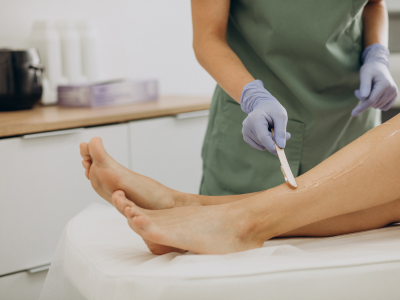
We have all been there. You seek a silky, hair-free finish, walk into a salon with high hopes, and leave with a story that haunts your dreams. Waxing is a timeless beauty ritual. Civilizations have practiced it for centuries. However, the line between “glittering goddess” and “emergency room patient” is surprisingly thin. When waxing goes wrong, it is rarely subtle. It involves tears, sticky residues, and questionable skin reactions. These mishaps transcend borders and cultures. Whether you are in New York, Paris, or Tokyo, a bad wax is a universal language of pain.
This guide explores the darker side of hair removal. We will laugh at the mishaps. More importantly, we will learn how to prevent them. Let us dive into the world of aesthetic disasters.
The Tale of the “Permanent” Grip
Imagine this scenario. You apply a generous layer of cold wax at home, wait for the perfect moment to pull, and tug, but nothing happens. The wax has bonded with your skin. It refuses to budge. You are now physically attached to your own bathroom floor.
This is a classic example of waxing gone wrong. It often happens because of poor product quality. Sometimes, the room temperature is too high. Other times, the user applies the wax too thick.
How to Avoid the Sticky Trap
- Check the Temperature: Ensure your environment is cool.
- Use Oil: Keep baby oil or olive oil nearby. Oil breaks down wax bonds instantly.
- Read the Box: Never skip the instructions on home kits.
- Thin Layers: Always apply the thinnest layer possible.
The “Double-Dipping” Disaster
In many professional settings, hygiene is undoubtedly king. However, some budget salons, unfortunately, cut corners. Specifically, they use the same spatula for every dip into the wax pot. Consequently, this practice is known as “double-dipping,” and it is truly a recipe for a bacterial nightmare.
For instance, one client in London reported a massive breakout. As a result, her skin looked like a topographical map of Mars. Ultimately, the culprit was a contaminated wax pot. Since bacteria thrive in warm, gooey environments, the risk is high. Whenever a technician double-dips, they essentially transfer skin cells and germs back into the supply. This is a real example of waxing gone wrong.
How to Avoid Infections
- Watch the Technician: Ensure they use a fresh stick every time.
- Ask Questions: Inquire about their sanitation protocols before booking.
- Check Reviews: Look for mentions of cleanliness in online feedback.
- Trust Your Gut: If the salon looks dusty, walk away.
The Great Skin Lift
This is perhaps the most painful entry. “Skin lifting” occurs when the wax removes the top layer of skin. It leaves behind a raw, weeping red patch. This often happens to people using Retinol or Accutane. These medications make the skin incredibly fragile.
A woman in Sydney shared her “winged eyeliner” story. She waxed her eyebrows while on a prescription cream. The wax took her skin instead of the hair. She spent two weeks hiding behind giant sunglasses.
How to Avoid Skin Tearing
- Disclose Medications: Tell your esthetician about every pill or cream.
- Pause Retinoids: Stop using exfoliating acids five days before waxing.
- Hard Wax vs. Soft Wax: Opt for hard wax on sensitive areas. Hard wax grips hair, not skin.
- Patch Test: Always test a small area first.
The Accidental “Brazilian” Bald Spot
DIY waxing is a brave endeavor. However, it requires a certain level of geometry. One user tried to wax her legs while watching a thriller. She got distracted during a jump scare. She accidentally applied a giant strip to her forearm.
The result was a patchy, lopsided look. She had to wear long sleeves in the summer heat. Waxing gone wrong often stems from a lack of focus. It is a precise art form.
How to Avoid Aesthetic Errors
- Focus Up: Eliminate distractions like TV or phones.
- Mirror Work: Use a large, well-lit mirror for hard-to-reach spots.
- Stretch the Skin: Keep the skin taut with your free hand.
- Work in Sections: Do not try to do everything at once.
The Purple Bruise Brigade
Bruising is a common side effect of poor technique. It happens when you pull the strip “up” instead of “back.” This creates a vacuum effect on the capillaries. You end up with dark purple welts that last for days.
A traveler in Thailand once sought a quick beach-ready wax. The technician was in a rush. She yanked the strips with reckless abandon. The traveler spent her vacation looking like she had lost a fight.
How to Avoid Bruising
- The Parallel Pull: Always pull the strip parallel to the skin.
- Be Quick: A slow pull causes more trauma and bruising.
- Avoid Caffeine: Stimulants can make your skin more sensitive.
- Post-Wax Pressure: Press your hand down immediately after the pull. This calms the nerves.
The Ingrown Hair Forest
The horror does not always end when the wax stops. Sometimes, the nightmare begins a week later. Ingrown hairs occur when hair breaks below the surface. Instead of growing out, it curls back in. This leads to painful, red bumps.
In some cases, these bumps turn into cysts. One victim in Toronto required medical intervention. Her “smooth” legs became a field of infections. This is a common result of waxing gone wrong due to poor aftercare.
How to Avoid Ingrown Hairs
- Exfoliate Regularly: Use a gentle scrub two days after waxing.
- Moisturize: Keep the skin soft so hair can break through.
- Wear Loose Clothing: Avoid tight leggings for 24 hours post-wax.
- Salicylic Acid: Use a specialized “bump” serum to keep pores clear.
The Burnt Offering
Ideally, hot wax should be warm, not boiling. Yet, many people frequently ignore the thermostat. For example, a man in Dubai once tried to wax his chest at home. Unfortunately, he overheated the wax in the microwave. Consequently, he suffered painful second-degree burns across his torso. This occurred because microwaves often create “hot spots” in the wax. In other words, one spoonful might feel cold, while the next is scalding. Therefore, using a microwave is a dangerous way to handle wax.
How to Avoid Burns
- Use a Professional Heater: These devices maintain a consistent temperature.
- The Wrist Test: Always test a drop on your inner wrist.
- Consistency Matters: Look for a “honey-like” thickness. If it is watery, it is too hot.
- Aloe Vera: Keep pure aloe in the fridge for emergencies.
The Allergic Reaction
To illustrate, you might love the scent of lavender wax. However, your own skin might strongly disagree with the ingredients. In fact, allergic reactions can cause hives, swelling, and intense itching. Consequently, this reaction turns a relaxing spa day into a sudden medical crisis. For instance, a bride-to-be in India recently tried a new “herbal” wax. Notably, she did this only two days before her wedding. As a result, her entire face unfortunately swelled up like a balloon. Eventually, she had to use heavy makeup to hide the painful rash.
How to Avoid Allergic Reactions
- Check Ingredients: Look for resins or fragrances that trigger you.
- Hypoallergenic Options: Choose zinc-based or chocolate waxes for sensitive skin.
- Antihistamines: Keep an allergy pill handy just in case.
- Small Steps: Never try a new product before a major event.
When to See a Professional
If you are waxing a sensitive area, go to a pro. This includes the face and the bikini line. These areas have thinner skin and complex hair growth patterns. A professional knows the exact angles to use. They also use high-quality products that you cannot find at the grocery store.
The Importance of Consultation
Always talk to your esthetician. Tell them about your skin type. Mention any allergies or sensitivities. A good professional will listen. They will adjust their technique to suit your needs.
Conclusion: Smooth Sailing Ahead
Waxing does not have to be a scary experience. Most waxing gone wrong stories are preventable. They usually stem from a lack of knowledge or poor hygiene. By following the tips above, you can enjoy smooth skin without the drama.
Remember to prep your skin carefully. Choose your products or salons wisely. Never rush the process. If you treat your skin with kindness, it will reward you with a glow. We have explored the burns, the bruises, and the sticky traps. Now, you are armed with the wisdom to avoid them. You can step into your next appointment with confidence. Or, you can handle your home kit like a seasoned pro.
Stay smooth, stay safe, and keep those horror stories at bay!


