


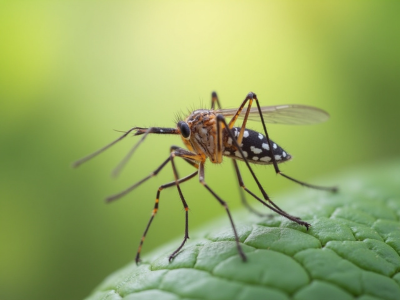
Vector-borne diseases pose significant health risks, particularly in tropical and subtropical regions where mosquitoes and ticks thrive abundantly. These illnesses spread when vectors such as mosquitoes, ticks, or fleas bite humans, transferring harmful pathogens directly into the bloodstream. Every year, millions of people suffer from these infections, including malaria, dengue, chikungunya, and the Zika virus, which can lead to severe complications or even death. The good news is that many of these diseases are preventable when individuals adopt proper protective measures. Combining environmental management, personal protection, and community participation is crucial for effective prevention.
How Vector-Borne Diseases Spread
Vector-borne diseases result from pathogens carried by insects or arthropods. Mosquitoes transmit malaria, dengue, chikungunya, and Zika, while ticks carry Lyme disease or tick-borne encephalitis. These vectors acquire the infection by feeding on an infected host, later passing the pathogen to humans during subsequent bites. Risk factors include stagnant water, dense vegetation, poor sanitation, and warm climates that promote vector breeding. Understanding how these diseases spread is critical because targeted prevention strategies significantly reduce infection chances.
Moreover, not all vectors are active at the same time. For instance, many mosquitoes bite during dawn and dusk, while ticks remain in shaded areas waiting for hosts. Awareness of vector behavior enables individuals to plan preventive actions effectively, reducing the likelihood of bites and infections.
Personal Protection Measures
Use of Insect Repellents
Insect repellents containing DEET, picaridin, or oil of lemon eucalyptus are highly effective in protecting exposed skin. Applying repellents before going outdoors interferes with a vector’s ability to detect humans, significantly reducing bite incidents. Additionally, reapplying repellents at recommended intervals ensures continuous protection, particularly in high-risk areas with active mosquito or tick populations.
Protective Clothing
Wearing long-sleeved shirts, full-length pants, socks, and closed shoes minimizes exposed skin and makes it harder for vectors to bite. Combining protective clothing with insect repellents amplifies safety, particularly in dense vegetation or areas with heavy mosquito activity. This practice is especially important during peak vector seasons, such as the monsoon, when breeding sites increase rapidly.
Bed Nets and Screens
Sleeping under insecticide-treated bed nets or using window and door screens creates a physical barrier that prevents vectors from entering living spaces. These measures are particularly effective during peak mosquito activity, which occurs at dawn and dusk. Installing well-maintained screens and using treated bed nets ensures protection, especially for children and the elderly who are more vulnerable to vector-borne diseases.
Environmental Measures to Reduce Vector Breeding
Controlling the environment around homes is essential to reducing vector populations. Mosquitoes breed in stagnant water, so regularly emptying flower pots, buckets, and unused containers is necessary. Covering water storage tanks and cleaning them frequently prevents mosquito larvae development. Proper waste disposal, drain maintenance, and cleaning of clogged areas minimize water accumulation, significantly reducing vector breeding grounds.
Community Participation
Community involvement amplifies the impact of environmental measures. Participating in neighborhood clean-up campaigns eliminates potential breeding sites on a larger scale. Collaboration with local authorities ensures proper fogging, larvicidal spraying, and other preventive actions, reducing the prevalence of vector-borne diseases across the community. A unified effort creates a safer environment and fosters health awareness among residents.
Surveillance and Early Detection
Monitoring vector activity and disease trends helps authorities implement timely interventions. Public health departments intensify fogging and source reduction campaigns during high-risk seasons or after heavy rainfall. Early detection of symptoms, such as fever, headache, joint pain, or unusual rashes, ensures prompt medical treatment, reducing complications. Timely intervention also prevents further transmission of vector-borne diseases within the community.
Furthermore, integrating technology in surveillance, such as geographic mapping of mosquito breeding sites and case tracking, enhances early warning systems. These measures allow for rapid responses and focused prevention strategies, particularly in urban areas with dense populations.
Travel Precautions and Immunization
Traveling to regions with high vector activity requires preventive planning. Consulting healthcare professionals about vaccinations for diseases like Japanese encephalitis or yellow fever is essential. Carrying insect repellents, wearing protective clothing, and staying in screened accommodations further reduce infection risk. Conducting tick checks on yourself and your pets after visiting wooded or grassy areas helps prevent tick-borne disease transmission. Such measures ensure safer travel and reduce vulnerability to vector-borne diseases.
Seasonal Precautions
During monsoon or rainy seasons, vector activity increases due to water accumulation and warm weather conditions. Taking extra precautions, such as insecticide spraying, covering water containers, and maintaining dry surroundings, is essential. Seasonal vigilance not only protects individuals but also limits disease outbreaks in the community. Proactive measures during these periods are highly effective in controlling vector populations and reducing the risk of infection.
Supporting Health and Immunity
A strong immune system helps the body fight infections in case of exposure. Maintaining a balanced diet, staying hydrated, and practicing healthy habits enhances immunity and promotes recovery. Prompt medical attention is crucial for symptoms like persistent fever, joint pain, or unusual rashes. Early diagnosis and treatment of vector-borne diseases often prevent severe complications and support better health outcomes for affected individuals.
Technological Advances in Vector Control
Modern approaches to vector control enhance traditional prevention methods. Drone-assisted larvicidal spraying allows for targeted intervention in hard-to-reach areas. Public health campaigns educate citizens about vector risks and preventive practices, supporting community awareness. These innovations improve efficiency, particularly in urban areas, and significantly reduce vector populations, helping to curb the spread of vector-borne diseases effectively.
Conclusion: A Comprehensive Approach
Vector-borne diseases continue to pose serious public health challenges, but they are largely preventable through comprehensive efforts. Personal protection, environmental management, community participation, early detection, and modern technology all play essential roles in reducing disease risk. Individuals who adopt preventive habits while supporting broader public health measures contribute to safer and healthier communities.
Ultimately, preventing vector-borne diseases requires constant vigilance and proactive behavior. Awareness, timely interventions, and consistent application of protective measures form the cornerstone of safeguarding both personal and community health. By prioritizing prevention, society can minimize the impact of these diseases and ensure long-term well-being for all.


