What Makes Lab Grown Diamond the Smart Choice Today?
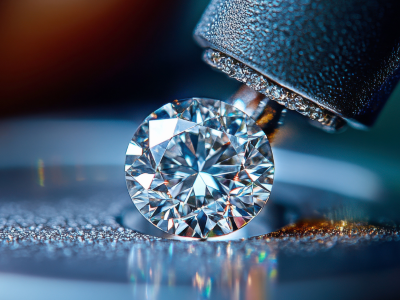
Have you ever stopped to wonder if that brilliant sparkle on your finger could have started in a machine rather than miles underground? Can a stone created in a laboratory truly match the timeless allure of something forged by the earth over billions of years? If you choose the modern path, are you getting a “real” treasure or just a clever imitation? Buying jewellery is an emotional journey, but it is also a significant financial decision that leaves many shoppers feeling overwhelmed. Before you spend your hard-earned money, you need to know the truth behind the shine. Lab Grown Diamond isn’t just a shopping manual; it is your key to uncovering the facts that most traditional jewellers might not volunteer.
The choice to buy a Lab Grown Diamond offers beauty, value, and total clarity in origin. These stones grow in controlled environments using advanced methods like HPHT or CVD. These processes replicate the natural formation of a diamond with incredible precision. According to the Gemological Institute of America (GIA), these diamonds possess the same chemical and physical properties as those mined from the earth.
Lab Grown Diamond: The Modern Market Shift
The current state of the Lab Grown Diamond market is defined by rapid growth and widespread consumer acceptance. What was once a niche product has surged into a mainstream phenomenon. As of 2026, these diamonds account for a significant portion of all engagement ring sales. This growth is fueled by a desire for transparency and more accessible price points. Today, young couples and savvy investors alike choose these stones because they offer a larger look for a smaller budget.
We are seeing a shift toward “total transparency” in the jewellery industry. For most shoppers, 2026 is the year that laboratory-created stones moved from an alternative choice to a primary contender. Federal Trade Commission (FTC) guidelines now ensure that sellers must clearly label these products. This protects you from misleading ads and ensures you know exactly what you are purchasing.
Analyzing the Value: Why Lab Grown Wins in 2026
A deep dive into the Lab Grown Diamond landscape reveals why this sector is at a critical tipping point. The old stigma surrounding “synthetic” stones has vanished. Analysis shows that consumers value the ability to track a stone’s journey from a seed to a finished gem. In a world where ethics matter as much as aesthetics, these diamonds provide peace of mind.
- Unmatched Precision: Scientists can now grow diamonds with fewer internal flaws than many natural stones.
- Cost Efficiency: You can often find a Lab Grown Diamond that is 30% to 50% less expensive than its mined equivalent.
- Environmental Stability: While every industry has a footprint, lab-grown options allow for a more predictable and often cleaner supply chain.
- Innovation: New techniques allow for “fancy colors” like pink or blue to be grown at a fraction of the cost of natural rarities.
HPHT vs. CVD: Understanding the Science
You cannot buy a Lab Grown Diamond without understanding how they are made. Two main methods dominate the industry today.
High Pressure High Temperature (HPHT)
This method simulates the extreme conditions deep inside the earth. Machines subject a carbon seed to temperatures of 1300–1600°C and immense pressure. HPHT often produces large, high-quality crystals quickly. It is also used to enhance the color of existing stones.
Chemical Vapor Deposition (CVD)
This process uses a microwave plasma of carbon-rich gas. The carbon atoms rain down onto a diamond seed, building the crystal layer by layer. CVD allows for incredible control over the diamond’s purity. Many CVD stones receive a final HPHT treatment to achieve a perfectly colorless look.
Are Lab Grown Diamonds “Real”?
The most common question from buyers is about authenticity. The answer from every major authority is a resounding yes. A Lab Grown Diamond is pure carbon. It has the same 10/10 hardness on the Mohs scale as a natural stone. It is not a cubic zirconia or a moissanite. Those are different minerals entirely.
The FTC updated its jewelry guides to reflect this reality. They removed the word “natural” from the basic definition of a diamond. This change confirms that a diamond is a diamond, regardless of its origin. However, the law still requires sellers to disclose the lab origin to maintain consumer trust.
Grading and Reports: The Gold Standard
You should never buy a Lab Grown Diamond without a reputable grading report. The GIA has graded these stones since 2007. Their reports detail the growth method and any post-growth treatments.
Look for a “Laboratory-Grown Diamond Report” (LGDR). This document provides a full assessment of the 4Cs: Cut, Color, Clarity, and Carat weight. Having this report ensures that your stone has been evaluated by an unbiased expert. It acts as a birth certificate for your diamond, proving its quality and identity.
Practical Steps to Buying Smart
- Set a Clear Budget: Decide how much you want to spend before looking at stones. Lab-grown options give you much more “bang for your buck.”
- Verify the Disclosure: Ensure the jeweler uses terms like “laboratory-grown” or “laboratory-created” on the receipt.
- Check the Grading: Insist on a GIA or IGI report. Avoid “in-house” grading which can be biased.
- Inspect the Cut: The cut is the most important factor for sparkle. Even a lab-grown stone will look dull if the cut is poor.
- Review the Return Policy: Buying online is safe if the store offers a clear return window and a solid warranty.
Sustainability: Facts Over Slogans
Many brands claim that a Lab Grown Diamond is “eco-friendly.” While these stones avoid traditional mining, they still require significant energy to create. Look for companies that use renewable energy sources like wind or solar.
Ask for measurable data rather than broad marketing terms. Credible sellers will provide information about their carbon footprint. The FTC Green Guides warn against “greenwashing,” so always look for specific proof of sustainability claims.
Final Take: Sparkle with Confidence
Choosing a Lab Grown Diamond is a modern way to celebrate your most important moments. It offers a path to luxury that is transparent, ethical, and accessible. By following the standards set by the FTC and GIA, you can shop with total confidence.
The most important thing is that the stone speaks to you. Whether it was formed in the earth or in a lab, a diamond’s beauty remains the same. Use this guide to navigate the market and find a piece that will sparkle for a lifetime.
Answers for Smart Buyers
Diamonds, in general, are usually not great financial investments. Lab-grown stones tend to have lower resale value than natural ones. Buy them for their beauty and the joy they bring, not as a retirement fund.
No. Because it is a real diamond, it will never change color or become cloudy. It is a permanent gemstone that will last for generations.
A jeweler cannot tell the difference with just a magnifying glass. Specialized, expensive equipment is required to distinguish a lab-grown stone from a natural one.
Neither is inherently “better.” Both methods produce beautiful, high-quality diamonds. Your focus should be on the final grade of the specific stone.