Why Is Embedded Finance the Key to Next-Gen Digital Banking?
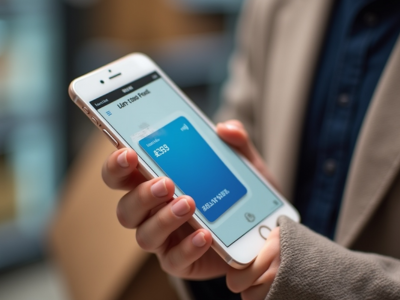
Modern customers expect financial services within the digital platforms they use daily. Embedded Finance and Banking-as-a-Service integrate payments, lending, accounts, and insurance into everyday apps. This trend is accelerating due to instant payments, open banking regulations, and improved third-party risk management.
By 2026, embedded finance is expected to handle over $7 trillion in transactions in the U.S. alone. This growth is changing how businesses make money, manage risk, and build customer relationships. It’s more than just a technical upgrade; it’s a major shift in business models.
What Is Embedded Finance and BaaS?
Embedded finance means adding financial products to platforms that aren’t banks. Banking-as-a-Service, or BaaS, lets brands use licensed bank services through APIs. Together, these models link regulated banks with digital platforms.
In the U.S., the CFPB’s Rule 1033 is a significant development. It requires banks to share customer-authorized data in a standardized electronic format, ending data exclusivity and enabling consumers to choose better embedded finance options.
Why Retail, Payroll, and Travel Apps Are Leading
Retail apps use wallets and pay-later options to increase sales. These features make checkout simpler and encourage more spending. In the EU, new instant payment rules require these transfers to cost the same as regular ones, which benefits businesses.
Payroll platforms are changing fast, adding earned-wage access and automated savings to employee dashboards. In the UK, the FCA’s Consumer Duty makes sure these features give workers fair value and clear information.
Travel apps have become super-apps for mobility, adding multi-currency wallets and insurance right when you book. The BIS says these integrated platforms are key for the next wave of payment systems. Smooth settlement is crucial for large travel payments.
Revenue Models That Work in 2026
To succeed with Embedded Finance and Banking-as-a-Service, brands need a solid way to make money. Most rely on four main revenue streams:
- Interchange and Payment Fees: Instant payments and new transparency rules are changing this space. Providers need to follow EU regulations and grow their volumes to keep profits up.
- Lending Spreads: Embedded credit in online carts depends on access to customer-approved data. Good oversight is needed to meet banking rules.
- Subscription Fees: BaaS partners earn money from compliance tools and analytics. U.S. rules now require cost controls at every stage of working with vendors.
- FX and Treasury Flows: Travel platforms make money from currency conversion. New IBAN-name checks build trust and help support the high transaction volumes needed for FX revenue.
Regulators are now actively supervising instead of just watching. To stay compliant in 2026, keep an eye on these three main frameworks.
1. EU: PSD3 and PSR
The EU is updating payment laws to harmonize rules across all member states. The new Payment Services Regulation (PSR) will apply directly in every country, reducing legal confusion and strengthening customer protection against impersonation fraud.
2. UK: Consumer Duty and Co-Manufacture
The FCA’s Consumer Duty sets high standards for retail finance. By 2026, firms collaborating to “co-manufacture” products must have written agreements that clearly define responsibilities for product governance and customer support.
3. U.S.: Interagency Third-Party Guidance
The OCC, FDIC, and Federal Reserve have released joint rules on third-party risk. These rules cover everything from starting a partnership to ending it, and they apply directly to BaaS programs and their apps.
The Human Impact: Why This Evolution Matters to You
Rather than viewing this solely as a legal chInstead of seeing this as just a legal change, think of Embedded Finance and Banking-as-a-Service as ways to solve real human problems. In 2026, it’s not only about moving money, but it’s about making daily life better for everyone. Here’s how this technology brings real value: using a payroll app can provide an instant “fuel advance” or working capital based on consistent sales data, rather than waiting for a traditional bank loan. This support keeps the business operating without visiting a physical bank.
For the Gig Worker: Uber and Lyft drivers can use “Instant Pay” to get their earnings right after a ride. By adding bank accounts to driver apps, these platforms help unbanked workers join the financial system, giving them access to debit cards and savings tools.
For the Eco-Conscious Shopper: Many ride-sharing and delivery apps now offer small carbon offset credits at checkout. API-linked finance makes it easy to calculate and settle these green payments automatically.
For the Global Traveler: In 2026, when you book a flight, your travel app can instantly give you a virtual multi-currency card and add insurance that starts when you arrive in a new country. This change turns apps into financial partners, making them a key part of daily life. When finance is easy to use, it helps both businesses and users.
Clear Answers to Common Questions
Is embedded finance allowed for non‑financial brands?
Yes. You can offer these services by working with licensed banks through a BaaS model. You must follow strict third-party risk management rules.
How do open banking rules impact adoption?
Open banking makes it easier for customers to switch and access your services. Secure data transfer reduces the friction that previously kept customers with traditional banks.
What is the first step for a new brand?
Start with a compliance blueprint. Identify your partners and ensure your systems can support the EU’s instant payment and anti-fraud requirements.
Key Takeaways: Mastering Embedded Finance Evolution
The rise of Embedded Finance and Banking-as-a-Service is a lasting change in how we use financial services. By 2026, financial tools will be built into the platforms we use every day, making it easier for travelers to buy insurance or for workers to get paid instantly.
However, this convenience depends onBut this convenience relies on trust. As the line between software and banking fades, success means understanding complex rules like the UK’s Consumer Duty and U.S. interagency guidance. Brands that focus on data privacy and clear partner roles will lead this $7 trillion market.t eliminating friction.
Success will come to those who use these tools to address real human needs while maintaining strong governance. The future of banking is not a destination but a service that meets you wherever you are.