Reasoning AI From Nvidia Is Steering Autonomous Cars Ahead
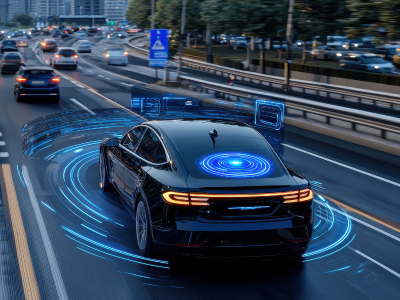
Nvidia has launched a new AI capability for autonomy called Reasoning AI. The technology emphasizes logical decision-making across complex driving scenarios. The company claims it improves safety, predictability, and operational confidence. It helps vehicles interpret context and select actions with clear reasoning.
Many current systems rely on recognition over explicit logic. Consequently, they struggle when rare situations break learned patterns. Nvidia’s Reasoning AI addresses that challenge directly with inference. Therefore, vehicles weigh evidence and consequences before maneuvering.
The system integrates perception, forecasting, and reasoning into one pipeline. Sensors feed rich data to GPU-powered compute platforms. Then, the stack analyzes traffic, intent signals, and local rules. As a result, autonomous vehicles maintain awareness and react promptly.
Moreover, Nvidia cites gains in merges and lane changes under pressure. The technology evaluates speeds, gaps, signals, and policy constraints. It then reasons through options and selects the safest path. Thus, vehicles avoid abrupt decisions and reduce conflict.
Edge cases remain the toughest autonomy hurdles globally. However, Reasoning AI reduces ambiguity through structured logic and learning. It adapts without brittle rules or constant manual tuning. Additionally, it extends better across diverse roads and cultures.
Consumer trust shapes autonomous adoption in every market. People expect reliability when unusual events unfold nearby. Yet, Nvidia believes reasoning enhances explainability and assurance. Vehicles that present clear logic may earn stronger acceptance.
Industry analysts see strategic value in Nvidia’s move. The company already leads in compute for autonomy projects. By introducing explicit reasoning, it broadens the system’s capability. Furthermore, it sets direction for rivals and partners alike.
Nvidia also points to efficiency gains from smarter planning. Better routing and anticipation can reduce total congestion. Consequently, fleets may cut energy use and emissions significantly. Those improvements align with the city’s climate and mobility goals.
The platform relies on advanced GPUs and tailored software toolchains. These components process sensor streams and reasoning cycles quickly. Therefore, decisions remain timely in fast-changing traffic contexts. Low latency supports safety margins and smoother ride quality.
Automakers will evaluate integration pathways for upcoming programs. Partnerships can accelerate testing and certification across regions. Meanwhile, pilots will measure resilience and maintenance at scale. Findings will inform broader deployments and regulatory engagement.
Reasoning serves as the core of Nvidia’s autonomy philosophy. The company argues perception needs explicit logic for safety. Vehicles must reason as constraints tighten and surroundings shift. Hence, structured inference complements learning-based predictions effectively.
Early adopters may gain durable advantages in trust and compliance. Brands that deliver dependable results will lead consumer preference. Additionally, they can differentiate based on comfort and efficient routing. The market rewards visible safety and consistent performance.
Regulators approach autonomy with evidence-driven standards and audits. They require transparency, data, and clear accountability frameworks. Because Reasoning AI supports explainable choices, oversight may be strengthened. Therefore, policy evolution can track technical progress more closely.
Global traffic grows more complex as urbanization accelerates. Consequently, autonomy demands smarter and more resilient decision systems. Nvidia’s launch addresses that needs with pragmatic reasoning features. It focuses on safer, smarter, and more responsible vehicle behavior.
As trials expand, stakeholders will review comprehensive metrics. They will analyze incident rates and near-miss reductions carefully. Moreover, they will compare reliability across climates and terrains. Rigorous validation will underpin public confidence and momentum.
Nvidia characterizes this introduction as a pivotal milestone. The company merges compute excellence with applied reasoning design. It seeks reproducible performance in unpredictable environments. Ultimately, it aims to advance safe autonomous transport at scale.
If results match expectations, Reasoning AI could reshape adoption curves. Consumers may perceive autonomy as clearer and more trustworthy. Cities may deploy fleets that move cleaner and more efficiently. In sum, Nvidia’s step may redefine the trajectory of self-driving technology.