Physical AI: Bringing Humanoid Robots into Daily Life
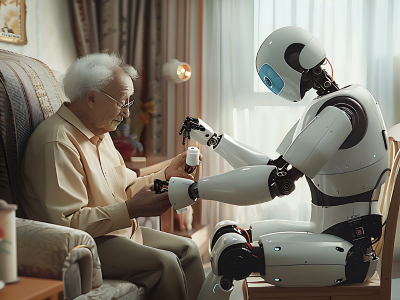
Physical AI is redefining robotics by enabling humanoid robots to think, act, and interact in human-centered environments. This technology marks the shift from static machines to intelligent partners that understand the 3D world. By 2026, Physical AI is no longer a sci-fi dream but a commercial reality. These robots combine advanced sensors, embodied intelligence, and adaptive learning to function as assistants and coworkers.
As this technology grows, robots are becoming social participants. They do more than just follow instructions; they can understand what people mean. Whether folding laundry or helping with surgeries, these machines are moving from research labs into our homes.
What Is Physical AI?
Physical AI combines artificial intelligence with robotics to make systems that exist in the real world. Unlike traditional AI, which only works on screens, this technology lets robots interact with their surroundings. Humanoid robots can sense their environment using cameras and touch sensors.
The U.S. National Institute of Standards and Technology (NIST) says these systems use Vision-Language-Action (VLA) models. With these models, a robot can hear a command like “clean the spill” and turn it into real movement. This link between digital thinking and physical action is what makes Physical AI special.
Real-World Deployments of Humanoid Robots
Humanoid robots are showing up in many places around the world. By early 2026, companies such as Tesla, 1X, and Boston Dynamics have started moving from prototypes to real-world testing.
- Healthcare: Robots help with patient rehabilitation and routine deliveries in hospitals. The NIH reports that AI-powered mobility aids are already helping patients become more independent.
- Manufacturing: General-purpose humanoid robots now work with people on assembly lines. They take on the dull, dirty, and dangerous jobs that can make people tired or put them at risk.
- Public Services: In places like airports and malls, robots greet customers and share real-time information. They use facial expressions to connect with travelers.
- Domestic Life: Household robots like the 1X NEO are starting to help with chores at home, such as unloading the dishwasher.
Ethical Questions Around Humanoid Robots
As these machines come into our personal spaces, ethical concerns are becoming more important. Governments and universities are working to set up ‘RoboEthics’ guidelines.
Privacy and Data Security: Robots gather large amounts of visual and spatial data. The U.S. National Science Foundation (NSF) highlights the need for ‘Privacy by Design.’ This means robots should handle sensitive information on the device instead of sending it all to the cloud.
Employment and Labor: While robots help with labor shortages, people worry about losing jobs. Economic reports from 2026 suggest that robots will boost human productivity instead of fully replacing workers.
Trust and Accountability: Who is responsible if a robot makes a mistake? Laws like the ‘Humanoid ROBOT Act of 2025’ in the U.S. Senate aim to set these rules. Clear accountability is important for people to accept robots.
Human–Robot Interaction Dynamics
How a robot acts in social situations affects how well people interact with it. People trust robots more when they behave consistently and follow social rules.
- Approachability: Design features such as soft facial expressions or smooth movements help make robots less intimidating.
- Natural Communication: Advanced language models let robots have natural, two-way conversations with people.
- Adaptive Learning: Robots need to learn from human feedback. For example, if you ask a robot to be quieter, it should lower its noise right away.
The IEEE/ACM Human–Robot Interaction Conference points out that social cues are important for people to keep using robots over time. People prefer robots that show politeness and understand personal space, like humans do.
Future Outlook: The Road to 2050
By 2050, billions of humanoid robots could live alongside people. Their success will rely on ongoing innovation and clear rules. Right now, we are in the ‘Utility Era,’ showing that these machines can offer real value.
In the future, robots will likely have ‘General Purpose Intelligence.’ This means a single robot could cook a meal, fix a leak, and offer companionship without needing different programs for each job.
Actionable Insights for Readers
- Stay Informed: Follow updates from the NIST and NSF to understand upcoming safety standards.
- Embrace the Change: Try joining pilot programs at work or in your community to get used to working with robots.
- Prioritize Privacy: When buying home robots, look for devices that process data locally.
- Think Critically: Think about how Physical AI could affect your field and get ready to learn new skills.
Conclusion: Embracing the Robotic Frontier
Physical AI is changing both our workplaces and our homes. In fact, these machines are becoming more than just tools; instead, they are turning into companions that share our world. As a result, while we gain more productivity and free time, at the same time we also need to think carefully about privacy and trust. Therefore, by staying involved with this technology, we can help create a future where people and robots succeed together. Overall, the move from digital helpers to physical partners is happening now, and consequently, it is reshaping what modern life looks like.