Flat Noodles Culture: A Global Journey from Pad Thai to Tagliatelle
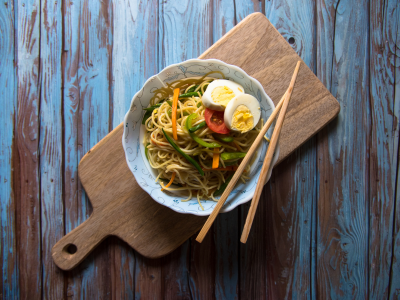
Flat noodles are more than just a culinary staple; they are a cultural phenomenon that transcends borders. From the sizzling streets of Bangkok to the rustic kitchens of Bologna, flat noodles have woven themselves into the fabric of global cuisine. This blog takes you on a flavorful journey through Flat Noodles Culture, comparing iconic dishes like Pad Thai, Chow Fun, and Tagliatelle, while sprinkling in fun facts and traditions that make these noodles truly special.
Why Flat Noodles Deserve the Spotlight
Flat noodles are beloved for their adaptability. Their broad surface clings to sauces, making every bite rich and satisfying. They can be stir-fried, boiled, baked, or even tossed into soups. But beyond versatility, flat noodles carry stories of migration, trade, and innovation. They are comfort food with a cultural twist.
Flat noodles are not just about taste; they represent heritage. Every country has its own interpretation, shaped by geography, climate, and history. Let’s explore how these noodles became culinary icons across continents.
Thailand’s Pad Thai: A Sweet and Tangy Icon
Pad Thai is Thailand’s culinary ambassador. This stir-fried noodle dish blends tamarind, fish sauce, peanuts, and lime for a perfect sweet-sour balance. Introduced during World War II, Pad Thai was part of a government campaign to promote rice noodles and reduce rice exports. Today, it’s a global favorite and a symbol of Thai street food culture.
Fun Fact: Pad Thai was created to foster national identity. Imagine a dish that doubles as a patriotic statement!
Pad Thai’s popularity lies in its harmony of flavors. The noodles soak up the tangy tamarind and salty fish sauce, while crunchy peanuts add texture. It’s a dish that balances taste and tradition.
China’s Chow Fun: The Cantonese Comfort
Chow Fun is a Cantonese classic that features wide rice noodles stir-fried with beef, soy sauce, and bean sprouts. Moreover, its smoky flavor comes from “wok hei,” the breath of the wok- a technique revered in Chinese cooking. As a result, these noodles have become a staple in dim sum menus and a go-to comfort food for many.
Fun Fact: Achieving wok hei is considered an art form. It’s not just cooking; it’s culinary theater.
Chow Fun reflects the essence of Cantonese cuisine, simple ingredients elevated through technique. The noodles’ silky texture contrasts beautifully with tender beef and crisp vegetables, creating a dish that’s both hearty and elegant.
Italy’s Tagliatelle: Elegance in Simplicity
Tagliatelle is the pride of Emilia-Romagna. These ribbon-like pasta strands pair perfectly with rich ragù sauces. Legend says Tagliatelle was inspired by Lucrezia Borgia’s golden hair on her wedding day. Romantic.
Fun Fact: Authentic Tagliatelle has a precise width, about 8 millimeters. Italians take their pasta measurements seriously!
Tagliatelle embodies Italian culinary philosophy: quality ingredients, simple preparation, and respect for tradition. Whether served with classic Bolognese or creamy mushroom sauce, Tagliatelle is a celebration of flavor and craftsmanship.
Other Global Stars
Flat noodles aren’t limited to Asia and Europe. They’ve traveled far and wide, adapting to local tastes:
- Japan: Yaki Udon offers a chewy twist on flat noodles, stir-fried with soy sauce and vegetables.
- Vietnam: Pho uses flat rice noodles in aromatic broths, creating a soul-soothing experience.
- Mexico: Fideo Seco, though not always flat, shows how noodles adapt to Latin flavors.
Each variation reflects cultural identity. From Japan’s emphasis on umami to Vietnam’s love for fragrant herbs, flat noodles become a canvas for regional flavors.
Flat Noodles Culture: A Shared Heritage
Flat noodles not only unite cultures through comfort and creativity, but they also reflect migration, trade, and innovation. In fact, from Asian wok traditions to Italian pasta artistry, these noodles consistently tell stories of resilience and adaptation. Ultimately, they serve as proof that food is a universal language.
When you enjoy Pad Thai or Tagliatelle, you’re not just eating, you’re participating in a centuries-old tradition. Flat noodles are cultural connectors, bridging gaps between East and West, past and present.
Fun Facts to Slurp On
- Noodles date back over 4,000 years, with origins traced to China.
- Italians argue pasta was born in their kitchens, not imported from Asia.
- In Japan, slurping noodles loudly is a sign of appreciation, not bad manners.
- In Vietnam, noodle soups are considered breakfast staples, not dinner dishes.
- Thai street vendors often customize Pad Thai for tourists by reducing spice levels.
Modern Twist: Flat Noodles in the 21st Century
Flat noodles are constantly evolving, and as a result, modern trends are reshaping their identity. For instance, gluten-free rice noodles, plant-based pasta, and even 3D-printed noodles are now redefining the category. At the same time, food technology is merging with tradition, which makes Flat Noodles Culture more exciting than ever. Imagine this: AI predicting your perfect noodle dish while robots roll out fresh pasta in seconds!
Meanwhile, health-conscious consumers are driving innovation. Consequently, high-protein noodles fortified with legumes cater to fitness enthusiasts. In addition, sustainability efforts are gaining momentum, focusing on eco-friendly packaging and reducing food waste. Ultimately, these changes ensure that flat noodles remain relevant in a fast-changing culinary world.
Why Flat Noodles Matter Today
Flat noodles are not just food; they are cultural connectors. They bring people together across continents and generations. Whether you savor Pad Thai on a Bangkok street or twirl Tagliatelle in Bologna, you’re part of a global tradition. So, next time you cook flat noodles, remember, you’re tasting history.