Why a Colonoscopy Can Save Your Life: What You Should Know
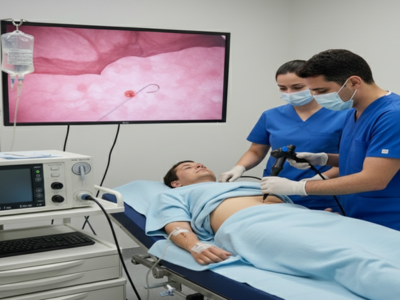
Getting a colonoscopy may seem daunting. Yet this procedure can truly save lives by catching problems early before they turn serious. Read on to understand how it works, why doctors recommend it, and what to expect if you undergo one.
What Exactly Is a Colonoscopy?
A colonoscopy uses a long, flexible tube with a light and a camera to inspect your colon and rectum. The doctor gently guides the tube through the anus into your large intestine. With real-time video, they can detect abnormalities like polyps, ulcers, inflammation, or signs of bleeding. Importantly, if they spot suspicious growths or polyps, they can remove them or take a biopsy on the spot. That makes this test both diagnostic and therapeutic; you don’t just see the problem, you fix it right away.
Why Do People Get a Colonoscopy?
Early Detection and Cancer Prevention
The most crucial reason is to screen for colon cancer or pre-cancerous polyps. Because polyps may grow silently for years, a colonoscopy can uncover them before they turn cancerous. Removing such polyps early drastically lowers the risk of developing colorectal cancer later. That preventative power places colonoscopy among the best screening tools available.
Investigating Symptoms
Doctors often recommend a colonoscopy if someone has certain symptoms. These include unexplained weight loss, persistent abdominal discomfort or bloating, blood in stool, chronic constipation, or diarrhea. Even one episode of rectal bleeding, often dismissed as haemorrhoids or fissure, should not be ignored. A colonoscopy can reveal if the cause is something beyond a minor condition.
Monitoring and Follow-up
For people with chronic bowel conditions like inflammatory bowel disease, a colonoscopy helps monitor the colon’s condition and catch any complications early. It is also used as a follow-up if polyps were removed earlier or if surgery was done for colorectal issues.
Does It Hurt? What Patient Experience Is Like
Many people worry about pain. In reality, most patients report only mild cramping or pressure if anything at all. That’s because sedation is almost always used. With proper anesthesia, many remain semi-conscious or sleep through the procedure. Most patients wake up with little to no memory of the insertion or scope movement.
After the procedure, patients commonly experience mild bloating or gas because doctors use air or CO₂ to inflate the colon for better visibility. Patients may also experience slight cramping or light rectal bleeding, especially if the doctor performed a biopsy or removed a polyp. However, these side effects typically subside within a few hours. For most people, the discomfort ends quickly, and they often go home the same day.
How the Procedure Typically Goes
- On arrival, you change into a gown and lie on your side. A nurse inserts an IV line for sedation.
- Sedation begins when you relax or drift to sleep.
- The doctor gently inserts the colonoscope through the anus and inflates the colon with air or CO₂ to see clearly on a monitor.
- The doctor inspects the entire colon and rectum. If there are polyps or suspicious tissue, either removal or biopsy happens via tools through the scope.
- The scope is withdrawn. The full procedure usually takes about 20 to 45 minutes.
- You rest in a recovery area until sedation wears off (typically within 30–60 minutes), and then you can go home the same day.
Preparing for Colonoscopy: What You Should Do
Good preparation is essential. A clean colon ensures better visibility and accurate results. Typical instructions include:
- Three days before: shift to a low-fibre diet, plain rice, curd, boiled or grilled chicken or eggs, well-cooked vegetables without skin. Avoid pulses, nuts, raw veggies, or fruits.
- One day before: switch to a soft diet. Avoid red or purple liquids (they can be mistaken for blood). After dinner, drink the prescribed laxative solution (often polyethylene glycol). This will trigger multiple bowel movements and clear out the colon.
- Day of procedure: avoid solid food, complete the second dose of laxatives 4–6 hours before your appointment, stop drinking at least 2 hours beforehand, wear loose clothing, and arrange for someone to accompany you since the medical team will use sedation.
Doctors also recommend taking the laxative cold for easier consumption, using wet wipes or petroleum jelly to avoid soreness, and scheduling the procedure when a toilet is nearby.
After the Procedure: Recovery and What to Expect
Once the colonoscopy is over, most people feel fine within hours. Immediately afterward, you may feel groggy or slightly nauseous. You’ll receive light snacks and fluids. At home, mild gas or cramps are common. Avoid driving, alcohol, or heavy exercise for 24 hours. Stick to bland foods, rice, curd, bananas, and simple meals.
Serious complications are rare, but you should contact your doctor if you experience heavy bleeding, intense abdominal pain, fever, chills, or dizziness.
Visual findings from the colonoscopy are shared immediately. If tissue was sampled, biopsy reports usually take about 5-10 days.
When Should You Think About Getting One?
Even in the absence of symptoms, many experts recommend starting colon cancer screening around age 45. If you have a family history of colorectal cancer, a history of polyps, inflammatory bowel disease, or other risk factors, doctors may advise starting earlier and possibly repeating the procedure more frequently.
If you experience any worrying symptoms such as unexplained weight loss, rectal bleeding, changes in bowel habits, or persistent abdominal pain, talk to your doctor about scheduling a colonoscopy promptly.
Final Thoughts: Don’t Ignore Screening
A colonoscopy stands out because it doesn’t just diagnose, it prevents. By detecting and removing polyps early, this procedure reduces cancer risk significantly. The process is usually safe, relatively painless with sedation, and most people resume normal life shortly afterward.
So, don’t let fear, embarrassment, or misconceptions stop you. Whether you’re in your forties, noticing symptoms, or simply want to play safe, a colonoscopy might just be the step that protects your future. Prioritize your digestive health, discuss screening with your doctor, and take charge early.