Frozen French Fries Driving the Global Convenience Food Market
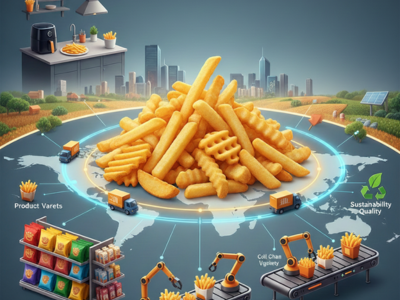
Frozen French Fries have become a defining product in the modern global food industry, representing convenience, consistency, and evolving consumer lifestyles. As urban populations grow and daily routines become more demanding, people increasingly seek foods that are easy to prepare yet satisfying. Consequently, have transitioned from a restaurant-only side dish into a household staple across continents.
Changing Lifestyles Fueling Market Growth
Modern lifestyles strongly influence the rising demand for Frozen French Fries worldwide. People balance work, family, and social responsibilities, leaving limited time for traditional cooking methods. Therefore, ready-to-cook food solutions gain popularity across age groups. It perfectly matches this demand by offering quick preparation without compromising taste or texture.
Additionally, busy households value products that deliver predictable results every time. It eliminates preparation uncertainty, allowing consumers to enjoy consistent quality with minimal effort. As a result, they fit seamlessly into everyday meal planning.
The Role of Quick Service Restaurants
Quick-service restaurants play a crucial role in the expansion of Frozen French Fries consumption. These establishments rely on standardized ingredients to ensure uniform taste, appearance, and portion control across multiple locations. It support operational efficiency by reducing preparation time and minimizing waste.
Moreover, high-volume foodservice environments demand ingredients that perform reliably during peak hours. The fries allow restaurants to serve customers quickly while maintaining consistent quality standards. Consequently, foodservice chains remain one of the strongest drivers of global demand.
Advancements in Food Processing Technology
Technological innovation has significantly improved the quality and performance of Frozen French Fries. Modern processing techniques include precision cutting, controlled blanching, and rapid freezing processes. These methods preserve the potato’s natural structure while locking in flavor and texture.
As a result, it deliver crisp exteriors and soft interiors after cooking. Consumers now experience restaurant-style results at home using ovens, air fryers, or deep fryers. Therefore, advanced processing technologies enhance both convenience and eating satisfaction.
Product Variety and Consumer Choice
The growing variety of Frozen French Fries available today attracts a wide consumer base. Manufacturers offer multiple cuts such as straight, crinkle, shoestring, wedges, and waffle fries. Each cut provides a unique texture and eating experience.
Furthermore, seasoned and flavored options address diverse regional taste preferences. This product diversity encourages experimentation and repeat purchases. As consumers seek new flavors, Frozen French Fries continue evolving to meet changing expectations.
Health Awareness and Responsible Consumption
Health awareness increasingly influences product development within the Frozen French Fries segment. While fries traditionally symbolize indulgence, manufacturers adapt offerings to align with modern dietary habits. Many fries are now suitable for air frying or baking, reducing oil consumption.
Additionally, controlled portion sizes help consumers enjoy Frozen French Fries responsibly. These adjustments allow people to balance taste with health considerations, expanding the product’s appeal to a broader audience.
Retail Expansion and Consumer Accessibility
Retail distribution plays a vital role in the widespread adoption of Frozen French Fries. Supermarkets and hypermarkets dedicate extensive freezer space to frozen potato products due to strong consumer demand. Clear labeling, appealing packaging, and simple cooking instructions influence purchasing decisions.
As freezer ownership increases globally, fries become more accessible to households. Consequently, retail sales continue rising steadily across developed and emerging markets.
Emerging Economies and Global Supply Chains
Emerging economies significantly contribute to the production and export of Frozen French Fries. Regions with strong agricultural resources and improving cold chain infrastructure support large-scale manufacturing. Access to quality potatoes and modern processing facilities enhances competitiveness in international markets.
Therefore, global supply chains become more diversified and resilient. This expansion allows Frozen French Fries to reach new regions while supporting economic growth in producing countries.
Sustainability and Waste Reduction
Sustainability increasingly shapes the Frozen French Fries industry. Freezing technology extends shelf life and reduces food waste compared to fresh potatoes. As a result, producers optimize resource utilization throughout the supply chain.
Moreover, improved packaging solutions help maintain product quality while reducing environmental impact. These efforts align fries with global sustainability goals and responsible consumption practices.
Importance of Cold Chain Logistics
Cold chain logistics remain essential for preserving the quality of fries. Temperature-controlled storage and transportation ensure safety, texture, and flavor from production to consumption. Investments in refrigerated infrastructure continue growing alongside demand.
Therefore, efficient logistics systems play a critical role in supporting global distribution and maintaining consumer trust.
Technological Automation and Industry Efficiency
Automation enhances efficiency within Frozen French Fries manufacturing. Advanced sorting systems, quality monitoring, and data-driven production processes reduce waste and improve yield. These efficiencies allow manufacturers to scale operations without compromising standards.
As a result, technology supports long-term growth, consistency, and sustainability across the industry.
Challenges Facing the Industry
Despite strong growth, the fries industry faces challenges. Fluctuating raw material prices, energy costs, and transportation expenses impact profitability. Additionally, varying food safety regulations across regions require strict compliance.
However, strategic planning and continuous innovation enable producers to manage these challenges effectively and remain competitive.
Future Outlook for Frozen French Fries
The future of Frozen French Fries remains highly promising. Urbanization, rising disposable incomes, and demand for convenience foods will continue driving growth. Innovations in flavor, processing, and healthier preparation methods will further strengthen market appeal.
Therefore, fries will remain a central component of global food consumption trends.
Conclusion
Frozen French Fries have evolved into a cornerstone of the modern food industry, reflecting changing lifestyles and technological advancement. Through convenience, consistency, and variety, they meet the needs of both consumers and foodservice operators. As demand continues rising worldwide, fries will keep shaping global eating habits and defining the future of convenience food.