How Will Transmission Planning Boost Wind Energy Growth?
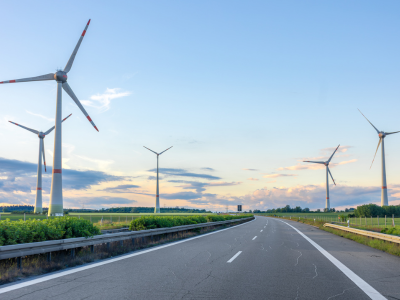
Does the wind hold the secret to our energy future? Can we really power entire cities with a simple breeze? You might see more massive white towers appearing on the hills. These spinning giants are changing how we think about electricity. We examine wind energy in this new guide. Recent policy shifts have made the news every single week. One day, federal leasing stopped across the whole country. The next day, a major court ruling changed the landscape. It is a fascinating time to watch our national grid. We will explain the permits, the progress, and the hidden potential. This guide turns complex laws into simple, human steps. Let’s explore how we can capture the power of air responsibly.
Wind Energy Basics
How does this technology actually work? It converts moving air into clean, usable electricity. Turbines capture the wind’s kinetic energy with large blades. They then feed that power directly into our national grid. You can find land-based, offshore, and distributed systems. Land-based turbines sit on open plains or hills. Offshore units stand in the ocean to catch stronger gusts. Distributed wind serves smaller sites like schools or farms. Data and maps help communities pick the best sites. Federal resources provide help with planning and workforce training. This ensures everyone benefits from a new project.
The Latest Policy and Program Headlines
Government support remains very strong in 2025. Several agencies lead the way with funding and strategy.
Federal Strategy and Funding
The Department of Energy (DOE) manages the WETO office. This office backs vital research and grid integration. Current funding supports better aerodynamics and blade recycling. Experts also look at ways to mitigate radar interference. New reports highlight the urgent need for better transmission lines. This is especially true for projects on the West Coast.
Offshore Permitting Developments
The Environmental Protection Agency (EPA) issued a major permit in January 2025. This permit covers a large project on the continental shelf. The process included many rounds of public comments. It defined strict conditions for environmental compliance. The EPA framework explains these rules clearly across regions.
National Policy Signals for Leasing
A Presidential Memorandum changed the landscape on January 20, 2025. This document temporarily stopped all new offshore leasing. Federal practices are currently undergoing a full review. The Bureau of Ocean Energy Management (BOEM) rescinded some areas in July. These moves signal a time for reassessment and planning.
Oversight and Accountability
The GAO reported on oversight gaps in April 2025. They recommended stronger consultations with Tribes and fisheries. Consistent feedback is essential for long-term project success. Engaging early reduces risks and builds lasting trust.
What It Means for Developers and Communities
There are new rules that are now impacting how we build,” he explained. “You have to keep up with the changes to stay ahead.
- Expect Robust Permitting: Offshore projects must meet the Clean Air Act. Provide full documentation for every plan.
- Track Leasing Guidance: National policy pauses may delay new sales. Existing leases usually continue under current terms.
- Plan for Transmission: Offshore wind needs proactive grid coordination. West Coast studies help identify the best paths.
- Engage Early: GAO recommends consistent outreach to local groups. Strong engagement builds trust and prevents delays.
- Use Official Tools: The DOE WINDExchange provides excellent state data. Use their maps to support transparent siting.
Land-Based Wind: Practical Wins
Land-based systems remain the backbone of American power. Taller towers and longer blades raise total capacity. This technology cuts costs for consumers and businesses. Communities weigh benefits such as tax revenue and lease payments. State maps and resource guides lead to better decision-making. Distributed systems serve farms and schools with local power. Taller towers allow turbines to reach stronger, steadier winds.
Action Tips for Local Projects:
- Strong sites can be identified from state wind maps.
- Align local ordinances with safety best practices.
- Develop community benefit agreements for equitable results.
- Plan grid interconnections early with your utility.
Offshore Wind: Read the Signals
Offshore projects provide enormous capacity close to major cities; both siting and maritime coordination need to be done very carefully. You’ve got to coordinate with the Coast Guard on safety. The radar solutions are also a huge component of the plan. The project timelines may get pushed or pulled by some policy reviews, but the technical planning should never be stopped. Clear permits and credible monitoring provide a boost to projects.
Action Tips for Offshore Planning:
- Monitor federal notices from BOEM every month.
- Track EPA OCS permitting schedules for your region.
- Prepare thorough environmental and safety plans early.
- Engage with port authorities from day one.
- Coordinate with local fisheries to avoid conflicts.
Comparing Land and Sea Progress
Land-based projects are normally set up in the plains, hills, or open land. The developers move the massive turbines via the roads already available. Such projects normally provide a cost that is lower per megawatt. They connect to the power grids quite easily.
The offshore systems work in the offshore area, which could be the sea coasts or the deep sea. These systems are giant and are built right in the sea. Although they are costlier, they produce significantly more power. The sea projects include specific sea ports and sea cables.
Measurement, Verification, and Compliance
Measurement, Verification, and Compliance. Accurate measurement establishes a strong partnership with the community. EPA standards include controls for emissions and noise. DOE tools direct wildlife observation near turbine sites. Open record-keeping assists government authorities and the community. Measure your baselines before embarking on projects, and test assumptions with actual performance results. Open sharing of findings assists in establishing a good partnership.
Technology and Research: Innovation
Federal programs fund improved blade materials. Teams are working on 90% recycling rates for turbines. This significantly reduces waste resulting from old equipment. Research also helps in the reduction of radar interference for aviation. Permit radar-friendly siting. Avail of federal grants for piloting these new technologies. Innovation makes the grid more resilient and efficient.
Conclusion: A Resilient Future Built on Air
Renewable energy plays a crucial role in a bright future. Guidelines from the government help adopt safe development. Government investment fuels innovation in turbine blades and recycling. Moments of pause allow us to also fix the problems in the way we approach leasing. It’s time for developers to concentrate on strong permitting and strong engagement. It’s easy for residents to use government tools to ensure good placement. We see real progress in land-based and offshore innovation. The rules are real; we make a better grid when we follow them. Jobs and a clean environment are generated. The energy of the winds awaits us.
Key Takeaways
- Wind energy remains central to clean power and local economic gains.
- Federal actions in 2025 paused new offshore leasing for review.
- EPA permits and DOE reports still advance responsible development.
- Use official maps, data, and guidance to build fair, resilient projects.
- Engage stakeholders early and document performance with care.