Why Herbal Skincare Products Appeal to Millennials and Gen Z
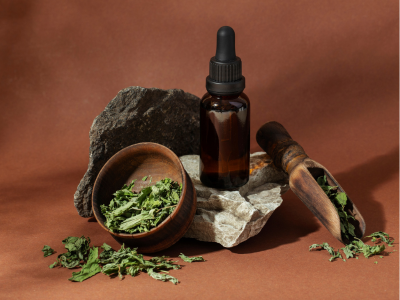
Gone are the days of aggressive chemical peels and the “scary” sounding acids of the early 2000s. Instead, a new sheriff has arrived in town. This time, the sheriff wears a flower crown and carries a vial of cold-pressed neem oil. At present, we are witnessing the Green Consumer Revolution. However, this is not just another passing trend fueled by TikTok algorithms. Rather, it represents a fundamental shift in how the world’s most influential buyers choose to spend their money. As a result, Millennials and Gen Z are no longer merely “interested” in nature. In fact, they are betting their entire wellness routines on it. Consequently, this movement has placed herbal skincare products at the very center of the global beauty industry.
But why now? Why are the generations raised on high-speed internet suddenly obsessed with ancient roots? To understand this, we must look at the psychology of the modern shopper. These consumers value transparency, sustainability, and physical results. They are ditching synthetic “quick fixes” for long-term health. They want to know exactly what is in their bottles. Most importantly, they want those ingredients to come from the earth, not a lab.
The End of the “Mystery Chemical” Era
For decades, big beauty brands sold us products with ingredient lists that looked like advanced organic chemistry exams. You needed a PhD just to understand your moisturizer. Millennials watched their parents use these synthetic concoctions. They saw the breakouts, the sensitivities, and the long-term skin damage. Consequently, they developed a healthy distrust of fine print.
Today’s younger shoppers are “skin-tellectuals.” They research everything before they buy. They use apps to scan barcodes for hidden toxins. This curiosity has created a massive demand for herbal skincare products. When a label says “Aloe Vera” or “Turmeric,” people know what that means. These ingredients offer a sense of safety that synthetic parabens simply cannot match. Natural ingredients feel less invasive. They align with a lifestyle that prioritizes “clean” living.
Sustainability as a Status Symbol
For Gen Z, a product is more than just its function. It is a reflection of their personal values. This generation experiences “climate anxiety” more than any other. They understand that every purchase has an environmental cost. Therefore, they choose brands that protect the planet.
Herbal skincare products often come with a built-in “green” story. Many of these brands focus on:
- Ethical Sourcing: Ensuring farmers receive fair wages.
- Biodegradable Formulas: Keeping chemicals out of our water systems.
- Eco-friendly Packaging: Using glass or recycled plastic instead of single-use materials.
When a Gen Z consumer buys a botanical serum, they aren’t just buying clear skin. They are buying peace of mind. They are casting a vote for a more sustainable future. This makes “green beauty” a powerful form of social currency.
The “Skinimalism” Movement
Gone are the days of the 12-step skincare routine. Nobody has time for that anymore. We are now in the age of “Skinimalism.” This trend focuses on using fewer products with higher-quality ingredients. Millennials and Gen Z want multi-functional solutions. They want one product that can hydrate, soothe, and protect all at once.
Botanicals are the kings of multitasking. Take ashwagandha or green tea, for example. These ingredients are adaptogens. They help the skin adapt to stress and environmental pollution. Instead of layering five different synthetic serums, consumers use one high-performance herbal oil. This shift saves time and money. It also reduces the amount of waste sent to landfills. By choosing herbal skincare products, consumers simplify their lives while maximizing their results.
The Power of “Skinfluencers” and Digital Trust
We cannot ignore the role of social media in this revolution. In fact, platforms like Instagram and TikTok have completely democratized skincare knowledge. Through short-form content, “skinfluencers” break down the benefits of botanical extracts in 60-second videos. At the same time, they showcase real, unfiltered results. As a result, this approach creates a level of trust that traditional television advertisements never achieved.
Furthermore, these platforms allow niche herbal brands to connect directly with their ideal audience. For example, a small brand using traditional Ayurvedic herbs can go viral overnight. Consequently, this form of digital word-of-mouth has become incredibly powerful. Most importantly, it bypasses the traditional gatekeepers of the beauty industry. Instead, younger consumers choose to listen to their peers rather than faceless corporations. Therefore, when a trusted creator recommends herbal skincare products, store shelves often clear out almost instantly.
Stress, Burnout, and Holistic Healing
Modern life is stressful. Gen Z and Millennials report higher levels of burnout than any previous generation. They are constantly “on,” tethered to their phones and jobs. This stress shows up on their skin in the form of acne, dullness, and premature aging.
Standard beauty products often treat the symptoms, but botanicals treat the “vibe.” The act of applying a lavender-infused cream or a rosewater mist is a sensory experience. It is a moment of mindfulness in a chaotic day. Many herbal skincare products bridge the gap between beauty and mental health. This holistic approach resonates deeply with consumers who want to feel good, not just look good. They view skincare as a form of self-care.
Traditional Wisdom Meets Modern Science
One of the coolest things about this trend is the “Rebrand of Tradition.” We are seeing a beautiful marriage between ancient wisdom and modern technology. Brands are taking traditional ingredients, like turmeric, gotu kola, and ginseng, and using advanced extraction methods. This ensures the ingredients are potent and stable.
Consumers love this narrative. They enjoy the idea of using “time-tested” remedies that are backed by clinical data. It feels like the best of both worlds. You get the safety of nature and the efficacy of science. This “Science-Backed Natural” category is where herbal skincare products truly shine. It proves that you don’t need harsh synthetics to see a real difference in your complexion.
What’s Next for the Green Revolution?
As we move toward 2030, the focus will shift even more toward “Personalized Botanicals.” Imagine a skincare line tailored to your specific DNA, using only plant-based extracts. We will also see more “Neuro-cosmetics.” These are products designed to improve your mood through skin-brain connections.
The era of the “one-size-fits-all” synthetic cream is over. The future is green, clean, and incredibly botanical. Millennials and Gen Z have made their choice. They are betting on the power of plants. They are proving that nature is the ultimate luxury.
Final Thoughts: Join the Revolution
The Green Consumer Revolution is more than a shopping habit. It is a lifestyle choice. It represents a return to our roots and a respect for the earth. By choosing herbal skincare products, you are supporting ethical brands. You are protecting your skin from unnecessary toxins. Most importantly, you are participating in a global movement toward wellness.
So, the next time you shop, look closer at the label. Seek out the botanicals. Your skin, and the planet, will thank you for it. After all, why use a lab-made chemical when a leaf can do the job better?