Minors’ Social Media Regulation Sparks Debate Across Australia
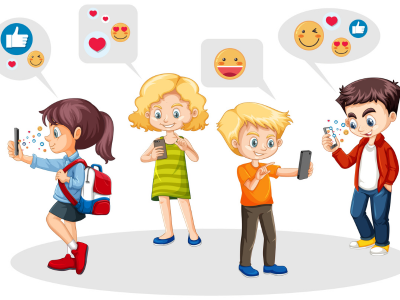
Australia has enacted a historic law restricting children under 16 from accessing major social media platforms. Government officials argue that the law is crucial to protect minors from cyberbullying, inappropriate content, and mental health risks. Here comes in Minors’ Social Media Regulation. Platforms like TikTok, Instagram, and Snapchat now require parental consent before children can register, effectively locking many out.
This measure represents a world-first in Minors’ Social Media Regulation. Authorities believe it sets a benchmark for other countries struggling with online safety. Social media companies must verify the ages of users before allowing access. Those who fail to comply face fines, lawsuits, or potential bans. Tech experts warn that implementing strict age verification is challenging, but the government stresses that child safety is the priority.
Parents have generally welcomed the Minors’ Social Media Regulation, seeing it as an essential protection. “It reassures families that children are safer online,” said a parent in Brisbane. Experts note that parental monitoring, combined with regulatory measures, helps prevent early exposure to harmful content. Many children, however, report frustration and feelings of exclusion, as they cannot access apps used by friends. Teachers observe temporary disruptions, particularly when students rely on apps for collaborative projects. Experts maintain that these difficulties are short-term and necessary for long-term protection.
As enforcement begins, social media companies face increased scrutiny. In response, TikTok, Instagram, and Snapchat are updating their age verification processes. However, cybersecurity specialists warn that tech-savvy children may attempt to bypass these restrictions. Indeed, “Kids are skilled at evading controls,” said one analyst. Therefore, regulators emphasize that collaboration with social media firms is key to the successful implementation of Minors’ Social Media Regulation.
The law also raises questions about data privacy. Companies must store age information securely and prevent misuse. Experts suggest Australia’s approach could influence global policy. “It creates an international benchmark,” said a digital policy analyst. “It could impact Minors’ Social Media Regulation worldwide.” Government campaigns also focus on educating parents and children about safe social media practices, including protecting personal data and digital consent.
Psychologists note both advantages and challenges. Limiting social media can improve sleep, concentration, and mental health. Conversely, sudden restrictions may lead to anxiety or social exclusion. Schools are encouraged to guide students through this transition. Experts predict that over time, Minors’ Social Media Regulation may help cultivate responsible and safer digital habits.
Internationally, Australia’s approach is unique. Countries like the United States and the United Kingdom are observing the law closely as they explore stricter youth online safety rules. Child advocacy groups praise the law, arguing that protection should outweigh business interests. Some tech companies express concern over compliance and costs. Global child safety organizations continue to monitor the law’s implementation.
Authorities plan an ongoing assessment of the legislation. Feedback from parents, children, and educators will inform potential revisions. Social media companies are expected to develop solutions that maintain safety without blocking access unnecessarily. Ultimately, Australia’s world-first Minors’ Social Media Regulation demonstrates a strong commitment to protecting children. Although enforcement will be challenging, the law may redefine online safety practices for young users. The coming months will reveal how children, families, and schools adapt to these restrictions.