How Fridge Magnets Became Global Tourism’s Favorite Keepsake
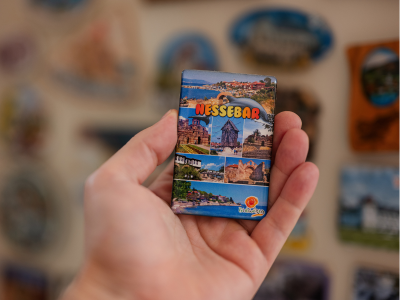
Tourists chase memories in many ways, yet one item continues to dominate the global souvenir scene. Fridge Magnets have become the beloved badge of travel, even though few travelers ever planned it that way. They sit quietly on metal doors, although they speak loudly about where we have been and what we want others to notice. Despite their small size, these tiny rectangles of delight hold remarkable cultural, emotional, and commercial significance. Understanding this rise requires a look at travel habits, consumer psychology, and the strange charm of magnets that never fall out of fashion.
The Rise of the Small but Mighty Souvenir
Every destination offers the same familiar souvenir lineup. T-shirts fade, snow globes leak, and keychains vanish. Yet Fridge Magnets remain visible and dependable. Their durability and size make them ideal for modern travelers who worry about luggage weight and airport security rules. They slip easily into bags and survive most mishandling. As a result, tourists see them as practical reminders of memorable trips.
Furthermore, many souvenir shops realized tourists wanted inexpensive keepsakes. They needed something universal and portable. Therefore, magnets fit their commercial goals perfectly. This practicality gradually helped magnets gain a competitive edge. Although magnets look simple, they carry deep meaning for travelers who want to showcase experiences.
A Global Trend That Started Quietly
The early popularity of Fridge Magnets grew because tourists needed simple items that showed clear destination identity. Designers used iconic symbols like monuments, beaches, flags, or cultural scenes. With this visual language, magnets became tiny postcards that never required stamps. They offered an easy way to display travel pride at home.
Furthermore, tourist hubs found magnets profitable because production costs were low. Shops stocked hundreds of designs, ensuring visitors found one that matched their taste. Since magnets rarely go out of style, shops also avoided major inventory risk. Over time, the magnet became a dependable revenue generator. As demand increased, the magnet earned a place in nearly every retail outlet connected to tourism.
The Psychology Behind the Magnet Obsession
Souvenirs operate on emotional triggers. People want proof of memories, and they want reminders that remain visible. Fridge Magnets satisfy this desire because the refrigerator door is a high-traffic space. Everyone passes it multiple times each day. Consequently, the door becomes a display board for personal stories.
This visibility fuels a subtle form of social storytelling. Travelers enjoy quiet bragging rights when guests see a magnet from a faraway city. It acts as a conversation starter. It also brings joy because the magnet symbolizes time away from routine. Meanwhile, the magnet reinforces identity by reminding people of who they were during their trip. This emotional resonance sustains the growing magnet market.
From Utility to Cultural Statement
Originally, magnets existed purely as functional objects. Then tourism reimagined them as creative artifacts. Today, Fridge Magnets reflect artistic styles, cultural humor, or local craftsmanship. Shops now sell magnets carved from wood, molded from clay, or printed with miniature artwork. Consequently, magnets have evolved from simple trinkets into expressions of cultural authenticity.
In many regions, local artisans produce magnets that highlight regional traditions. Tourists value these handmade pieces because they feel more personal. This shift reflects the broader trend toward authentic travel experiences. As people look for meaningful souvenirs, magnets enjoy renewed relevance.
A Perfect Fit for Digital-Age Travelers
Modern tourism often focuses on efficiency. Travelers prefer smaller bags and quicker movement. Because of tight schedules, they seek low-maintenance mementos. Fridge Magnets serve this need effectively. They weigh little, cost little, and last long. Additionally, they photograph well for social media, which gives them new life online.
Digital culture also encourages visual storytelling. People curate refrigerator doors like miniature galleries. Photos of magnets appear in posts about culinary adventures or home aesthetics. Therefore, magnets now play a role in lifestyle expression. Their portability and charm support this trend.
Why Retailers Love the Magnet Market
Retailers adore magnets for simple economic reasons. Production is inexpensive, and the profit margin is high. Because customers expect magnets at every destination, shops rely on steady magnet sales. Tourists almost always buy at least one magnet. This consistency stabilizes revenue, even during slow seasons.
Furthermore, magnets encourage impulse buying. Their placement near checkout counters increases the likelihood of last-minute purchases. Shop owners rotate designs frequently, which creates a sense of novelty. As tourists browse, they often choose multiple magnets instead of just one.
How Cultural Identity Became a Selling Point
Many destinations realized that magnets allow a simple representation of local identity. Cities or regions highlight important symbols, foods, or landmarks. These themes reinforce cultural awareness while offering tourists memorable visuals. Because designs can shift quickly, Fridge Magnets adapt to trends with ease.
For example, destinations introduce seasonal themes or limited editions. This strategy builds excitement among visitors who want exclusive collectibles. As a result, magnets act as marketing tools that strengthen the destination’s brand image. They become tiny ambassadors for cultural pride.
Souvenir Collecting as a Modern Ritual
Collecting magnets has become a widespread hobby. Many travelers enjoy documenting their journeys through a growing magnet display. This ritual connects people to their experiences in a positive way. While photos get buried in digital folders, magnets stay visible.
Furthermore, collectors find joy in the variety of designs. Some focus on countries, while others prefer iconic landmarks. Families also bond through shared collecting routines. Because Fridge Magnets suit every age, they appeal to broad audiences. This universal charm helps the magnet retain its status as the unofficial global souvenir.
Sustainability and the Future of the Magnet Trend
Although sustainability now influences purchasing behavior, magnets still hold a strong position. Some producers use recycled materials, which appeals to conscious consumers. As environmental awareness grows, magnets may evolve with eco-friendly production methods. This shift will help the trend remain relevant.
Tourists still want mementos that do not create waste. Because magnets last for years, they feel like responsible choices. Their durability also prevents rapid disposal. Therefore, magnets align with emerging values in sustainable travel culture.
From Novelty to Necessity in Tourist Culture
The world has plenty of souvenirs, yet one item consistently appears in every destination. Through practicality, affordability, emotional value, and cultural expression, Fridge Magnets achieved global dominance. While they began as small novelties, they now act as essential travel tokens.
Their rise reflects deeper patterns in tourism and consumer behavior. People want reminders that blend beauty with function. Magnets meet this need easily. Consequently, they remain popular across all demographics. As travel continues to evolve, magnets will likely keep their place on glossy refrigerator doors everywhere.
Conclusion: The Reigning Symbol of Modern Travel
The journey of Fridge Magnets from simple functional items to unofficial world travel merchandise is fascinating. They became icons through practicality, emotion, culture, and economics. Their universal appeal transcends language, age, and geography. They help people relive memories while adding charm to everyday spaces.
As long as travelers explore new places, magnets will hold their loyal position. They tell stories without using words. They capture moments without needing batteries. And they unite global travelers through a shared ritual that feels simple yet meaningful. Ultimately, magnets prove that small souvenirs can reflect big experiences.