Hookah Lounge Culture: Why Premium Smoking Lounges Win
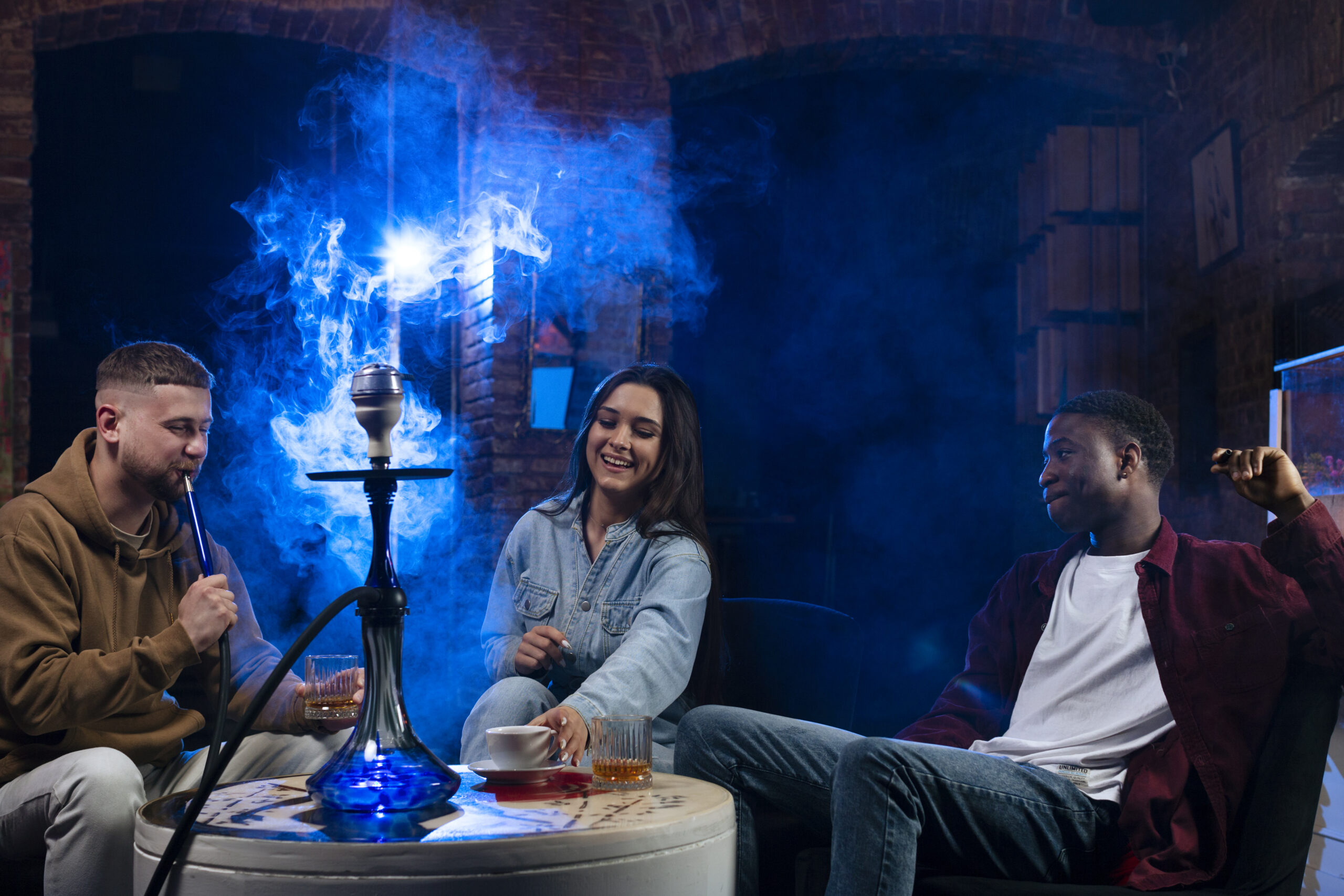
We must admit a simple, if slightly absurd, truth. Most of us pay a premium to consume a flavored smoke indoors. This is the Hookah Lounge Culture. It’s not just about the tobacco or the charcoal. It’s about the vibe. It is about the architecture. We are drawn to these specialized spaces. Therefore, we should study their design.
The modern hookah lounge design is a fascinating subject. It merges ancient tradition with contemporary leisure. It creates a powerful, specific atmosphere. This unique blend is more than simple interior decorating. It is architectural anthropology. We must examine how physical space molds social behavior. We must understand how it justifies a higher price point. The lounge functions as a modern ‘third place.’ This concept is crucial to our analysis.
The ‘Third Place’ Theory and the Rise of the Shisha Sanctuary
The sociologist Ray Oldenburg defined the third place. It is a crucial concept. It is a social environment separate from home (‘first place’) and work (‘second place’). Think of cafes, bars, or community centers. The third place is essential for community life. It fosters social interaction. Importantly, it promotes casual, spontaneous gathering.
The hookah lounge has perfectly filled this role. It is especially vital for young adults. Furthermore, the lounge offers a non-alcoholic socializing option. It becomes a sanctuary for many. They gather for conversation. They share time and stories.
Consequently, the design must support this social function. Seating is rarely isolated. Instead, you find low-slung couches. Large cushions and banquettes encourage lingering. They demand physical proximity. This arrangement inherently promotes sharing. It supports the communal ritual of the shisha pipe. The design is deliberately anti-transient. You are meant to stay a while. You must settle in. This deliberate slowing down is part of the premium value. The space sells time, not just smoke.
The Unwritten Rules: Sociological Analysis of Social Shisha
Consequently, the Hookah Lounge Culture dictates certain unwritten laws. Therefore, observing these is part of the anthropological study. To begin with, there is the rhythm of the ritual. Specifically, the coal must be managed. Likewise, the hose must be passed. In turn, this shared task creates instant, non-verbal bonding. Clearly, it’s a collective performance.
Moreover, the seating arrangement dictates hierarchy. For instance, corners and large booths are for groups. Thus, they confer status and privacy. In essence, this structure manages the flow of social energy. Furthermore, the low lighting is critical. In effect, it offers intimacy. Consequently, it creates a sensory break from the harsh outside world. As a result, the dimness enhances focus on the immediate group. Subtly, it discourages intense scrutiny. Ultimately, this reduces social pressure.
Finally, the premium hookah experience is defined by service, too. Indeed, the coal carrier is an essential figure. In fact, they are the ‘fire keeper.’ Crucially, they ensure the ritual continues smoothly. Therefore, this specialized service is factored into the cost. By and large, it elevates the experience beyond simple self-service. Nevertheless, the unwritten rule remains simple: respect the coal. Above all, don’t mess with the heat. In conclusion, you are paying for the flawless execution of this ancient routine.
Aesthetic & Ambiance: The Anatomy of Premium Design
Why do we accept the higher price? The architecture must earn it. The shisha lounge interior is meticulously crafted. It must feel exotic, yet comfortable.
The Elements of Sensory Design
- Lighting: The most crucial element is lighting. It’s almost always low. Often, it features warm, saturated hues. Think deep reds, blues, and golds. Lamps are usually decorative. They cast patterns on walls and ceilings. This creates a mesmerizing, enclosed world. It contributes to the ‘sanctuary’ feeling.
- Texture: Design uses plush, tactile materials. Velvet, leather, and heavy tapestries are common. These materials absorb sound. Consequently, the noise level is controlled. This fosters better conversation. It makes the space feel luxurious. It justifies the premium.
- Sound: Music is usually ambient. It often features Middle Eastern or low-tempo electronic beats. It should be audible but not intrusive. It provides a sonic curtain. It separates the group from the rest of the room.
- Aroma: Scent is obviously primary. The sweet aroma of the shisha is central. It becomes part of the atmosphere. The scent signals the ‘vibe’ immediately upon entry.
This sensory design strategy is deliberate. It’s experiential marketing at its core. It sells an escape. It sells a temporary, aesthetic vacation. We pay for this curated sensory bubble.
The Economic Equation: Ambiance as a Commodity
Indeed, the economic function is clear. Fundamentally, the architectural investment drives the profit margin. Therefore, lounges are not selling tobacco at retail price. Instead, they sell the ambiance, sell the space, and the social permission to gather.
To illustrate this, consider the simple math of a beverage. In a typical cafe, you pay for the drink and a simple seat. However, in the hookah lounge, the product is bundled. Consequently, the price of the pipe covers several things. Certainly, it pays for the raw tobacco, of course. Crucially, it pays for the elaborate ventilation system. Furthermore, it covers the cost of plush furniture. Moreover, it pays the staff who manage the coal. Ultimately, this entire ecosystem is subsidized by the pipe price.
As a result, the high initial investment in hookah lounge design creates a barrier to entry. This ensures exclusivity. Therefore, it prevents the space from becoming a casual hangout. In essence, the premium price acts as a filter. Specifically, it signals the seriousness of the social intent. Consequently, people don’t wander in quickly. Rather, they come with purpose. In fact, they intend to spend several hours.
Shifting Sands: The Evolution of Hookah Lounge Culture
The aesthetic is constantly evolving. Traditional decor featuring ornate lamps still exists. However, a new wave has emerged. This is the modern hookah lounge design. It features minimalist concrete and exposed pipes. It embraces industrial chic.
This shift is crucial. It shows the lounge is adapting to different tastes. It proves the market is segmenting. The young, modern consumer wants sleekness. They seek a global, rather than purely ethnic, look.
Nevertheless, the function remains the same. The focus stays on communal, comfortable seating. The light stays low. The shared ritual is preserved. This core function is non-negotiable.
The architectural anthropology reveals this deep structural necessity. No matter the paint color or chair style, the space must foster closeness. It must allow for the long, shared breath of the shisha experience. It must justify the cost.
Ultimately, we are paying for more than just smoke. We are buying membership in a temporary, designed society, the right to linger. Also, we are purchasing a meticulously crafted third place. The architects of the cloud have successfully commodified the atmosphere. They have proven that the vibe is the true luxury item. Thus, we happily pay the premium for this essential indoor escape. The Hookah Lounge Culture is thriving because it expertly sells the intangible. It sells community and comfort, beautifully packaged.