Juice Labeling, The Pulp Fiction of Brands’ Mythmaking
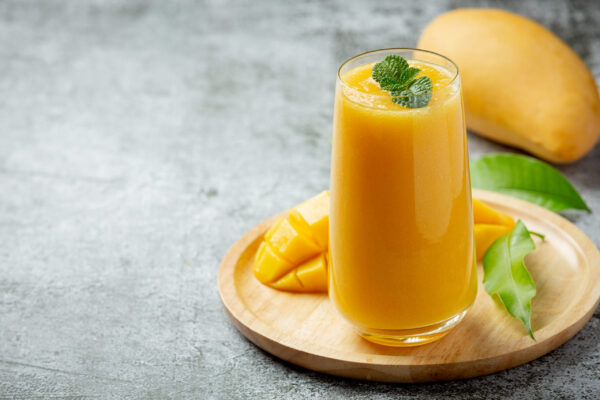
Walk down any colorful grocery aisle, and you will see serene orchards, dew-kissed fruits, and promises of pure goodness smiling at you from every bottle. Although the labels look honest, they often tell only the version of reality that marketers want you to believe. And because the beverage world thrives on perception, juice labeling has quietly transformed into a storytelling craft. It sells a fantasy much more flavorful than the product inside.
In this satirical yet serious dive, we peel back the glossy exterior to reveal how brands use labeling loopholes, strategic wording, and psychological cues to guide your choices. By the end, you may never look at a bottle the same way again. You may still drink it, of course, because fruit sugar remains delicious. However, at least you will know what you’re actually sipping.
The Art of “Almost True” Storytelling
Marketers love words that sit comfortably between fact and suggestion. So, they design labels that sound reassuring while leaving plenty of room for interpretation. This is where juice labeling becomes more fiction than fact. Take the word natural. It sounds wholesome, clean, and reassuring. Yet the term has no strict legal definition in many regions. Brands take advantage of this gap, so they use natural to describe juices with added flavors, heat processing, or fruit content that barely qualifies as fruit. Nevertheless, the word works. It triggers a warm, fuzzy feeling, so customers place the bottle in the cart without hesitation.
Then comes one made with real fruit. This phrase stands proudly on bottles that meet the absolute minimum requirement: one drop of actual fruit concentrate. Although the claim is technically accurate, the intention is far from transparent. The result is a line of products that appear healthier than they really are.
Despite all that, we still trust the label. Because why wouldn’t we? The fonts are friendly, the oranges are glowing, and the message seems heartfelt. Marketing teams know this, so they refine the craft with every passing season.
Loopholes: A Juicy Playground
Regulation tries to control the chaos. However, the wording often leaves enough space for creative interpretation. Consequently, juice labeling becomes a game of clever phrasing and selective emphasis. One of the biggest loopholes is the use of “juice drink,” “juice cocktail,” or “fruit beverage.” These terms sound harmless, but they signal that the bottle contains far less juice than you might expect. The rest often comes from sugar, additives, or water. Still, the tropical fruit on the front persuades buyers to overlook the small print on the back.
Another loophole revolves around concentrates. Many labels show fresh fruit imagery even when the product comes mainly from reconstituted concentrate. The reprocessing removes some nutrients, yet the marketing preserves the illusion of orchard freshness.
Some brands even use the phrase no added sugar to imply the product is low in sugar. Ironically, juice already contains a high amount of natural sugar. Thus, the absence of added sugar does not make it low-sugar. Yet the claim creates a health halo, so the bottle feels virtuous. Because these loopholes persist, brands keep stretching them while staying within legal limits. It is a dance between regulation and creativity, and consumers often play the role of the unwitting audience.
The Psychology Behind the Label
Brands understand that buying decisions often arise from emotion rather than logic. So, they design labels that influence intuition long before you read the ingredients. At this point, juice labeling becomes a form of subtle persuasion. Color plays a major role. Warm shades signal freshness and ripeness. Green evokes purity and health. Gold communicates premium quality, even when the contents are quite ordinary. Consumers respond instinctively because the brain processes color associations faster than text.
Shapes matter as well. Smooth curves suggest natural flow and softness. Sharp angles imply energy and bold flavors. Even the bottle shape affects perception. A slim bottle gives the impression of a healthier product, although the sugar level may tell a very different story.
Typography also works behind the scenes. Handwritten fonts create an artisanal vibe. Minimalist fonts give a sense of sophistication. Rustic fonts suggest earthiness and authenticity. All these cues operate before you even glance at the ingredients list.
Brands also use storytelling to spark nostalgia. Phrases like family-grown orchards or heritage recipes paint an emotional picture. Whether the orchard still exists or the recipe ever belonged to a family is another question. Yet the story softens the skepticism, so the consumer feels a connection rather than doubt.
The Mirage of “100% Juice.”
Consumers believe that the “100% juice” label ensures pure goodness. However, the reality is far more nuanced. Although the product must come entirely from fruit, it can still undergo intense processing. Heat treatment, filtration, and reconstitution often change taste, texture, and nutrient content. Additionally, the fruit can originate from multiple countries, so the final blend becomes a global fruit patchwork. The label does not mention that. It simply stays loyal to the phrase 100% juice, which sounds reassuring.
Moreover, flavor packs often enhance taste. These packs come from fruit byproducts, so they stay within legal boundaries. Yet they artificially restore flavor lost during processing. Although they are technically natural, the enhancement creates the sensory illusion of fresh fruit.
Consequently, even a bottle that proudly claims purity still has its own backstage production secrets. But because the label focuses on those magical three numbers, 100, consumers rarely question the details.
The Halo of Healthy Minimalism
Clean design has become a powerful marketing strategy. Many brands embrace minimalistic layouts because they evoke transparency. These designs highlight whitespace, simple fonts, and short claims. As a result, customers subconsciously trust the bottle more. Still, this trust often rests on appearance rather than substance. The product inside may contain added flavors, high sugar, or a concentrate. Nevertheless, the minimalist design suggests honesty, so customers skip the ingredient list entirely.
This design philosophy also taps into wellness culture. When consumers pursue health, they respond to items that look clean. Therefore, minimalism becomes a shortcut to credibility. It bypasses logical evaluation through aesthetic trust. Because of this effect, juice labeling continues to evolve toward cleaner and simpler designs. Yet the clarity often stops at the surface.
Reading the Fine Print Without a Magnifying Glass
Consumers can make better decisions when they know how to evaluate a label critically. Fortunately, there are simple strategies that work without specialized knowledge. First, check the ingredient list. Ingredients appear in descending order by weight. If water or sugar appears before fruit, the product tells a very different story from its front label. Next, compare serving sizes. Bottles often contain more than one serving, so the sugar count doubles or triples quickly.
Also, watch for terms like from concentrate, flavor added, or juice drink. These phrases reveal the actual composition behind the marketing. Although this extra attention takes a few seconds, it provides clarity. It frees consumers from relying solely on juice labeling cues that brands design to guide emotional decisions.
Why the Illusion Works So Well
Despite awareness campaigns, the illusion persists because it aligns with consumer desires. People want healthier choices without sacrificing convenience or taste. Juice provides a sense of nourishment, so labeling reinforces that belief. Moreover, people trust visual cues more than text. As long as labels remain attractive, customers continue to assume the best. Brands understand this psychology, so they design labels that maintain the fantasy.
Even when consumers suspect exaggeration, they accept it because the alternative requires time, evaluation, and comparison. Convenience wins because modern life demands quick decisions. So, the cycle continues. Brands create beautiful illusions. Consumers accept them. Regulation adjusts slowly. And juice labeling remains a place where creativity thrives.
Conclusion: Don’t Hate the Juice, Just Read the Label
Juice itself is not the villain. The problem lies in how information appears, how it influences perception, and how easily consumers get swept into the marketing narrative. Labels turn fruit into fiction because storytelling sells. Still, awareness helps you choose with intention.
You can enjoy your favorite bottle. Just do it with open eyes. The next time a label promises purity, picture the clever marketing meeting behind it. Smile. Then turn the bottle around and read the truth printed in tiny text.
After all, juice may be sweet, but the story behind it often tastes even sweeter.