Budget-Friendly Healthy Meals: Eat Well, Spend Less
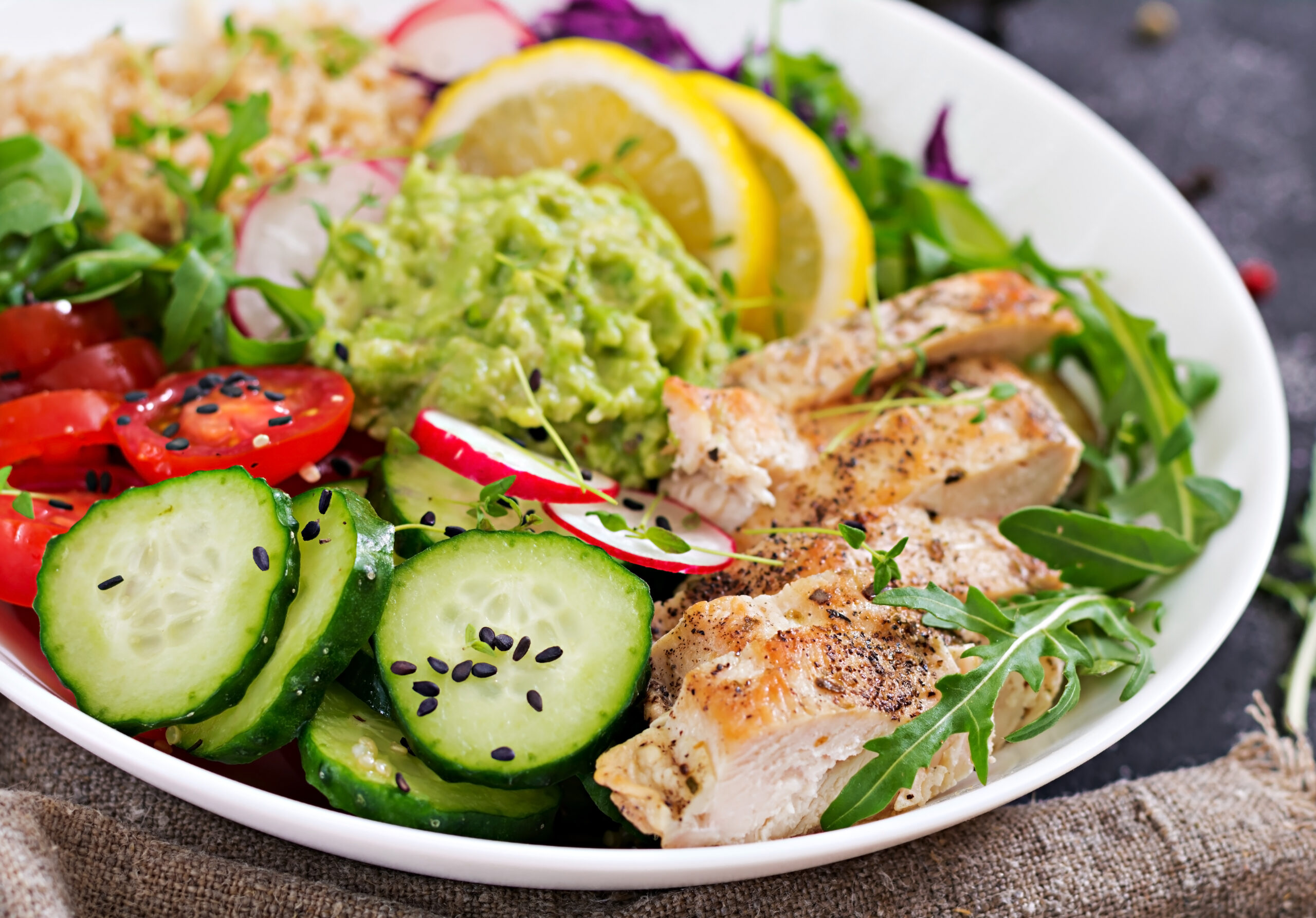
Let us face a tough truth. Indeed, grocery shopping often feels like an arm wrestle with your bank account. You want to eat well. Furthermore, you want to nourish your body with wholesome, nutritious food. However, the price tags on organic produce and specialty items can quickly make your wallet weep. Consequently, many people assume that healthy eating is an exclusive club for the wealthy. But, this is simply not the case. In fact, this guide is here to prove that theory wrong. Specifically, we will show you how to create Budget-Friendly, Healthy Meals that are both delicious and economical.
Eating well on a budget requires a smart strategy. Crucially, it demands a shift in perspective. For example, think of your kitchen as a powerful laboratory. You are an ingenious scientist. Therefore, your goal is to maximize nutrition per penny. To begin with, we will share concrete recipes and a comprehensive meal-prep guide. Ultimately, this will help you achieve your goal easily. Then, you will spend less time and money worrying about food. Instead, you will enjoy consistently good, nourishing meals.
The Fundamental Philosophy: Your Three Pillars of Savings
Creating Budget-Friendly Healthy Meals rests on three simple principles. Adopt these principles. They will revolutionize your shopping and cooking habits.
1. Embrace the Humble Legume and Grain
Firstly, prioritize your pantry staples. Legumes (beans and lentils) are true heroes of Budget-Friendly Healthy Meals. They offer complete protein and fiber. They also cost next to nothing. A bag of dried lentils costs less than a small chicken breast.
Furthermore, it yields several meals. Similarly, grains like brown rice, oats, and whole wheat pasta are incredibly cheap. They provide complex carbohydrates for sustained energy. Always buy these items in bulk. This maximizes your savings. Remember, beans and grains form the foundation of most truly economical, healthy meals.
2. Shop Seasonal and Frozen
Secondly, understand the rhythm of produce. Fresh produce is cheapest and tastiest when in season. For instance, berries are pricey in December. They are much cheaper in July. Learn what is in season locally. Plan your meals around those items. Moreover, embrace the freezer section. Frozen fruits and vegetables are flash-frozen at peak ripeness. This locks in nutrients. They are also often significantly cheaper than their fresh, out-of-season counterparts. Use frozen spinach or broccoli frequently. They work perfectly in soups and smoothies.
3. Minimize Meat and Maximize Flavor
Finally, reframe your protein intake. Meat is almost always the most expensive part of any grocery bill. You do not need large portions of meat to feel full or meet your protein needs. Try to view meat as a flavor accent. Do not treat it as the main event. Instead, focus on plant-based protein sources. These sources include chickpeas, tofu, and eggs. When you do buy meat, choose cheaper cuts. Cook them slowly. This enhances tenderness. This approach is key to consistently creating Budget-Friendly Healthy Meals.
The Master Plan: A Budget-Friendly Healthy Meals Meal-Prep Guide
Meal preparation is your secret weapon. It prevents costly last-minute takeout orders. It also ensures you always have a good option ready. Follow these steps for successful meal prepping.
Step 1: The Sunday Audit and Plan
Firstly, take inventory on Sunday morning. Look through your refrigerator and pantry. See what ingredients you already own. Then, plan your meals based on these items. Next, check the weekly store flyers for deals. Choose one or two Budget-Friendly Healthy Meals to prepare. Do not plan seven different dinners. Plan a base that you can repurpose.
Step 2: The Smart Shopping List
Never go shopping without a detailed list. Because impulse buys destroy your budget, you must stick strictly to your planned items. First, prioritize the core Budget-Friendly Healthy Meals components. Specifically, these include beans, rice, oats, and frozen vegetables. Next, buy versatile produce. For instance, carrots, onions, and cabbage work well in many dishes. Finally, remember that bulk items often save the most money per serving.
Step 3: The Assembly Line Cooking
Dedicate two hours on Sunday afternoon to cooking. This is a game-changer. Use a multi-tasking approach.
- Cook Your Grains: Start a big batch of brown rice or quinoa. This cooks mostly unattended.
- Prep Your Protein: Soak and cook a large batch of dried beans or lentils. Alternatively, bake a dozen eggs for quick breakfasts.
- Chop and Store: Chop all your vegetables for the week. Store them in airtight containers. This makes weeknight cooking much faster.
- Batch the Base: Cook one of your chosen Budget-Friendly Healthy Meals recipes fully. For example, make the Golden Lentil Soup. Portion it immediately into single-serving containers.
Step 4: Repurposing for Variety
Keep things interesting throughout the week. Eat the same base meal for two or three days. Then, slightly change it.
- Lentil Soup: Eat it as a soup on Monday. On Tuesday, thicken it with a bit of flour. Serve it over a baked potato.
- Brown Rice: Eat it as a side dish on Monday. On Tuesday, make the Black Bean Burrito Bowl with it. On Wednesday, turn it into a simple fried rice with a fried egg.
- Roasted Veggies: Eat them plain on Tuesday. On Wednesday, blend them with broth for a creamy soup.
Clever Kitchen Hacks for Maximum Value
Smart cooking involves minimizing waste and maximizing ingredients. These simple tricks will boost your savings.
- Stock Power: Never throw away vegetable scraps. Collect carrot ends, onion peels, and celery leaves. Store them in a bag in your freezer. Once the bag is full, boil them all. This creates a free, flavorful vegetable stock. This stock is perfect for your Budget-Friendly Healthy Meals.
- Oatmeal All Ways: Oats are incredibly cheap and nutritious. Use them for classic morning oatmeal. Furthermore, blend them into smoothies. Also, grind them into oat flour for baking.
- Know Your Spices: Spices transform basic ingredients. Buy frequently used spices in bulk. Cumin, chili powder, and dried oregano offer huge flavor for little cost. They make humble meals taste exciting.
- The Power of Water: Substitute water for milk in many recipes. Use it instead of pre-made broth. Always drink more water instead of expensive, sweetened drinks. This saves money and improves your health.
- Love Your Leftovers: Pack leftovers immediately after dinner. Do not let them sit out. This ensures you have a ready-made lunch for the next day. This prevents lunchtime spending.
Final Thoughts: Health and Wealth Can Coexist
You now possess the tools and the mindset. Consequently, you can successfully create Budget-Friendly Healthy Meals. However, remember this key principle. Discipline in the kitchen equals freedom in your finances. Therefore, planning and preparation are absolutely vital. Instead of viewing cooking as a chore, view it as an empowering act of self-care. Furthermore, you are saving money. In addition, you are fueling your body well. Ultimately, this is a win-win scenario for both your physical and fiscal health. To start, begin small this week. Buy some bulk lentils. Then, plan three meals around them. You will soon discover the incredible ease of eating well, even when funds are low. In the end, your wallet and your waistline will thank you immensely. Now, therefore, go forth and cook smart!