Motability Scheme Revamp Sends Luxury Cars Into the Slow Lane
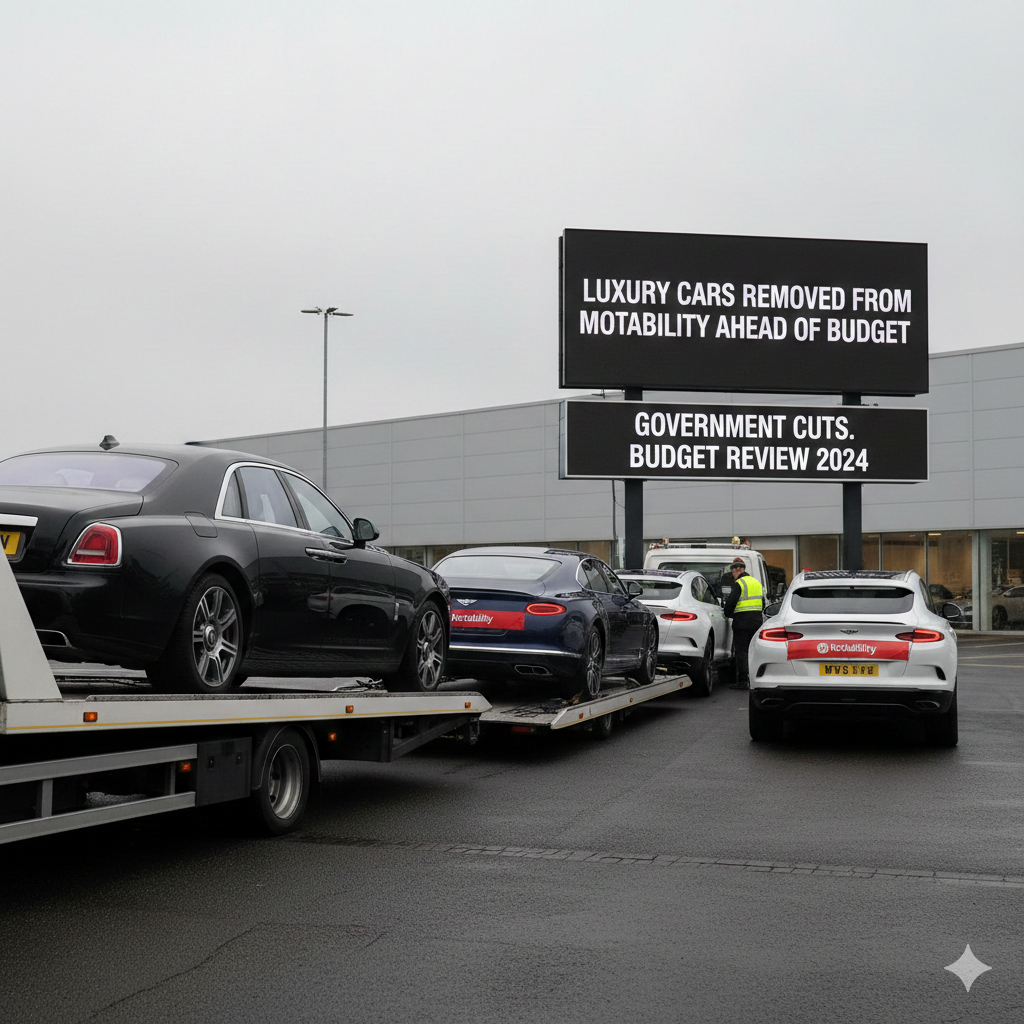
The government has decided to withdraw several luxury vehicles from the Motability scheme ahead of the Chancellor’s forthcoming budget. Ministers moved quickly because public criticism intensified around access to high-end cars funded through disability benefits. Although many claimants argued that the programme worked fairly, online discussion amplified concerns and created political pressure. Consequently, the government introduced early changes to address questions about fairness and responsible spending. Critics insisted that certain luxury vehicles far exceeded essential mobility requirements for most claimants, particularly those with non-visible conditions. Even so, supporters stressed that only a small minority selected these cars.
A series of social media posts fuelled debate by highlighting examples of expensive vehicles linked to the programme. These posts encouraged wider scrutiny and shaped public opinion. Moreover, commentators argued that stronger oversight was necessary to maintain confidence in welfare spending. However, disability advocates urged caution and warned that the debate risked unfairly judging people with invisible disabilities. They noted that many legitimate medical conditions do not present outward signs. Therefore, they called for a more respectful tone that recognised the diversity of mobility needs. The government acknowledged these concerns yet believed early action was essential to stabilise the conversation.
Officials explained that the update aimed to reinforce trust in the responsible use of public funds. They argued that the programme must balance compassionate support with prudent financial management. They also stressed that the Motability scheme would continue to offer reliable vehicles for genuine mobility challenges. Furthermore, they noted that only a small number of high-value car models would be removed. Although the practical impact was limited, the message carried strong political significance. Ministers believed that decisive action demonstrated their commitment to fairness and accountability.
The timing of the change aligned with the government’s broader economic goals. The Chancellor wants to support the British automotive industry as it faces slower demand and increased global competition. He argued that encouraging a shift away from imported luxury vehicles could strengthen domestic production. Moreover, he suggested that adjusting the Motability scheme represented part of a larger strategic effort to boost local manufacturing. Although he did not reveal specific details, he hinted at incentives for buyers who select British-built hybrid and electric vehicles. Market analysts expect the budget to include targeted tax relief, manufacturing grants, and support for low-emission technologies.
Reaction from the automotive industry varied significantly. Several luxury brands expressed disappointment about losing reliable fleet sales from the programme. They warned that reduced access could weaken their presence in the British market. Meanwhile, domestic manufacturers welcomed the change and believed it could drive interest in locally produced cars. Leasing specialists reviewed the update and predicted potential savings for the programme. They argued that removing costly vehicles could simplify procurement and reduce long-term financial risk. However, they cautioned that some claimants may require specialised vehicle features that are not available in lower-priced models.
Disability organisations responded with a mixture of concern and cautious support. They recognised the value of clearer rules but warned against reinforcing stigma toward people with unseen disabilities. Further emphasised the importance of mobility for independence, employment, and social connection. They also noted that the Motability scheme remains crucial for many people who depend on predictable and stable mobility solutions. Advocacy groups urged the government to provide clear communication so that claimants understand what changes affect them. They argued that uncertainty can create unnecessary stress for individuals managing complex conditions.
Government ministers confirmed that additional reforms may follow once a full review is complete. Although the current update addresses only luxury vehicles, broader adjustments remain possible. Nevertheless, they promised to protect essential mobility support while improving oversight and transparency. Consequently, claimants may encounter further changes after the Chancellor’s budget. Many observers now await the official announcement, which may include new measures designed to strengthen the British automotive sector. They also expect more clarity about how the Motability scheme will evolve as the government continues refining its policies on welfare and industry support.