What Makes Beer Premium? It Starts with Brewing Ingredients
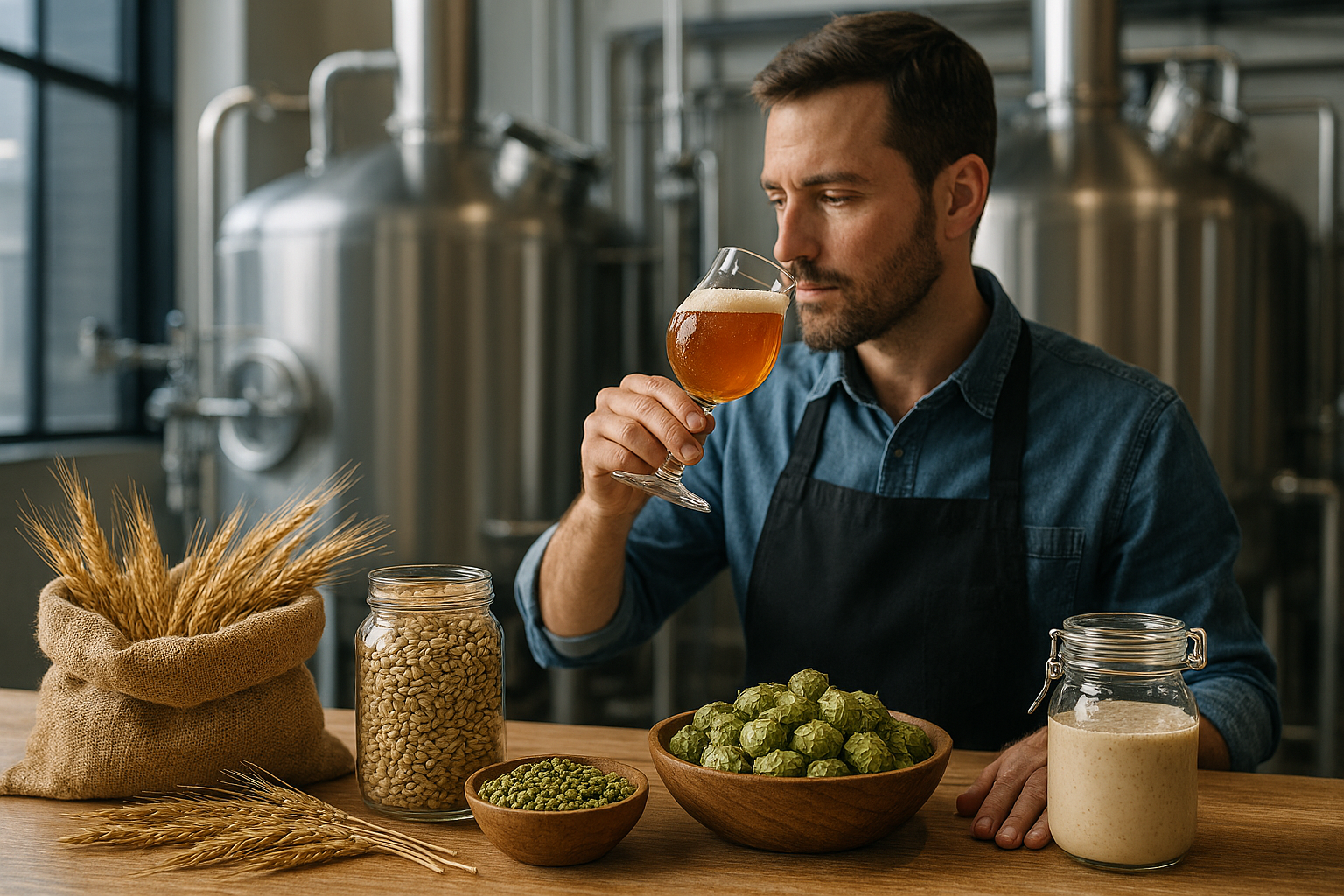
Brewing is much more than a traditional craft now. It’s actually an exciting combination of science, tradition, and efforts toward sustainability. Behind that smooth, refreshing pint lies a whole universe of innovation in ingredients. Whether it be malt, yeast, or any adjuncts, the leaders in the global industry are very much changing just what your glass will be filled with. Nowadays, brewing ingredients drive flavor creativity and lead the way in carbon-conscious production. Let’s explore these exciting breakthroughs now actively transforming the global brewing landscape.
The Soul of the Beer: Malt’s Sustainable Revolution
Malt is the irreplaceable soul of every beer. Its ongoing evolution is a fascinating journey. Major players like Boortmalt and Malteurop Groupe are leading this change. They push boundaries with specialty malts and huge sustainability projects.
Boortmalt introduced its Creative Series Infusion Malts recently. These are botanically and fruit-infused grains. They give brewers a completely new flavor palette to explore. Even more impressive is their carbon-negative malt program. They use regenerative farming and heat recovery systems. This creates malt with the smallest possible environmental footprint. Beloved Belgian icons like Delirium are already using these eco-friendly grains. This adoption sets a strong industry precedent.
Malteurop invests heavily in local sourcing. They also fund new innovation hubs globally. The newest malthouse in Mexico directly supports regional barley farmers. It also boasts of integrated, highly energy-efficient processes. Additionally, the micro-malthouses and pilot breweries inspire brewers to try new, unique malt profiles at R&D centers. Maltexco S.A. continues to be one of the leaders when it comes to specialty malts. They also offer very useful dry wort extracts for great convenience to brewers. This never compromises on a beer’s body or its final flavor.
The Heartbeat: Yeast, Science, and Precision
If malt is the soul, then yeast acts as the very heartbeat of brewing. This is where high science meets true artistry. Companies such as Angel Yeast, Lallemand, and Lesaffre are busy rewriting the rules. They offer new ways of managing fermentation.
Angel Yeast just launched BrewNutri-AZ. It is a new nutrient blend. The product optimizes the conditions of fermentation, while it works in reducing unwanted off-flavors. They are also pioneering various healthy beverage solutions. Think of flavorful non-alcoholic beers and craft hard seltzers. They tend to showcase these at large events, including Drinktec.
Lallemand Brewing created the WildBrew Philly Sour strain. This is a real game-changer for all sour beer fans. This specific yeast strain lets brewers make tart profiles naturally. It does not require using any bacteria. This simplifies the entire production process. It still helps maintain great flavor authenticity.
Lesaffre quickly scales up yeast innovation. They use advanced production facilities for this. They also make strategic industry acquisitions. Their strong partnership with ENGIE is a great example. They work together to recover wasted fermentation heat. This is a brilliant, powerful example. It shows sustainability improving efficiency.
Enzymes and AI: Technology Meets Tradition
Modern brewing is about more than just a pleasing taste. It also requires extreme precision and quality control. Rahr Corporation and Viking Malt equip brewers with key tools. These tools ensure consistency and the highest quality standards.
Rahr operates a high-tech technical center. They also run an on-site pilot brewery. They offer extensive ingredient testing and formulation support. Their new biomass-fired boiler system is a bold move. It moves them toward carbon-neutral operations.
Viking Malt offers essential carbon-footprint analysis. They provide pilot brewing services to many customers. This helps craft brewers align their practices. They meet key sustainability goals. At the same time, they perfect their own unique recipes.
New technology is also optimizing the whole process. Artificial Intelligence (AI) now helps brewers refine recipes. It enhances production precision significantly. AI systems analyze complex ingredient combinations. They look at fermentation conditions and consumer data. Brewers leverage these new insights effectively. They fine-tune flavor profiles and ensure greater consistency. AI also makes recipe creation more accessible. Small breweries can now experiment easily. Algorithms predict how changes in ingredients affect taste. This gives brewers data-driven confidence to innovate further.
The New Gold Standard: Sustainability in Ingredients
Consumers today want a lot more than great beer. They want responsible, sustainable beer options. Sustainability is no longer a simple choice. It has become a crucial competitive advantage for all.
Boortmalt’s Carbon Bank program is very innovative. It lets distributors offset their Scope 3 emissions. This makes low-carbon malt accessible to the entire supply chain. Malteurop publishes regular sustainability reports. These detail their progress in energy efficiency. They also cover their regenerative farming techniques.
Lesaffre’s heat recovery systems are notable. Cargill’s natural malt syrups also show this commitment. These examples underscore a shared industry goal. That goal is moving toward much greener brewing practices. Upcycling is also gaining huge momentum now. Brewers are turning brewers’ spent grain (BSG) into new products. This grain waste is now used for bread and dog treats. This simple process reduces waste significantly. It adds a whole new value stream to the brewery.
Pushing Boundaries: Adjuncts and Innovation
Brewers are constantly pushing the boundaries of flavor. They experiment with unique adjuncts beyond the traditional. Gone are the days of only standard IPAs. Brewers now explore exotic fruits and rare botanicals. They use a wide variety of spices, too. Sour beers have soared in popularity lately. Their tangy profiles are often enhanced. Think of additions like passionfruit and hibiscus flowers.
Barrel aging is another growing trend now. Beers aged in whiskey or wine barrels are popular. They develop complex, rich, and deep flavors. Brewers also collaborate with other industries. They partner with coffee roasters and chocolatiers. These unique partnerships create special, one-of-a-kind brews. This leads to exciting, limited-edition products. The industry is focusing on non-traditional grains as well. Rice, sorghum, and millet are used for brewing. This helps create naturally gluten-free beer options. The market is evolving to serve everyone.
The Future is Flavorful and Mindful
The consumer demand landscape is clearly changing. Consumers are willing to pay more for premium items. They value sustainable ingredients immensely. They also prefer familiar, natural ingredients. This is why brewers use natural malt syrups. They choose clean-label yeast solutions more often.
The rise of non-alcoholic (NA) beer is undeniable. Health and wellness trends drive this movement strongly. Brewers are creating impressive NA options. They use advanced techniques to remove alcohol. They do this without stripping the beer’s character or body. New maltose-negative yeast strains are a key part of this. They allow for direct low-alcohol fermentation. This saves significant amounts of both malt and energy. This method is much more sustainable overall.
From carbon-negative malt to new fermentation methods, the future is clear. Brewing Ingredients are defining a new era. This era sees sustainability and flavor innovation working together. Whether you run a small craft brewery or a huge global brand, the message is constant. The next great beer starts with the best ingredients. It starts in the mash tun. The future of beer is exciting.