Snackification: Why Mini-Meals Are Replacing Big Plates
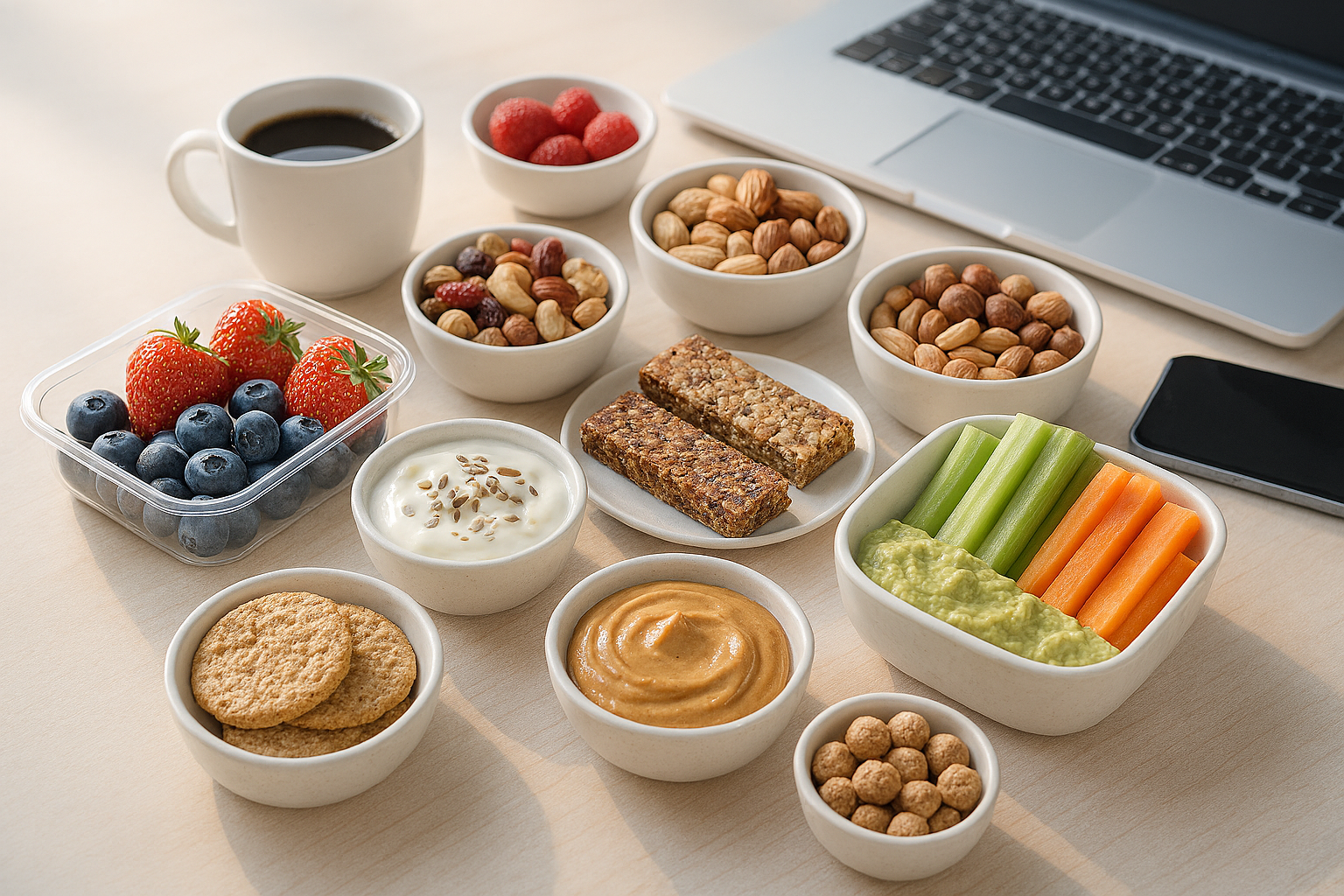
The three-square meals that once defined our daily routine are mostly gone. Today, consumers are swapping traditional breakfast, lunch, and dinner. They now prefer nutrient-rich snacks and smaller mini-portions. This big shift is known as snackification and is highly popular worldwide. It shows a move toward convenience, healthier choices, and flexible lifestyles. Why is this happening? Also, what do global health experts think about this new eating pattern?
Why Snackification Is Trending
Life moves incredibly fast for everyone today. Busy professionals, students, and families are embracing frequent, smaller eating occasions. This change is happening for several clear reasons:
- Convenience: Snacks fit easily into busy daily schedules. They do not need complex meal preparation.
- Health Goals: Mini-meals let people better control their portions. This helps manage daily calorie intake effectively.
- Variety: Consumers enjoy trying new flavors and textures. They can do this without committing to a full meal.
Market research shows snack-based eating now accounts for over 50% of daily food consumption. This major cultural shift is strongest in urban areas.
What Health Experts Say
The shift toward snackification is not unhealthy by default. It benefits you only if it is done correctly and mindfully. Leading health organizations provide very clear guidelines for consumers. They ensure that all snacks meet necessary nutritional standards. This key group includes the WHO, FDA, and FSSAI.
WHO’s Healthy Diet Benchmarks
The World Health Organization (WHO) focuses strongly on several key nutritional points:
- Free Sugars: Keep them below 10% of total daily energy. Ideally, stay below 5%.
- Total Fat: Maintain it under 30% of energy intake. Saturated fats should be less than 10%.
- Salt Intake: Consume less than 5 grams of salt per day total.
- Fruits & Vegetables: Aim to eat at least 400 grams of these daily.
These tips guide consumers toward better snack choices. They promote options rich in whole grains, nuts, and fresh produce.
FDA’s Push for Smarter Snacking
The U.S. Food and Drug Administration (FDA) is simplifying things for shoppers. They make it easier to find truly healthy snacks quickly:
- FOP Labels: Standardized icons help highlight nutrient-rich products right away.
- Updated “Healthy” Claim: Effective April 2025, snacks must meet strict nutrient rules. This is required to use the “healthy” claim on the package.
- Consumer Engagement: Most Americans check nutrition labels today. They focus on calories, sugar, and sodium content.
The FDA also warns people against misleading claims. Phrases like “fortified” can make poor snacks seem beneficial.
FSSAI’s Role in India
The Food Safety and Standards Authority of India (FSSAI) promotes reading food labels. They run helpful campaigns like “Har Label Kuch Kahta Hai.” Key initiatives have been very effective:
- Nutrition Panels (NIP): These panels are mandatory on all packaged foods now.
- Menu Labeling: Calorie counts are required at large food outlets. This encourages smaller, healthier portion choices.
- Stricter Standards: Safety and transparency are guaranteed for imported snack products.
These efforts empower Indian consumers to make informed choices. This is vital as snackification grows rapidly there.
The Upsides of Snackification
There are several really great benefits to adopting this flexible eating style.
- Better portion control: Mini-meals frequently prevent overeating at once.
- Nutrient Optimization: Eating small, frequent meals can give you all-day energy.
- Flexibility: This style is perfect for the busy and on-the-go lifestyle. It works well for various diets.
- Variety & Enjoyment: Consumers can easily try new flavors and different cuisines regularly.
Challenges to Watch For
Despite all the promise, some issues still require careful attention.
- Hidden Sugars & Fats: Many available snacks are very high in calories but low in nutrients.
- Marketing Pitfalls: Misleading “healthy” claims can greatly confuse unwary consumers.
- Regulatory Alignment: Brands must follow evolving global standards for all their products.
How to Snack Smart
Making good choices is simple if you follow these basic steps.
- Read Labels: Always check the calories, sugar, sodium, and serving size first.
- Choose Whole Foods: Pick fresh fruits, healthy nuts, seeds, and whole-grain snacks.
- Limit Processed Items: Avoid any snacks that are high in added sugars or trans-fats.
- Balance Nutrients: Combine protein, fiber, and healthy fats. This mix will keep you satisfied.
2030 Snack Predictions
Snackification is a trend that is clearly here to stay. FDA’s labeling reforms and WHO’s global nutrition goals guide this change. FSSAI’s consumer education makes the market transparent and healthier. We should expect to see exciting new developments soon:
- Functional Snacks: These will be fortified with probiotics and useful plant proteins.
- Portion-Control Packs: These are specially designed for calorie-conscious consumers.
- Clean Labels: Products will feature minimal ingredients and clear nutrient details.
Wrapping Up
Snackification shows a major lifestyle move toward health and convenience. This trend is strongly supported by global nutrition guidelines. It creates opportunities for both consumers and food companies. Just remember this rule: snacks must be nutrient-rich and marketed honestly to everyone. As the WHO constantly reminds us, balance is the most important thing. Snacks should always complement, never compromise, a truly healthy daily diet.