Home Theater Projectors: The Chic Home Luxury Upgrade
The modern home is changing. Living rooms now double as lounges, conference spaces, and cinematic retreats. While big-screen TVs once ruled these spaces, a new contender has arrived. And it is dazzling, dramatic, and a little bit indulgent. Yes, we are talking about home theater projectors. They are no longer fringe gadgets for the tech-obsessed. Instead, they have become quiet symbols of cultural taste, lifestyle aspirations, and premium entertainment habits.
But how did a device that once hummed in dusty classrooms become a badge of luxury? The answer blends technology, psychology, and a surprising amount of social signaling.
Let’s explore why home theater projectors are rising, and why homeowners increasingly treat them as lifestyle trophies rather than simple display devices.
The Upscale Shift in Home Entertainment
Home entertainment has always reflected social trends. First, it was the stereo system. Then, it was the flat-screen TV. Now, the climb toward more immersive experiences has pushed people to upgrade again. And home theater projectors offer something that TVs simply cannot match: scale.
The massive screen size creates a sense of occasion. It turns a random Tuesday night into an event. Additionally, it transforms a spare wall into a portal for films, games, live sports, and even art. People feel a little more sophisticated when their home looks like an intimate cinema. That feeling, as it turns out, drives many purchasing decisions.
Even better, the modern projector does not demand bulky installation. Instead, it arrives in a sleek, minimalist form. Therefore, it blends with contemporary decor rather than competing with it. As homes become more curated, this aesthetic advantage matters more than ever.
When Technology Becomes a Lifestyle Choice
Technology often starts as a utility. Over time, it becomes an identity marker. We witnessed this shift with smartphones, smart speakers, and even coffee machines. Now, it is happening with home theater projectors.
Consumers do not buy projectors only for brightness or resolution. They buy them because the device signals a refined relationship with leisure. It says, “I do not just watch things. I experience them.” That shift from watching to experiencing is at the center of this trend.
Moreover, projectors serve as conversation starters. Guests notice them. People ask questions. Everyone wants to try them. A large-screen TV rarely gets the same reaction anymore. Because of that, projectors offer a subtle form of social prestige. The device becomes a symbol of taste, not extravagance.
Bigger Screens, Bigger Statements
Size matters in home entertainment. A 120-inch projection does not whisper luxury. It shouts it. Yet, it does so with elegance rather than flashiness. After all, the screen appears only when needed. When it hides, the room looks clean and open. This flexible luxury appeals to homeowners who want comfort without visual clutter.
Additionally, larger screens immerse the viewer more deeply. They create scale and depth that even the most expensive televisions cannot match. So, homeowners who want cinematic energy in their space gravitate toward home theater projectors.
Even better, projectors now produce vivid colors and sharp details. Laser light sources last over a decade. And ultra-short-throw designs fit snugly against the wall. Therefore, users enjoy big-screen splendor without the old hassles of dark rooms or ceiling mounts.
How Minimalism Amplifies the Trend
Minimalist living has spread like wildfire. People want calmer spaces and cleaner lines. Since projectors hide when not in use, they suit minimalist design ideals. A blank wall becomes art, a backdrop, or a canvas for entertainment. As a result, the device appeals to both tech enthusiasts and design lovers.
Interior designers now recommend home theater projectors for modern builds and renovations. They appreciate that these devices avoid the “big black rectangle” problem that TVs create. So, the rise of aesthetic living has fueled the rise of projectors too.
Projectors Fit the Hybrid Lifestyle
Even after the world reopened, hybrid lifestyles stayed. Homes still function as offices, gyms, and entertainment zones. And home theater projectors support this shift beautifully.
People use them for work presentations, yoga videos, gaming, and relaxing visual displays. The same wall adapts to a dozen purposes. That flexibility makes projectors ideal for smaller homes and multi-use rooms.
Furthermore, many models are portable. You can move them to the bedroom, terrace, or backyard. Because of that, people feel like they get multiple experiences from a single device. And this sense of versatility increases the value perception.
Outdoor Living Has Become a Luxury Layer
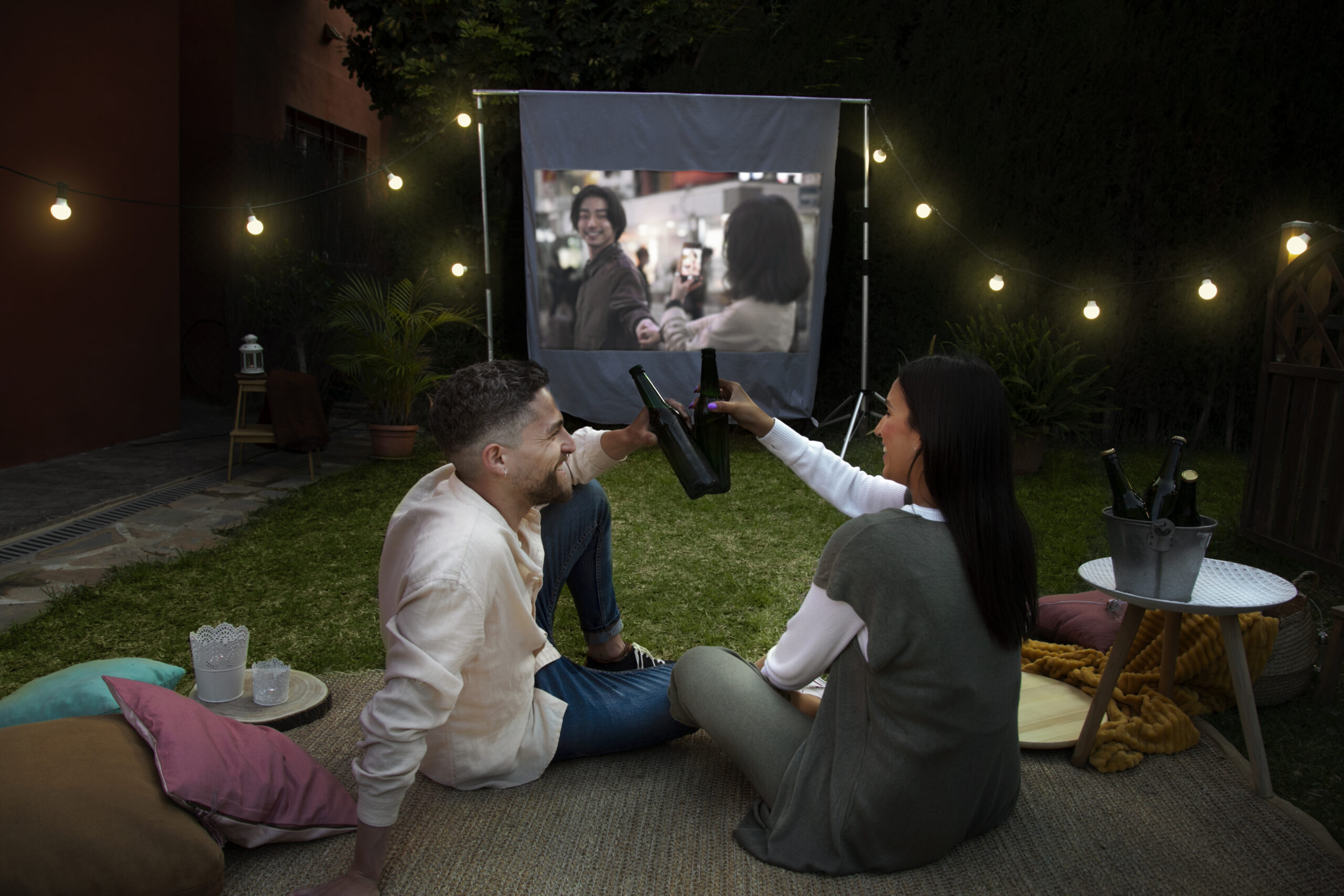
Outdoor living skyrocketed in recent years. Patios, rooftops, and gardens have become extensions of the home. Now, families bring cinema nights outside too. The trend of cozy outdoor screenings has become a hallmark of upscale living.
Home theater projectors make this possible. A sheet, wall, or inflatable screen is enough. Add string lights and blankets, and you create a premium experience without extra construction. This blend of technology and outdoor relaxation feels aspirational. And it gives homeowners another reason to invest.
The Social Currency of “Experience Ownership”
We now value experiences more than things. People would rather buy memories than objects. But what happens when a device delivers both? That is where the projector shines.
The ownership of home theater projectors lets people curate unforgettable experiences on demand. Movie nights feel special. Game nights feel electric. Sporting events feel grand.
Furthermore, posting a cozy home-cinema setup on social platforms signals taste and lifestyle awareness. The projector becomes a backdrop for personality-driven content. That subtle social currency boosts its desirability even more.
Affordability Is the Quiet Catalyst
Projectors once cost more than a small vacation. Now, many offer premium quality at accessible prices. Consumers compare these costs to large TVs and realize they gain far more screen real estate for similar budgets.
Even laser models, which were once prohibitively expensive, have become friendlier to the wallet. So, buyers who want luxury without guilt find home theater projectors irresistible. The device feels premium but not irresponsible.
Brands Sell Stories, Not Devices
Manufacturers now understand that they sell aspiration, not hardware. Their marketing highlights lifestyle scenes rather than specifications. We see families laughing in glowing rooms, see minimalist apartments with floating screens, and see backyard gatherings under romantic lighting.
This emotional framing positions projectors as lifestyle upgrades rather than tech purchases. As a result, customers imagine themselves living those moments, and the desire grows stronger.
Why This Trend Isn’t Going Anywhere
The market for home theater projectors continues to grow because the underlying forces are long-term. Homes will keep evolving. People will keep craving immersive experiences. Aesthetic living will keep gaining momentum. Because of that, projectors now sit at the intersection of technology, design, and personal expression.
Additionally, innovations arrive every year. Brighter lasers, sharper resolutions, smarter interfaces, and quieter fans make the devices even more appealing. As technology gets better, the cultural value rises too.
Final Thoughts: A Projected Future
The rise of home theater projectors tells a bigger story. It shows that people want richer experiences at home. It reveals that technology has become a personal statement. And it proves that luxury does not need to be flashy. Sometimes, it is as simple as turning off the lights and watching a wall transform.
So, while the popcorn may not be included, everything else in this trend points to indulgence, identity, and innovation. The projector is no longer a niche gadget. It is a contemporary status symbol, one that projects not only images but also lifestyle ideals.