Trauma Care at Home Undermined Makes Women Fly Overseas
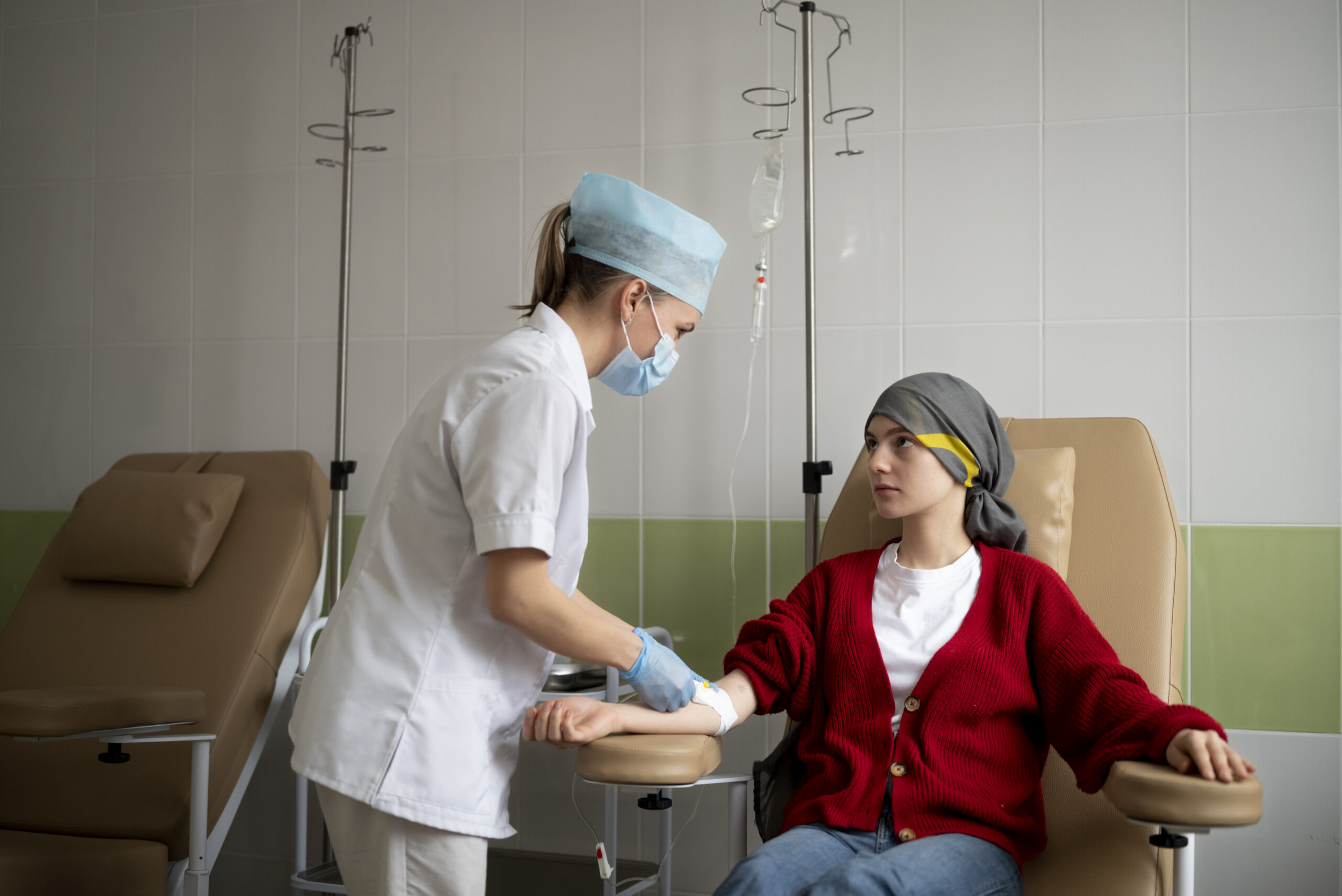
A rising number of women now travel to foreign countries to heal from emotional wounds that their own communities overlook. They carry stories of long-term stress, abuse, and neglect. Moreover, many discover that local services remain outdated or inaccessible. Because these conditions persist, women feel forced to look elsewhere for support. This trend highlights the global shortage of safe, affordable, and responsive Trauma Care.
Women describe repeated struggles when seeking help at home. They often wait months for appointments, only to find overworked therapists with limited time. Many professionals lack advanced training for complex trauma. Public clinics operate with reduced budgets, and private treatment costs stretch far beyond many household incomes. Therefore, women face continuous obstacles. Cultural norms add further challenges. In many families, emotional pain remains a taboo subject. However, survivors need conversations free from judgment. When women speak about their experiences, they often meet disbelief or criticism. Consequently, they withdraw and lose opportunities for proper Trauma Care.
Women who travel abroad find healing spaces designed with intention and care. Many international centers blend therapy, meditation, nutrition, and physical treatments. Additionally, staff members usually train extensively in survivor support. As a result, women feel welcomed rather than dismissed. Privacy plays another key role. Traveling allows them to step away from local stress, unhealthy relationships, and familiar triggers. Therefore, retreats abroad give women uninterrupted time for rest and reflection. Many describe these programs as a turning point in their recovery. In these foreign environments, Trauma Care becomes structured, personalized, and deeply supportive.
Economic dynamics also encourage this movement. The global wellness industry continues to grow, and many countries promote themselves as healing destinations. They offer retreat packages that combine therapy, housing, meals, and group activities. Although these programs appear luxurious, they often cost less than private therapy back home. Consequently, travel becomes the more practical option. However, this trend highlights serious inequality. Women with financial security can travel for help, while those with fewer resources remain unable to access services. Some centers even exaggerate their achievements. Therefore, experts call for stronger regulations to protect vulnerable women searching for credible Trauma Care.
Women returning home frequently share transformative experiences. They describe skilled professionals who listen carefully and encourage honest communication. Additionally, they value the predictable schedules that guide their daily routines. This structure allows them to rebuild emotional stability and develop healthier habits. Consequently, many return feeling stronger and more prepared to face daily life. Yet recovery continues long after the foreign retreat ends. Without ongoing support, early progress may diminish. Therefore, many centers link participants with local therapists who help sustain their growth. This collaboration creates a global network that strengthens the long-term effectiveness of Trauma Care.
Experts emphasize that relying on foreign retreats cannot solve the underlying problem. Domestic systems must address the deficiencies that push women to seek help outside their borders. Communities need more trained professionals, updated treatment strategies, and affordable services. Moreover, public campaigns should reduce stigma so women feel comfortable asking for help early. Investment in community-based programs can remove barriers because these programs are easier to access and better suited to diverse cultural needs. Therefore, building stronger local systems will protect future generations from repeating these patterns.
Women should not need to leave their own countries to find healing. However, many still travel because their home fails to meet their needs. Addressing this crisis requires government action, financial support, and widespread compassion. With better resources and improved awareness, communities can finally provide the Trauma Care women have sought for far too long.