Chinese Brands Boost Electric Vehicle Sales in Region
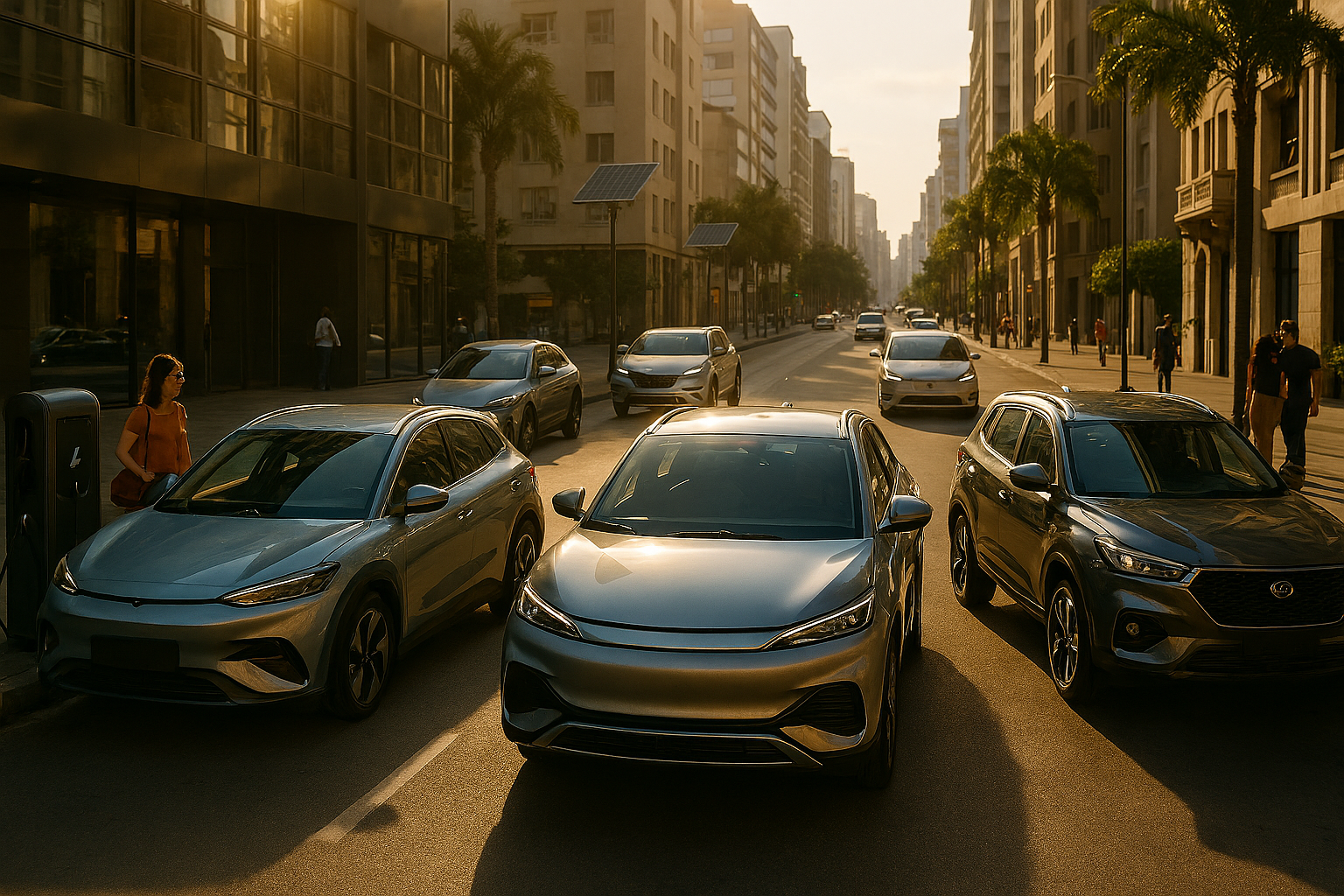
New Delhi, India, November 18- Electric vehicle sales are booming in South America, and the shift is happening without Tesla leading the charge. Instead, Chinese automakers are transforming the market with affordable prices, strong supply chains and fast-growing dealership networks across the continent. Their rise has reshaped how countries buy, import and even manufacture cars, creating one of the most surprising auto trends of the decade.
Electric vehicle sales are booming in South America as more buyers turn to Chinese brands offering lower prices and easier access. This trend stands out because Tesla still has no formal presence in key markets like Peru, yet electric mobility keeps gaining ground. The change has opened new opportunities for drivers, dealers and renewable energy market.
In 2019, Peruvian entrepreneur Luis Zwiebach wanted a Tesla Model 3. Tesla had no importer, and Peru’s import rules made the process nearly impossible. He refused to give up and bought a used Model 3 from a private owner. Charging the car was the next challenge. He tried powering it at a beach house, but the system lacked proper grounding. A simple metal fork pushed into the soil fixed the issue and got the car charging.
Now, the situation in Peru looks very different. Drivers no longer need to travel abroad or hunt for second-hand Tesla models. Chinese companies such as BYD, Geely and GWM have flooded the market with electric and hybrid options that cost far less than a Tesla. Prices often drop to around 60% of Tesla’s cost, and major brands like Toyota, Hyundai and Kia have also expanded their offerings.
Chinese automakers gained momentum after the opening of the Port of Chancay. This massive Chinese-built megaport, north of Lima, cut shipping times across the Pacific. Its opening came as Chinese manufacturers faced growing trade restrictions in the United States and Europe. They reacted by expanding aggressively into South America.
EV sales remain a small part of Peru’s total auto market, yet interest continues to rise. Between January and September, Peru registered a record 7,256 electric and hybrid vehicles. This figure represents a 44% jump from last year. Zwiebach said demand grows every day, encouraging him to expand his renewable energy business. He now installs chargers, solar panels and energy-saving elevators for homes, universities and shopping centers.
Chinese brands face heavy competition at home, where price wars and oversupply are major issues. As a result, they ship more vehicles overseas. Analysts say South America, the Middle East and Central Asia have all become key export markets for this extra supply.
The impact is easy to see in Chile, where Chinese brands reached almost 30% of all passenger car sales earlier this year. Dealers in the region say Chinese automakers gained trust by partnering with reliable local importers and offering affordable cars shaped to local preferences.
Uruguay shows the shift most clearly. BYD is now the third-largest seller in the country, behind Chevrolet and Hyundai. Chinese brands hold 22% of the market, more than double their share in 2023. Dealers say Chinese models win customers with low prices and flexible credit options from local banks. A BYD electric car in Uruguay starts at around $19,000, making it far cheaper than many traditional brands.
The Port of Chancay has become a major entry point for these vehicles. Each ship brings up to 1,200 cars, and Peru’s customs data shows a sharp rise in monthly arrivals. Many cars travel on to Chile, Ecuador and Colombia. China’s Chery brand uses this corridor to boost deliveries across the continent.
Brazil has reacted differently. It has a larger local industry, and Chinese imports create tension. To compete, Chinese firms like BYD and GWM have begun building local factories. Brazil also restored import duties on foreign EVs, which will reach 35% by mid-2026. Even with tariffs rising, China continues sending huge volumes of cars to Brazil.
South America still faces challenges. For instance, charging networks remain uneven, and long-distance travel can be difficult. Nevertheless, Zwiebach believes the benefits outweigh these barriers. After all, the cars cost less to run and require far less maintenance, making them a practical choice for many drivers.
Electric vehicle sales are booming in South America because Chinese brands moved quickly when the region needed affordable options. Consequently, their presence has reshaped the industry, and as a result, the momentum now shows no sign of slowing. Moreover, this shift is encouraging other automakers to reconsider their strategies in the region.