UK-China Tech Collab Shift Cuts Satellites and Robotics Work
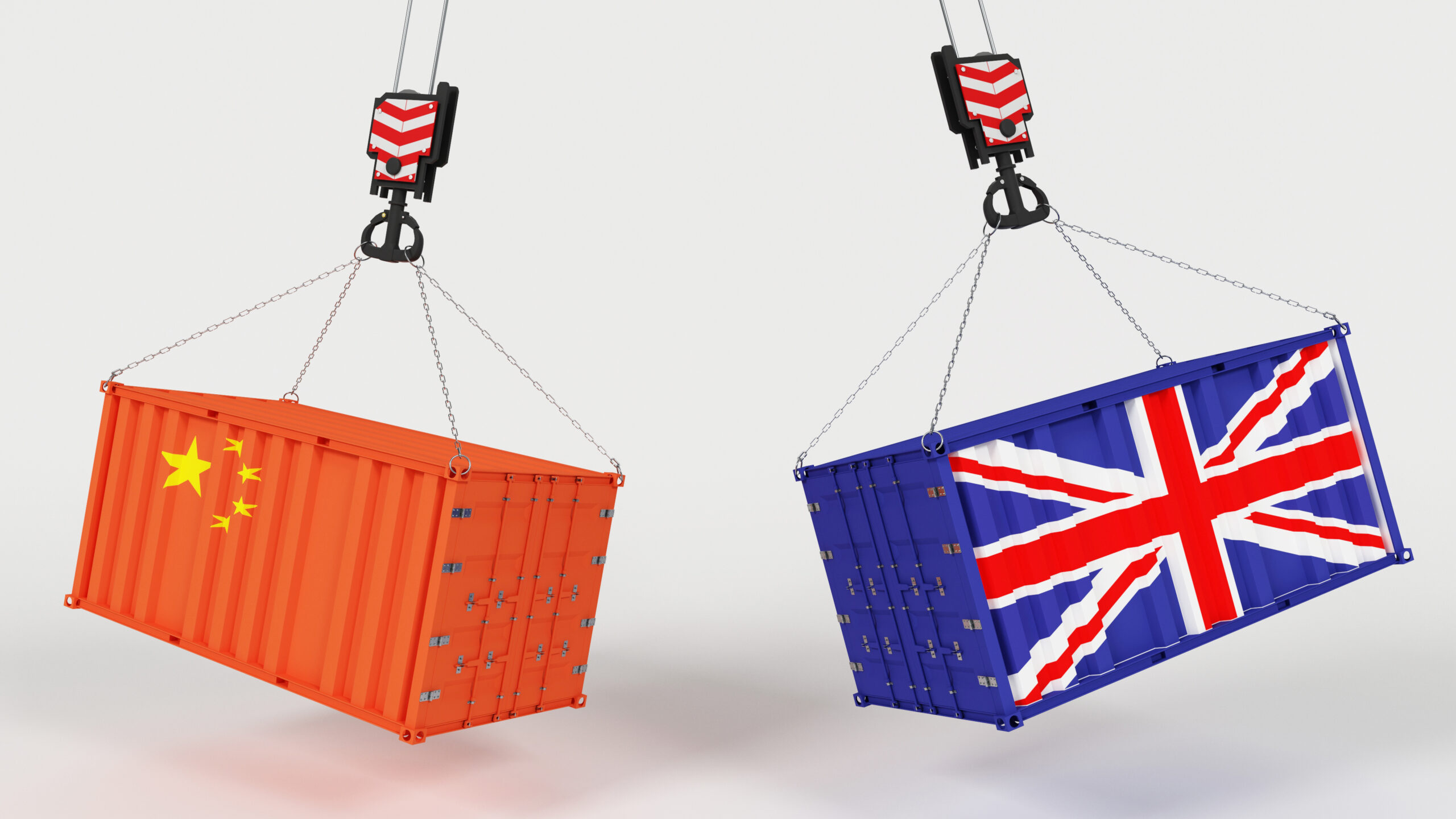
The United Kingdom has reshaped its scientific partnership with China through a refined UK-China Tech Collab, designed to limit exposure to sensitive technology. The government reduced cooperation in high-risk sectors such as satellites, advanced robotics, and remote sensing. Although this adjustment narrows long-standing ties, it preserves cooperation in fields considered vital for global progress. Therefore, the UK seeks a balanced approach that supports innovation while protecting national security.
Science Minister Patrick Vallance stated that China remains an important partner in global research. Nevertheless, he explained that the UK must act cautiously when dealing with areas tied to strategic capability. For this reason, the updated plan directs collaborative efforts toward agriculture, environmental studies, planetary science, and health research. These domains carry fewer risks and promise shared benefits. Consequently, the UK-China Tech Collab becomes more focused and controlled.
In contrast with earlier agreements, this new approach does not include major financial expansions. Previous partnerships introduced large funds for joint research, but the current announcement offers only modest support. Officials believe that funding should go toward safe and clearly defined projects. Hence, the revised model reflects discipline rather than disengagement.
Security considerations heavily shaped the decision. Dual-use technologies create concern because they can support both civilian development and military operations. Robotics, satellite networks, and sensing systems fall directly within this category. To avoid misuse, the UK chose to remove these sectors from the UK-China Tech Collab. Even with the restrictions, the government encourages cooperation in fields that present low vulnerability and high public benefit.
Internationally, many nations have adopted similar policies. They fear unauthorized technology transfer and unintended strategic dependence. The UK’s shift mirrors these global patterns. Still, leaders emphasize that they are not retreating from scientific engagement. Instead, they are adopting a disciplined framework that respects security while supporting discovery. They hope this approach allows safe innovation without unnecessary risk.
Responses from China conveyed a mix of acceptance and caution. Chinese representatives acknowledged the UK’s position while urging continued dialogue. They argued that global challenges require joint scientific solutions. Even though sensitive areas now sit outside the UK-China Tech Collab, China still prefers cooperation where objectives align. Some officials suggested that future conversations should address artificial intelligence, energy research, and digital science.
Meanwhile, opinion within the UK remains divided. Some analysts worry that limiting cooperation could slow the nation’s advancement in frontier technology. Robotics and satellite engineering play crucial roles in economic and scientific competitiveness. Restricting collaboration might create innovation gaps. However, government figures counter that the new policy supports responsible progress. They argue that the updated UK-China Tech Collab ensures scientific growth while avoiding strategic vulnerability.
The UK continues to strengthen screening procedures for international research. Advisory teams help institutions evaluate risks and make informed decisions. These processes allow cooperation to continue while maintaining oversight. Institutions must assess partners, understand technological implications, and ensure compliance with national rules. Through this system, the country supports collaboration while maintaining control.
Ultimately, the UK’s refined partnership with China signals a strategic shift rooted in security and global responsibility. The government believes that focusing on low-risk fields supports international stability while still contributing to scientific advancement. By shaping the UK-China Tech Collab around safe cooperation, the UK hopes to create long-lasting benefits for both nations. This thoughtful adjustment marks a new phase in research relations, where innovation remains vital but must align with national protection.