Are Stricter Food Premix Rules Slowing Down Innovation?
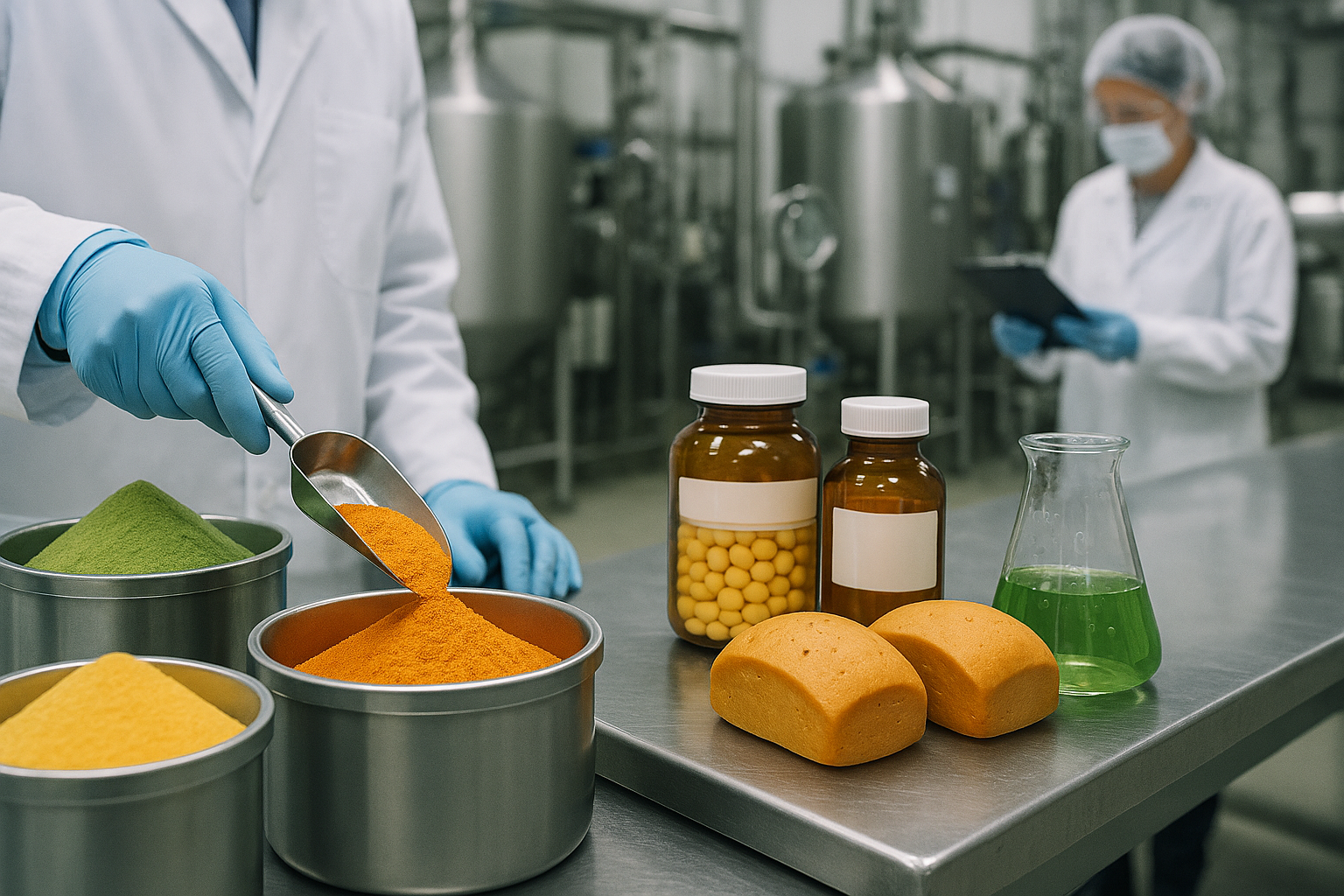
Food premixes are essential in today’s modern diet. These blends of vitamins, minerals, and other functional ingredients boost nutritional value. From fortified rice to specialized infant formula, premixes ensure product consistency and meet crucial health standards. Yet, governments worldwide do much more than simply observe. They actively shape how every Food Premix is made, tested, and sold. This article explores the newest official updates from key regulators. We will highlight how these frameworks are impacting food and animal feed manufacturers globally. This topic is vital for safety and transparency.
Understanding Food Premixes
A food premix is a concentrated blend of specific nutrients or additives. Manufacturers incorporate them into food products easily. These blends simplify production complexity significantly. They ensure uniform nutrient distribution throughout the final food. Premixes help producers meet stringent regulatory standards for supplements and fortified foods. Consumer demand for functional foods is rising quickly. Because of this, food premixes are now central to modern food processing.
However, their complex nature requires very strict oversight. They often contain many active ingredients. Governments must guarantee their compliance, efficacy, and safety. This is the crucial point where government regulations become absolutely necessary.
United States: FDA and USDA Set High Standards
The U.S. government maintains dual regulatory authority over food premixes. Different bodies oversee human food and animal feed.
FDA’s Oversight on Food Additives
The U.S. Food and Drug Administration (FDA) regulates premixes used in human food. This is done under the Federal Food, Drug, and Cosmetic Act (FD&C Act). Manufacturers must submit a food additive petition for new formulations. This process is required before the product can receive approval. The FDA also uses the EAFUS database. This system lists all approved premix components.
Key areas of focus for the FDA include:
- GRAS Status: Ensuring ingredients are Generally Recognized as Safe.
- Labeling Compliance: This guarantees transparency for all consumers.
- Safety Assessments: Rigorous reviews of novel nutrient combinations.
In a recent development, the FDA is reviewing its GRAS procedures. They are exploring potential rule-making to revise the GRAS Final Rule. This action aims to eliminate the self-affirmed GRAS pathway. The move, announced in March 2025, would require more formal notification. This would ensure much greater public confidence in food safety.
USDA and Animal Feed Premixes
The U.S. Department of Agriculture (USDA) regulates premixes in animal feed. The Food Safety and Inspection Service (FSIS) provides clear directives. These cover ‘safe and suitable ingredients,’ including bacteriophage treatments. The National Organic Program (NOP) also offers guidance. It covers permissible mineral and vitamin sources for organic livestock feed.
India: FSSAI Tightens Quality Control and Testing
India’s Food Safety and Standards Authority of India (FSSAI) continues its proactive work. It introduced clear guidelines for all premixes. Premixes fall under Category 99: Substances Added to Food.
Recent developments show a clear focus on quality:
- Laboratory Updates (March 2025): FSSAI has issued revised lists of notified laboratories. These labs are authorized to test vitamin-mineral premixes. This is critical for the national Fortified Rice Kernels (FRK) program. Valid accreditation status is mandatory for all labs.
- Re-Operationalized Regulations (October 2025): FSSAI re-operationalized draft amendment regulations. This addresses the micronutrient limits in vitamin and mineral premixes. The regulation applies directly to the making of FRK.
- Nutra Regulations (2022): These rules formally define “premix.” They enforce strict compliance for ingredients in nutraceuticals. This reflects India’s national commitment to fighting malnutrition. It also maintains rigorous safety standards.
United Kingdom: Medicated Feed Premixes and Hygiene
In the U.K., the regulation of feed premixes is especially detailed. The Veterinary Medicines Directorate (VMD) is in charge. They oversee the production and supply of medicated feed premixes. These products contain veterinary active substances. Updated guidance helps manufacturers comply with all licensing rules.
The Food Standards Agency (FSA) handles hygiene standards. They enforce rules for on-farm mixing of feed additives and premixes. This ensures compliance with essential feed hygiene requirements. Their goal is to safeguard animal health. These measures also prevent food chain contamination effectively. The FSA also maintains a register of authorized feed additives. This register is updated frequently.
European Union: Comprehensive Rules for Feed Additives
The EU utilizes one of the world’s most detailed frameworks. This system governs feed additives and their premixes.
- Regulation (EC) No 1831/2003: This core regulation manages the labeling and authorization. It applies to all feed additives and premixes placed on the market.
- Strict Classification: Premixes are classified into five distinct categories. These include Sensory, Nutritional, Technological, Zootechnical, and Coccidiostats. This clear structure reduces market ambiguity.
- Hygiene and Traceability: Hygiene standards are mandatory under Regulation 183/2005/EC. The system is supported by a comprehensive guide to good practice. This ensures full traceability and safety.
- New Functional Groups: Recent amendments added new functional groups. These include physiological condition stabilizers. This shows the EU is keeping pace with scientific innovation.
Only authorized feed additives can be marketed in the EU. This rigorous process requires detailed applications.
Global Trends for the Food Premix Industry
These government actions highlight several important trends. These trends will define the future of the Food Premix industry.
Clear Regulatory Classification
Governments are working to standardize definitions. They are simplifying licensing categories for premixes. This reduction in ambiguity is a massive help for global manufacturers. It is also an important step for improving consumer safety.
Rigorous Approval Protocols
Premixes with new nutrient combinations face intense scrutiny. Detailed applications and safety studies are mandatory. Approval must be secured before products can enter any market.
Focus on Quality and Safety Oversight
Accredited testing is now a non-negotiable standard. Hygiene frameworks and full traceability are required everywhere. Governments demand these standards to protect public health.
Functional and Medicated Premixes
Regulators are paying close attention to certain food premixes. These are ones used in medicated animal feeds and health supplements. This reflects their critical role in public health initiatives.
The Road Ahead: Challenges and Innovation
Real challenges still face the global industry despite this progress.
- Complex Compliance: Global manufacturers find navigating multi-layered regional rules daunting.
- Supply Chain Transparency: Tracking ingredients from their source to the final product remains a priority challenge.
- Innovation vs. Regulation: Balancing new functional food innovation with stringent safety rules is a constant struggle.
A Safer, Smarter Premix Future
The future will likely bring increased harmonization of global standards. Expect more public-private collaborations. These partnerships will promote fortified foods worldwide. Governments will keep refining their policies. They must support necessary innovation while safeguarding public health.
For all manufacturers, the message is strong and simple. You must align fully with these new regulatory frameworks. Invest heavily in compliance and accredited third-party testing. Safety and transparency are now mandatory to stay competitive.
Final Thoughts
Food Premix products are not just simple convenient additions. They are a core part of global nutrition strategies. Governments are actively shaping this critical regulatory landscape. The industry is perfectly positioned for strong growth. This growth is only possible if all stakeholders embrace both innovation and compliance fully.