Robotic Stroke Surgery Gets United by Dundee and US Experts
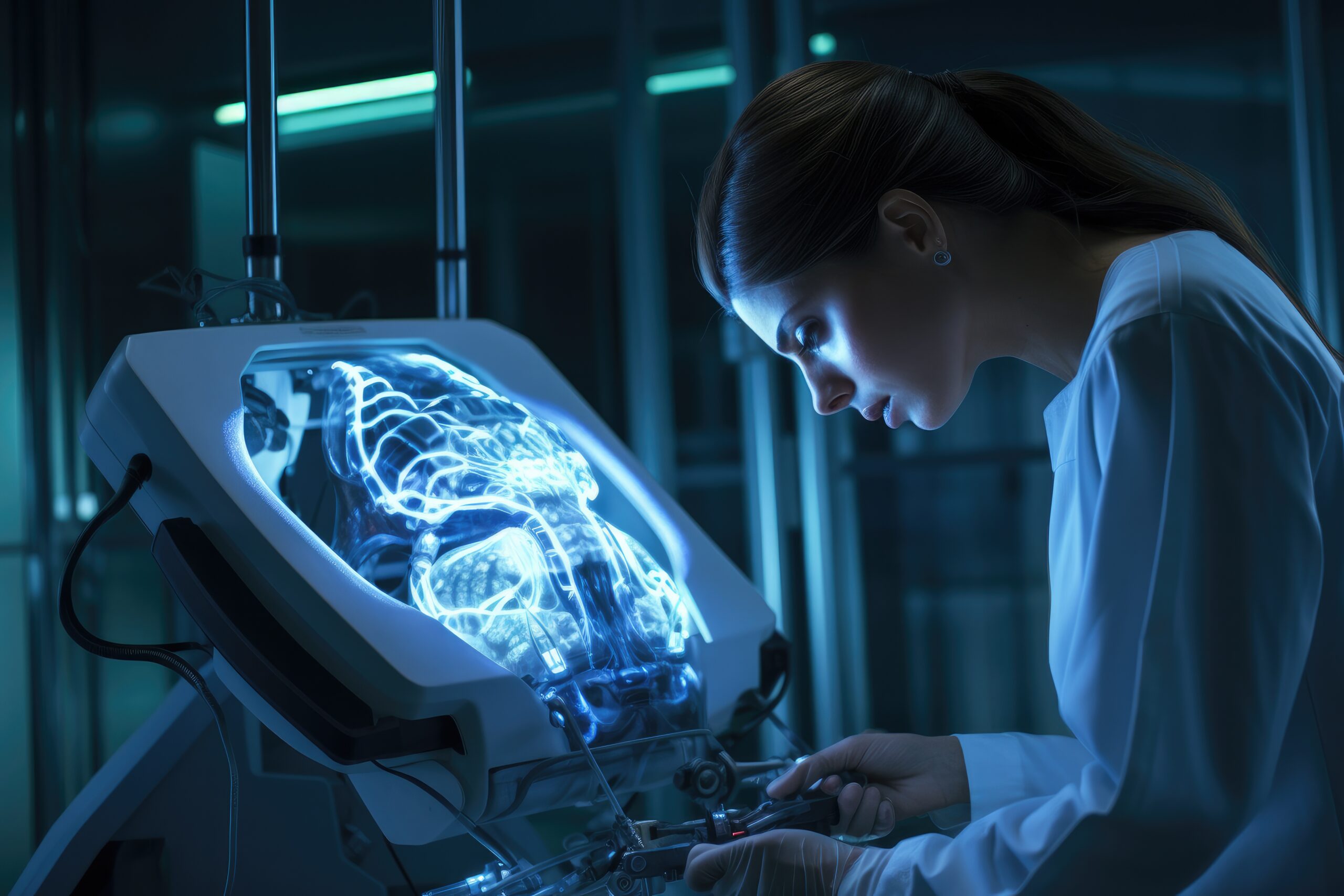
An unprecedented collaboration between surgeons from NHS Tayside in Dundee and a premier US medical institute has resulted in the first successful Robotic Stroke Surgery in the world. This accomplishment is being hailed as a milestone in modern neurosurgery and an inspiring demonstration of what cross-border teamwork can achieve.
The patient, suffering from a severe stroke due to a blocked brain artery, required immediate surgical intervention. Normally, mechanical thrombectomy would demand an on-site specialist. This time, however, the robotic system enabled remote operation. The US surgeon, situated thousands of miles away, guided the robotic catheter while the Dundee team provided local support and real-time imaging. Together, they removed the clot and restored vital blood flow to the brain.
The operation required months of preparation. Both teams conducted extensive simulations to ensure flawless coordination. They tested telecommunication links, robotic responsiveness, and imaging synchronization. During the procedure, the robotic system performed with exceptional precision, enabling controlled movements impossible by hand alone. The result demonstrated both technological strength and surgical finesse.
The implications of this achievement are profound. Stroke remains a leading cause of death and disability worldwide, and timely intervention is essential. Yet many hospitals lack the expertise or equipment for advanced thrombectomy. Through Robotic Stroke Surgery, remote experts could perform these life-saving operations anywhere. As technology advances, this approach could revolutionize emergency medicine and create equal access to expert care.
The Dundee team benefited from years of robotic experience in other surgical domains. Supported by the University of Dundee and NHS Tayside, their facilities had become Scotland’s centre for medical robotics training. Their American collaborators, well-known for pioneering robotic neurovascular procedures, provided technical oversight and system design. This partnership proved essential for achieving safe, coordinated results.
Following the surgery, the patient showed early improvement and moved into rehabilitation. Although full outcome data are pending, the result confirms the viability of robotic neurointervention. Still, the experts stress that Robotic Stroke Surgery is at an early stage. Future studies will determine its broader effectiveness, safety, and economic feasibility before adoption as standard practice.
Despite cautious optimism, excitement remains high within the medical community. The success positions Dundee as a global leader in robotic innovation and demonstrates that technical boundaries can be pushed safely. Furthermore, it proves that even in time-critical emergencies, collaboration across continents is possible and practical.
Challenges persist, including training requirements, equipment costs, and the need for stable high-speed networks. Nevertheless, these obstacles are expected to diminish as robotics and telemedicine evolve. The Dundee–US collaboration has shown what determination and shared vision can accomplish. Many believe it will inspire similar projects across other fields of medicine.
A member of the Dundee team summarized the milestone perfectly: “We have proved that robotics can deliver precision and speed beyond human capability, even from afar.” This success story confirms the power of innovation to transform patient care. For both teams, it marks the beginning of a new era where Robotic Stroke Surgery stands as a symbol of hope, progress, and truly global medicine.
This world-first operation marks a historic step for neuroscience and modern medicine. The Dundee–US collaboration has shown that technological ingenuity combined with medical expertise can achieve the extraordinary. Their success in Robotic Stroke Surgery not only opens new treatment possibilities but also demonstrates how global teamwork can bring care to every corner of the world. With further research, refinement, and dedication, this innovation could permanently change the way humanity treats one of its most urgent medical emergencies.