The Disposable Camera Revival: Old-School Cool Returns
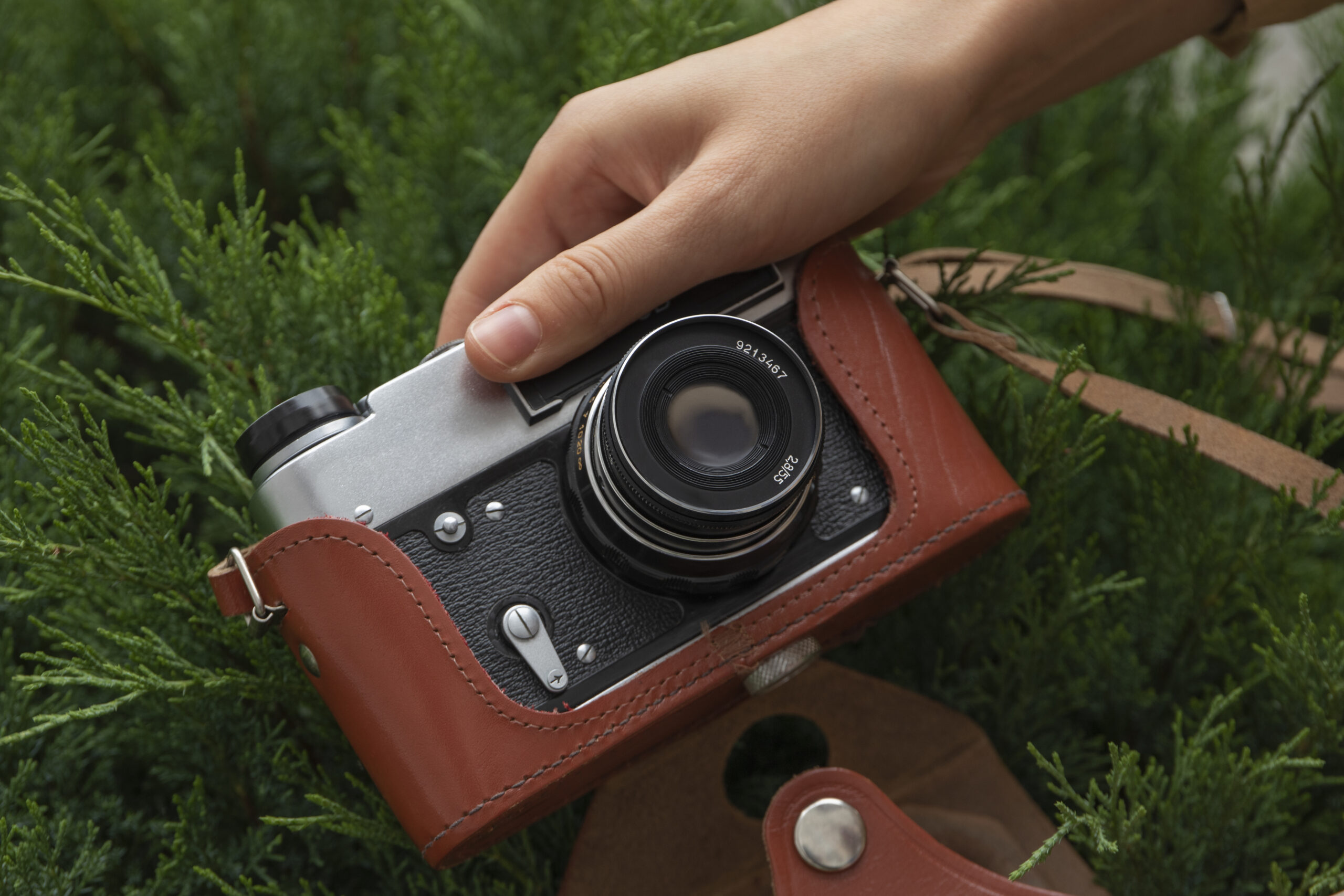
In an era obsessed with megapixels, mirrorless sensors, and instant sharing, however, something beautifully analog is making a quiet return, the Disposable Camera. Once the affordable companion of 90s vacations and teenage sleepovers, it has now evolved into an unexpected darling of Gen Z and nostalgic millennials. Moreover, the comeback isn’t just sentimental; rather, it serves as a fascinating case study of how old technology can once again find new relevance in today’s digital world.
The Curious Case of Analog Nostalgia
Walk into any urban boutique or scroll through Instagram, and you’ll find evidence of the analog revival. Vinyl records spin again, typewriters decorate coffee shops, and film cameras, especially the Disposable Camera, are back in fashion. But why would a generation raised on 4K video and AI filters crave a single-use device that offers no screen, no preview, and a 24-hour wait to see the results?
In an era obsessed with megapixels, mirrorless sensors, and instant sharing, however, something beautifully analog is making a quiet return, the Disposable Camera. Once the affordable companion of 90s vacations and teenage sleepovers, it has now evolved into an unexpected darling of Gen Z and nostalgic millennials. Moreover, the comeback isn’t just sentimental; rather, it serves as a fascinating case study of how old technology can once again find new relevance in today’s digital world.
From Cheap Thrill to Cultural Symbol
Originally, the Disposable Camera wasn’t actually designed to be cool; instead, it was explicitly designed to be cheap. Consequently, Fujifilm launched its QuickSnap in 1986 specifically to make photography accessible to everyone. Following suit, Kodak then launched its FunSaver in 1987, thereby turning family trips and weddings into affordable photo opportunities.
Fast forward to today, and the same device has become a cultural symbol. Young creators, influencers, and even celebrities are reviving it, not out of necessity, but for the aesthetic. The #DisposableCamera hashtag on Instagram now boasts millions of posts. What was once “low tech” has become “high style.”
The irony is striking: we are using analog cameras to make digital content feel more authentic.
Data Doesn’t Lie: The Analog Market Is Growing
The comeback of the Disposable Camera isn’t just anecdotal; it’s measurable. According to industry reports, global film camera sales have grown by over 20% year-on-year since 2020. Fujifilm’s Instax line, which thrives on the same nostalgic impulse, sold over 10 million units annually in recent years. Kodak Alaris also reported increased demand for film and single-use cameras, citing a surge among younger demographics.
Search trends mirror this shift. Google data shows that queries for “buy disposable camera” and “film developing near me” have spiked dramatically since 2021. Even major retailers like Urban Outfitters and Amazon now feature Disposable Cameras in their top-selling gift lists.
The analog revival, it seems, is not just emotional, it’s economical.
Why Digital Fatigue Fuels Analog Joy
Digital fatigue is undoubtedly real. Indeed, we live in an age where cameras are truly everywhere, embedded in our phones, laptops, and even doorbells. Yet, for all this convenience, photography has, consequently, lost some of its magic. Ultimately, every single moment is captured, filtered, and then immediately forgotten within seconds.
Enter the Disposable Camera. It slows things down. Each click counts. With only 27 exposures, every shot requires intention. There’s no delete button, no retake, and no immediate validation through likes or comments. The process restores scarcity to photography, a preciousness that digital abundance has eroded.
In other words, it’s not just about nostalgia. It’s about mindfulness in image-making.
The Aesthetic Allure of Imperfection
The digital era has taught us to chase perfection: smooth skin, perfect lighting, flawless color correction. But perfection often feels sterile. Film photography, and by extension, the Disposable Camera, celebrates imperfection. Light leaks, lens flare, and film grain tell stories that Photoshop can’t replicate.
Brands and influencers now lean into this aesthetic intentionally. Many smartphone apps, like Huji Cam and Dazz Cam, mimic the look of disposable film. Yet, the analog original still holds a charm no filter can fake. Each print from a Disposable Camera feels earned, a physical artifact from a digital-saturated world.
Gen Z and the Rediscovery of Tangible Memory
It’s tempting to assume the analog revival is driven by nostalgia. However, the Disposable Camera’s resurgence among Gen Z, who never lived through its heyday, suggests something deeper. For them, film photography isn’t nostalgic; it’s novel.
Digital natives crave tangible experiences. A printed photo holds weight. It lives on walls and refrigerators, not just on screens. In a world dominated by disappearing Stories and vanishing Snaps, physical photographs offer permanence. They resist the scroll.
Interestingly, the Disposable Camera has also become a social tool. Friends pass it around at parties, not to perfect selfies, but to capture unfiltered moments. There’s a communal joy in waiting to see what surprises the film holds later. The delayed gratification feels, paradoxically, refreshing.
Economics of Emotion: The Market Reframes Value
From a business perspective, the Disposable Camera revival highlights how value can shift from utility to emotion. These cameras are no longer the cheapest way to take pictures; they’re now lifestyle artifacts. Consumers buy them not because they lack alternatives, but because they seek authenticity.
Retailers understand this well. Kodak’s new single-use models feature pastel hues and influencer collaborations. Fujifilm has leaned into nostalgia marketing, emphasizing simplicity and spontaneity. Meanwhile, boutique brands sell refurbished film cameras at premium prices to capitalize on the trend.
Even film processing labs, once facing extinction, are thriving again. Small businesses offering developing and scanning services have reported double-digit growth since 2021—some now bundle film processing with digital delivery, bridging analog charm with modern convenience.
Sustainability: The Irony of “Disposable”
There’s one elephant in the darkroom, the environmental footprint of the Disposable Camera. Designed for single use, these cameras might seem wasteful in an eco-conscious age. However, many manufacturers now address this concern.
Kodak and Fujifilm both run recycling programs that recover lenses and internal components. Some boutique startups produce “eco-disposables” with biodegradable casings. Consumers, too, often reuse the cameras or send them to film labs that refurbish and refill them.
Thus, even in sustainability conversations, the analog revival is evolving. It shows that nostalgia doesn’t have to conflict with responsibility.
Film vs. Phone: It’s Not About Competition
The Disposable Camera isn’t trying to compete with smartphones; it’s complementing them. Each serves a different emotional purpose. Smartphones capture convenience; disposables capture character.
Where digital photography documents life, analog photography interprets it. The slight delay between capture and viewing fosters anticipation. The imperfections in the final prints remind us that beauty often hides in unpredictability.
Many photographers now carry both. They use phones for instant sharing and Disposable Cameras for memory-making. It’s not a rejection of technology; it’s a rebalancing act.
Brands That Are Framing the Revival
Several brands have skillfully framed this nostalgia-driven market:
- Kodak revived its FunSaver line with new packaging and color profiles aimed at younger consumers.
- Fujifilm continues to blend analog appeal with digital-friendly services through hybrid products like Instax.
- Ilford and Lomography target artistic photographers who crave creative control and vintage aesthetics.
- Independent labels sell “party kits” featuring Disposable Cameras, film rolls, and retro-style albums.
These marketing strategies lean on storytelling. They don’t just sell cameras; they sell a feeling of connection, authenticity, and time travel.
Looking Through the Viewfinder of the Future
So, what’s next for the Disposable Camera in a tech-dominated world? Experts predict steady growth in the niche analog segment. As AI-enhanced photography becomes the norm, human-driven, imperfect formats will only grow more attractive.
We might even see hybrid innovations, digital disposables that simulate film characteristics while retaining analog workflows. What’s certain is that the human desire for tactile, meaningful experiences isn’t going away. The Disposable Camera proves that even in an age of pixels, people still crave something real.
Conclusion: The Click That Keeps on Giving
The return of the Disposable Camera is more than a fad. It’s a reminder that progress doesn’t always mean replacement. Sometimes, old technology survives because it offers what new tech can’t: slowness, surprise, and sincerity.
When you pick up a Disposable Camera, you’re not just taking pictures. You’re embracing imperfection, cherishing patience, and rediscovering the joy of waiting. In a fast-moving digital age, that’s not just nostalgia, it’s rebellion.
So yes, the world has gone digital. But somewhere, in a drawer or backpack, a little plastic camera is quietly clicking its way back into our hearts.