Food Influencer Culture Gets Toasted: Sandwiches Go Viral
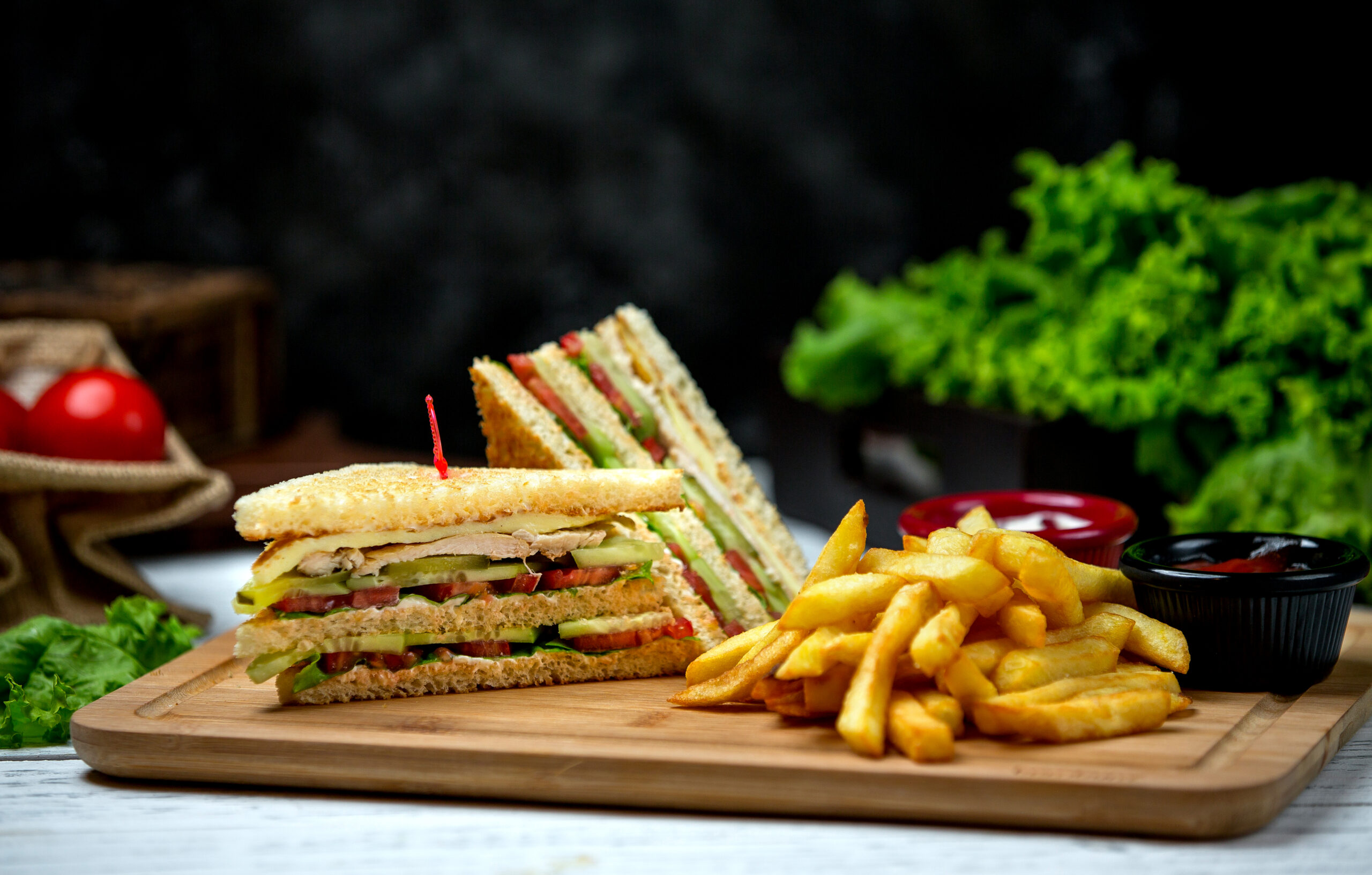
Once upon a time, the sandwich was a simple thing: two slices of bread with something satisfying in between. Today, it’s a visual symbol, a statement, and often, an Instagram Food Influencer Culture moment. Scroll through your feed, and you’ll find sandwiches stacked like works of art, tagged, filtered, and captioned. Somewhere between the first bite and the final like, the sandwich stopped being lunch and became a lifestyle.
Welcome to the age of Food Influencer Culture, where what we eat isn’t just about taste, it’s about identity.
The Rise of the Sandwich Selfie
There was a time when sharing a sandwich meant splitting it with a friend. Now, it means uploading it to your followers. The act of posting a photo of your lunch has evolved into an expression of self, taste, and sometimes, social status.
Sandwiches have a universal charm. They’re versatile, recognizable, and photograph beautifully. Whether it’s a rustic sourdough filled with heirloom tomatoes or a neon-fast-food combo, the sandwich tells a story. In Food Influencer Culture, that story matters. Each post says something about who we are: busy professionals, mindful eaters, or aesthetic curators.
When someone posts a sandwich, they’re not only sharing food; they’re curating identity. The sandwich becomes a symbol of lifestyle, simple yet sophisticated, nostalgic yet new.
Food as Identity: The Sandwich Spectrum
Food has always been tied to identity. What we eat reveals where we come from, what we value, and how we live. Sandwiches, being endlessly adaptable, make the perfect metaphor for modern identity.
In Food Influencer Culture, every sandwich can signal a message. The minimalist avocado toast implies wellness and intention. The loaded deli sub hints at indulgence and authenticity. Even the humble PB&J has nostalgic power, evoking childhood simplicity in a world obsessed with productivity.
Moreover, social media amplifies this symbolism, turning every meal into a message. As a result, posting your lunch becomes shorthand for self-expression. It’s no longer just “I ate this”; instead, it’s “This is who I am.” From the bread to the filling, and even the background lighting, every element works together to broadcast a carefully curated version of life.
Why Sandwiches Photograph So Well
Let’s be honest, sandwiches are naturally photogenic. Their layers, after all, offer texture, symmetry, and color. Furthermore, they can appear rustic or refined, handheld or artfully deconstructed. Because of this versatility, they have become a true staple of Food Influencer Culture. In addition, a sandwich’s structure aligns perfectly with social media’s visual grammar. When sliced, a cross-section reveals a world within—an inviting glimpse of what lies between the bread. Consequently, that sense of discovery taps into both curiosity and satisfaction, which, in turn, keeps users endlessly scrolling.
Moreover, the sandwich represents accessibility. Unlike haute cuisine or molecular gastronomy, it’s familiar. It’s easy to replicate, easy to understand, and easy to photograph. This relatability allows influencers to connect with broad audiences while still appearing aspirational.
The Algorithm Likes Lunch
It’s not just people who love sandwiches; in fact, the algorithm does too. On platforms like Instagram and TikTok, food content consistently performs remarkably well. Moreover, it is visual, engaging, and capable of triggering an emotional response. Consequently, sandwiches, with their appealing mix of color and comfort—tick all the boxes for both users and algorithms alike. The simplicity of a sandwich also encourages content creation. Influencers can shoot, edit, and post within minutes. That immediacy feeds the endless appetite of social media platforms for new content.
In Food Influencer Culture, consistency is key. Posting a daily sandwich, a new recipe, or a café review builds both engagement and credibility. Over time, a sandwich becomes more than a meal; it becomes a personal brand asset.
The Sandwich Economy: When Likes Become Currency
Every like, comment, and share has value. In the digital marketplace, attention converts into income. Sandwich posts can attract brand collaborations, sponsorships, and even partnerships with local eateries. Food influencers often start small, sharing homemade lunches or reviewing local delis. As their audiences grow, their sandwiches become marketing tools. A well-styled photo can drive sales, shape trends, and influence restaurant menus.
Brands have noticed. They partner with influencers to promote bread, condiments, and meal kits. A single image of a perfectly toasted sandwich can sell thousands of units. This blend of relatability and aspiration defines Food Influencer Culture, real food made remarkable through strategy and storytelling.
The Psychology Behind Posting Food
Why do we feel compelled to post our sandwiches in the first place? The reasons are part psychological, part social.
- First, there’s validation. When people engage with your post, it reinforces that your choices, culinary or otherwise, are admired. That dopamine hit can become addictive.
- Second, there’s the desire for connection. Food is communal, even online. Sharing lunch creates conversation. A sandwich post might invite nostalgia, recipes, or restaurant recommendations.
- Lastly, there’s storytelling. Every meal tells a small story about time, mood, and taste. Posting a sandwich captures a moment that feels authentic yet curated. In a world of digital noise, it’s a slice of something real.
Sandwiches as Status Symbols
It sounds absurd at first. How could a sandwich be a status symbol? Yet, in Food Influencer Culture, even a BLT can signal belonging. Think of the artisanal café sandwich served on handcrafted sourdough. It suggests a certain lifestyle: urban, creative, and health-conscious. Meanwhile, a viral TikTok sandwich hack signals innovation and trend awareness. Each variation fits into a digital hierarchy of taste.
The sandwich, once the everyman’s meal, now plays multiple social roles. It can be a badge of sophistication, a comfort object, or a cultural bridge. In that way, sandwiches mirror social media itself, simple in form, complex in meaning.
Branding Through Bread
Personal branding isn’t just for influencers; it’s part of modern identity. The food you post reflects your values as much as your fashion or music. Sandwiches are particularly effective for this because they blend familiarity with creativity.
A food influencer might post a homemade grilled cheese with a poetic caption about slowing down. Another might feature a towering pastrami sandwich beside a laptop, signaling hustle culture. Both use the same medium, the sandwich, but tell entirely different stories.
This adaptability keeps sandwiches central in Food Influencer Culture. They’re blank canvases for storytelling, perfectly aligned with the aesthetics of relatability and aspiration.
The Future of Sandwich Content
The digital sandwich revolution shows no sign of slowing. As social platforms evolve, so will how we share food. Augmented reality filters, recipe reels, and interactive cooking streams are already changing how we experience food online. Soon, you might “build” a sandwich virtually before ordering it through an app. Or collaborate with an influencer’s virtual brand to recreate their signature lunch. The possibilities are endless and profitable.
As authenticity becomes the new status symbol, we’ll likely see a shift toward more “real” sandwich moments. Crumbs, imperfect bites, and messy fillings might become badges of honesty rather than flaws.
What It All Says About Us
In the end, our fascination with sandwiches isn’t just about food; it’s about identity. We use what we eat to tell stories about who we are, what we value, and how we want to be seen. Food Influencer Culture magnifies that instinct, turning meals into mirrors. The sandwich, humble yet expressive, offers a perfect balance of accessibility and individuality.
So the next time you see a sandwich on your feed, look closer. You’re not just seeing lunch. You’re witnessing a personal brand in motion, a bite-sized narrative crafted for the digital age.
Conclusion: More Than Just a Meal
The sandwich has evolved far beyond its culinary roots. It’s a lens through which we view culture, technology, and identity. Posting a sandwich is not simply sharing food; it’s participating in a conversation about self-expression, branding, and belonging. In the grand buffet of social media, the sandwich stands as the perfect metaphor: layered, versatile, and universally loved. It feeds both body and brand, making it the true social currency of the digital age.
So yes, sandwiches are delicious, but they’re also data, dialogue, and design. And in the world of Food Influencer Culture, that’s a recipe for influence.