Sausage, the Ultimate Symbol of Modern Lifestyles’ Convenience
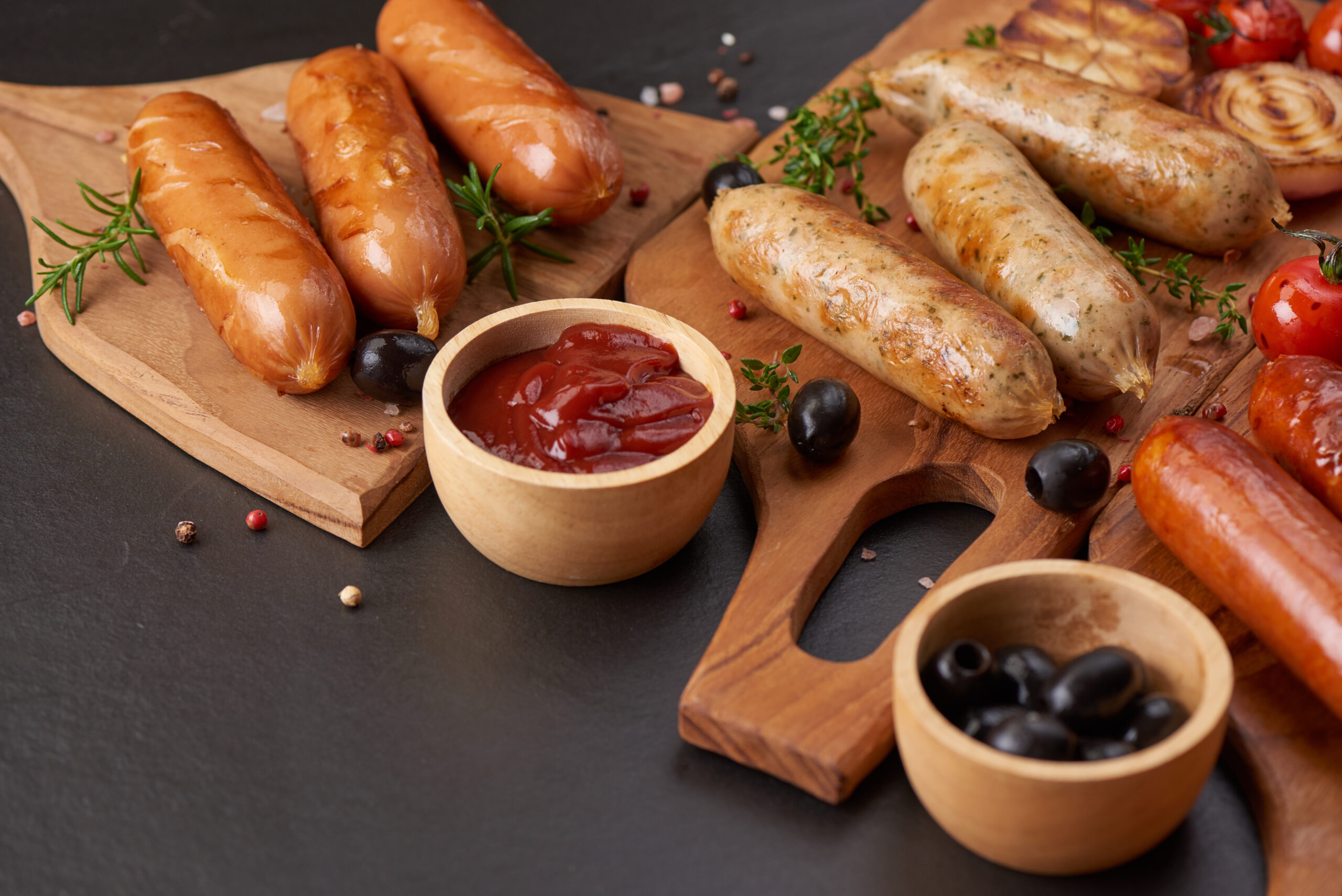
The Sausage holds a strange, revered place in the modern pantry. It is an ancient food. It is fundamentally a method of preservation. This humble tube of ground meat, fat, and spices tells a fascinating tale. Specifically, it narrates the story of convenience. We are busy, urban consumers. We want food that is fast, flavourful, and simple. Consequently, Sausages has become an unlikely symbol. It represents our frantic, ready-to-eat culture. This is the convenience paradox. A centuries-old product is perfectly adapted for the 21st-century lifestyle.
A History of Necessity: The Original “Ready-to-Eat”
Initially, Sausages was not about gourmet meals. Indeed, it was about survival. Ancient civilizations needed to preserve meat. They lacked refrigeration, naturally. By grinding meat and stuffing it into natural casings, they achieved preservation.
Furthermore, adding salt, spices, and sometimes smoke extended its shelf life. This made the meat portable. It made it a truly ready-to-eat staple. Roman soldiers carried dried Sausage on campaigns. Early European settlers relied on cured Sausage during long winters. Therefore, the very essence of the Sausage is convenience. It offered a high-energy, non-perishable food source. This heritage is critical to understanding its modern market success.
The Urban Velocity: A Modern Market Driver
Fast forward to the modern, global city. Urbanization is a powerful trend. People work long hours, frequently commuting great distances. Time spent cooking has significantly decreased. This is where the Sausage finds its new niche. It excels as a convenience food. Manufacturers have perfected the form. They offer fully cooked, pre-seasoned, and easy-to-prepare products.
For example, the breakfast Sausage patty requires minimal effort. Similarly, the frankfurter is central to quick street food. Therefore, the product perfectly aligns with urban velocity. Sausage sales grow directly with the demand for speed. The consumer avoids chopping and seasoning raw meat. Instead, they get a uniform, predictable meal component. Consequently, this convenience translates directly into market growth. The global Sausage market is projected to expand significantly. This demand for quick meal solutions fuels its growth. This ancient preservation technique now serves our impatience.
The Innovation Engine: Expanding the Definition of Convenience
The modern Sausage market does not rely only on its historical form. On the contrary, manufacturers continuously innovate. They are expanding the very definition of convenience. Firstly, consider packaging. Vacuum-sealed trays extend shelf life dramatically. This allows consumers to stock up easily. Secondly, product format changes are vital. Consumers find bite-sized Sausage snacks now. They also see pre-sliced dry Sausage in deli sections. These new formats target on-the-go consumption specifically.
Furthermore, preparation convenience is a major focus. Many products are now microwave-ready. Others are formulated for air fryers. Subsequently, they reduce cooking time to mere minutes. This relentless focus on speed and simplicity keeps the Sausage relevant. As a result, it outpaces many other prepared meats. The manufacturers understand the brief: convenience is king.
The Health Headwind: A Witty Wrangle with Wellness
The story is not entirely smooth, though. The Sausage faces a major headwind. Its traditional ingredients, pork and beef, are often high in saturated fat and sodium. Health consciousness is a significant market trend. Consumers are actively seeking leaner protein sources. They want to reduce their processed meat intake. This is a fundamental threat. However, the industry has responded with clever innovation.
This is a witty wrangle with wellness. Manufacturers have introduced chicken and turkey Sausage. These varieties offer a learner profile. They have also reduced the sodium content in many traditional lines. More importantly, the vegan Sausage is booming. Plant-based options are now widely available. They use ingredients like pea protein or soy. Therefore, the Sausage form has adapted to the dietary shift. It retains the essential benefit of convenience. A Sausage still cooks fast and tastes great. Now, it can also satisfy a flexitarian or vegan diet. This adaptation proves the resilience of the Sausage concept itself. The casing, the spice blend, and the convenience remain. Only the core ingredient has evolved.
Cultural Chameleon: The Sausage’s Versatility
The Sausage is a global cultural chameleon. Its versatility adds another layer of convenience. It seamlessly fits into many meals. In Italy, salami is a key pasta ingredient. In Germany, Bratwurst is a hearty street food. The American hot dog is a fast food icon. This global acceptance means a Sausage can be dinner, lunch, or breakfast. It can be gourmet or incredibly basic.
This broad usage is a major market advantage. Consumers do not need a special occasion to buy Sausage. They simply need a quick meal idea. The product’s cultural breadth ensures constant demand. Consequently, it enjoys high household penetration rates. Sausages are not just one food item. It is a category of foods. It offers endless flavour profiles and applications. This adaptability is its ultimate form of convenience. You always know how to use a Sausage.
The Retail Reality: A Triumph of Distribution
The success of the Sausage is also a story of retail. It has triumphed in distribution channels. Supermarkets and hypermarkets dedicate significant shelf space. This ensures high visibility for the consumer. Furthermore, the growth of online retail is a boon. Sausage is a simple, non-fragile item to ship. Consumers can easily add it to their online grocery order.
The food service industry is another major channel. Quick-service restaurants rely on Sausage heavily. It cooks fast and consistently. It has excellent portion control. Therefore, from the refrigerated case to the restaurant kitchen, this is accessible. This robust, multi-channel distribution model reinforces its market dominance. It makes Sausages, a convenience purchase at every turn. You are never far from a Sausage.
The Paradox Resolved: An Enduring Market Winner
Ultimately, the convenience paradox resolves itself in a rather elegant way. To begin with, the Sausage is an ancient solution. Specifically, it addressed the oldest human problem: food preservation. Now, however, it addresses the newest problem: time scarcity. Therefore, its centuries-old design, which focused on storage and portability, is still perfect. Consequently, the modern market simply demanded more convenience. In response, the industry innovated admirably. For instance, they created leaner options. Furthermore, they introduced plant-based alternatives. Crucially, they also perfected the packaging and preparation methods.
The result is a product that transcends trends. It survives health scares through clever reformulation. It thrives amid global market shifts. The Sausage is more than just meat. It is a time-saver, dependable meal solution, and undeniably, the ultimate symbol of our modern, busy lives. We seek simplicity and speed above all else. Consequently, we continue to rely on the ancient, perfectly packaged Sausage. Its market growth is a clear indicator of our changing habits. We pay a premium for simplicity. We embrace this delicious, enduring convenience. The Sausage reigns supreme in the fast lane.