Is a Regulatory Shake-Up the Wake-Up Call for Dermal Fillers
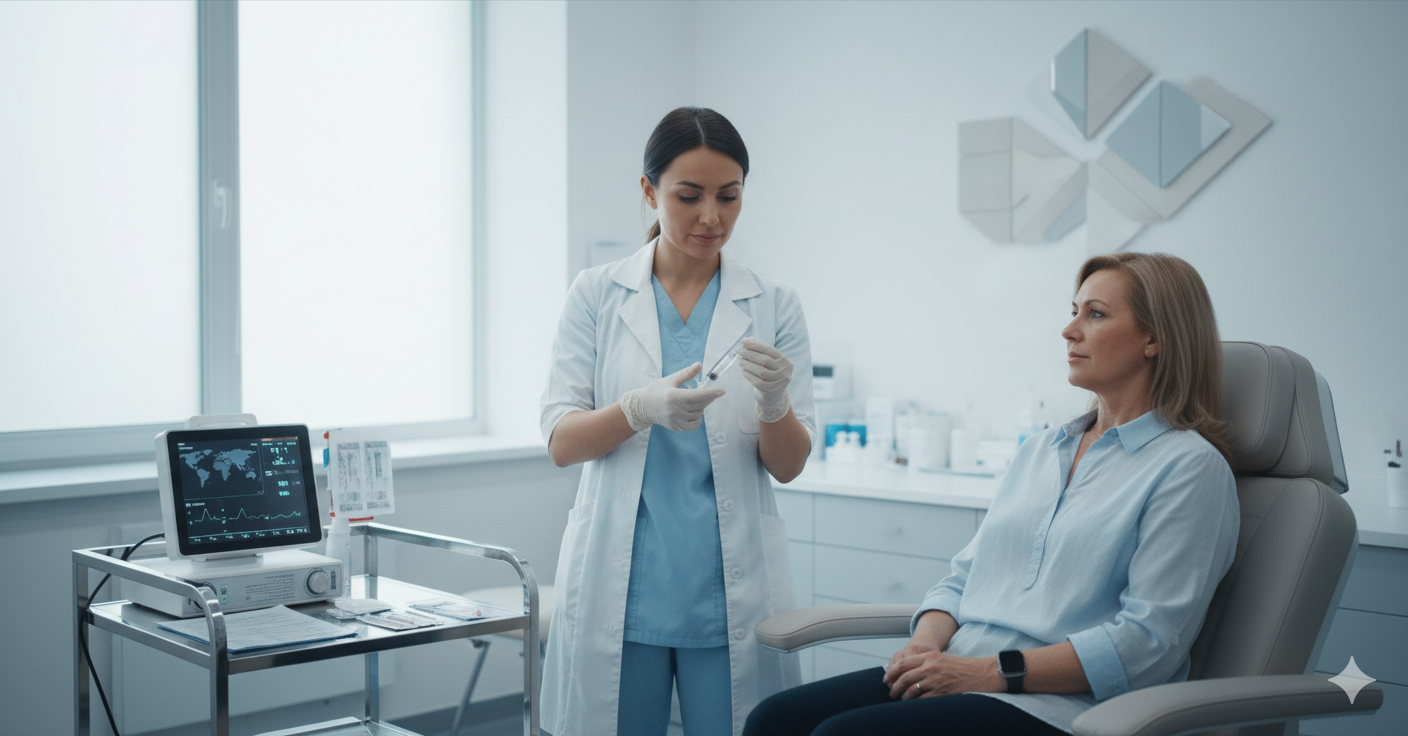
Dermal fillers have become extremely popular in aesthetic medicine. These simple treatments are no longer just for the wealthy. Millions of procedures happen every year, making them mainstream. As demand grows and new uses appear, so does regulatory scrutiny. Agencies like the U.S. Food and Drug Administration (FDA) are watching closely.
What is happening now in the dermal fillers market? How are government bodies influencing its future? Let’s explore the newest changes. These developments are redefining safety, innovation, and rules in this thriving industry.
The Dermal Fillers Market: A Space of Rapid Change
Dermal fillers are injections used to restore facial volume. They smooth wrinkles and enhance contours. Common types include hyaluronic acid (HA) and calcium hydroxylapatite (CaHA). Over 6.2 million filler procedures were done in the U.S. in 2024. This makes it the second most common non-surgical cosmetic treatment.
This massive popularity brings a strong responsibility. Regulators are paying very close attention to how these treatments are used.
The FDA’s New Focus: What Changes Are Coming?
The FDA is carefully monitoring the market. Its reviews signal upcoming changes in how fillers are approved and used.
1. New Use Cases Under Review: The Décolletage
In August 2025, an FDA advisory panel met. They were evaluating a new use for dermal fillers. This was treating the décolletage, or upper chest area. While it seems like a logical step, the panel raised serious concerns.
The main concern is interference with breast cancer screening. Fillers in the chest area could create problems. They might obstruct mammograms, ultrasounds, and MRIs. This could cause false positive or negative results. There are also risks of filler migration or vascular issues. This cautious FDA approach shows a commitment. Cosmetic procedures must never compromise vital diagnostic care.
2. Innovation Continues: A Surge of New Approvals
Innovation in fillers has not stopped, despite this caution. The FDA approved 13 new dermal filler products since 2021. These include new treatment areas like the jawline and under-eye hollows. New formulations were also approved. These advanced fillers include pain-reducing additives like mepivacaine.
These approvals show a clear market demand. People want targeted, long-lasting, and comfortable treatments. However, it also emphasizes the need for strong clinical testing.
Safety First: Understanding and Monitoring Risks
The FDA is constantly tracking filler side effects. They monitor both common and rare issues.
Common Reactions Include:
- Swelling, bruising, redness, and tenderness.
- Itching at the injection site.
Serious Risks Include:
- Nodules and granulomas forming.
- Infections after the procedure.
- Tissue death from vascular occlusion.
- Severe allergic reactions.
- Vision loss or stroke from injecting into a blood vessel.
These severe risks are rare but very serious. They highlight why a qualified provider is essential. They also stress the need for fully informed patient consent.
Imaging Complications: A Hidden Threat
Recent FDA reviews revealed a surprising issue. Dermal fillers can interfere with medical imaging. Fillers like CaHA may obscure breast tissue in mammograms. They can also look like tumors in CT or MRI scans. This complicates cancer diagnosis.
Concerns about imaging interference have stopped some fillers in other countries. The FDA is now considering similar regulatory actions in the U.S.
Younger Patients: A New Regulatory Focus
The FDA is also observing a clear market trend. More young adults, including those under 21, are getting fillers. This demographic fuels market growth. However, they are often excluded from initial clinical trials. This raises serious questions about long-term safety and effectiveness.
The FDA is now strongly urging manufacturers to act. They want clinical studies to include younger people. They also want trials to include diverse skin types. This ensures product safety for all users.
Shaping the Future: Regulatory Evolution
The FDA is not simply reacting to problems. It is actively shaping the market’s future.
- Premarket Data: The agency demands strong clinical data before any approval.
- Postmarket Tracking: They require surveillance to track long-term results.
- Patient Focus: The FDA uses patient preferences in its decisions.
- Transparent Information: They promote clear product labeling for better understanding.
This proactive approach ensures high safety standards. It encourages shared decision-making for patients and practitioners.
Global Impact and Market Projections
The U.S. is not alone in increasing regulations. European and Asian countries are also reviewing filler policies. They are focusing on non-facial applications and imaging safety.
Despite these changes, the global dermal fillers market will keep growing. This growth is fueled by the demand for non-invasive treatments. Technological advances in filler formulas also help. The market is projected to reach $9–11 billion by 2030. North America will remain a market leader due to high consumer awareness and strict rules.
Final Thoughts: Beauty Demands Responsibility
The dermal fillers market stands at a critical juncture. It offers amazing benefits for aging and confidence. It also demands stringent oversight and ethical practice.
The FDA is continually improving its regulatory approach. Safety and science will undoubtedly define the future of aesthetics, for everyone involved patients, providers, and companies- staying informed is vital. Aligning with these guidelines is simply essential for success.