Flight Delays Due To Staffing Hit New York Hubs Hardest
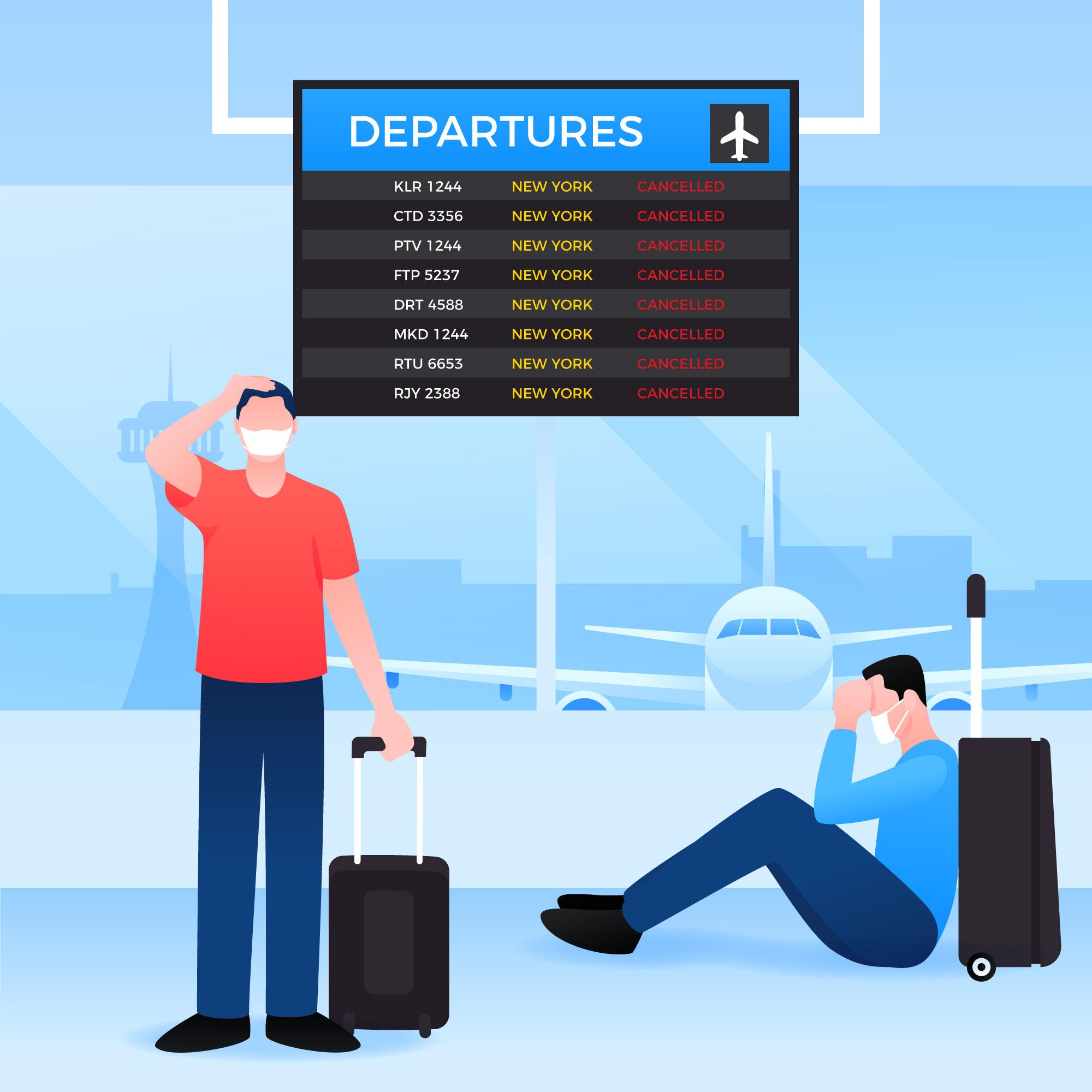
The current government shutdown severely compromises the United States’ air system. This fiscal crisis directly affects Federal Aviation Administration operations nationwide. The core issue centers on a critical shortage of air traffic controllers. This personnel shortage forces the FAA to impose necessary flow control measures. Consequently, these safety mandates result in massive flight delays for travelers. The FAA reported that nearly half of the 30 busiest U.S. airports struggle with inadequate staffing.
Controllers continue to work diligently despite missing their paychecks for weeks. This prolonged financial hardship generates immense pressure on the workforce. Moreover, the FAA confirms these dedicated employees face increasing stress and fatigue. Before the shutdown, the agency already lacked about 3,000 controllers. The current crisis significantly compounds this long-standing personnel gap. We now observe an alarming surge in sick calls and staff absences. This reduction in available staff triggers operational red flags across key facilities.
New York’s dense airspace management facilities face the most severe disruption. Specifically, facilities there reported controller absence rates reaching eighty percent. Such an extreme shortage immediately necessitates traffic management programs. Ultimately, the agency limits the number of planes arriving per hour at major hubs. Newark Liberty International Airport, for instance, restricts arrivals to a minimum rate. This critical safety action prevents dangerous congestion in the skies. However, it also translates directly into significant flight delays on the ground.
The operational strain extends beyond airport towers to high-altitude centers. These critical facilities manage en route airspace between different cities. For example, the Jacksonville air traffic control center recently declared a “staffing trigger.” This action forced officials to reroute flights traveling to and from Atlanta, Orlando, and Miami. Therefore, the crisis demonstrates its ability to affect vast regions of the American Southeast. This domino effect shows how a localized shortage rapidly causes widespread travel interruption.
Transportation Secretary Sean Duffy firmly defends the policy of slowing traffic. He argues the government must never compromise air safety for speed. The agency deliberately reduces flight volumes to maintain the system’s integrity. Nevertheless, he warns that the number of flight delays will increase steadily. He explains that the crisis will only worsen if the congressional deadlock continues.
Airlines now join the effort to end the political standoff promptly. They cite the inherent aviation safety risks posed by exhausted, unpaid staff. They also point to the economic stress placed upon the nation. Major carriers urgently call upon Congress to pass a continuing resolution. This funding bill would immediately reopen the government. It would also guarantee that controllers receive their overdue compensation swiftly.
The prolonged shutdown now holds the record as the longest in U.S. history. We recall that a similar staffing crisis helped end the 2019 shutdown. Lawmakers must recognize the severe impact on the national infrastructure. Therefore, they must act decisively to prevent a total transportation collapse. The mounting number of daily flight delays demands their immediate attention. This crisis proves the vital role controllers play in daily air commerce. Their well-being is directly links to the efficient flow of air travel. Ignoring their financial struggles generates predictable, harmful consequences. These consequences include widespread flight delays and economic friction.
Ultimately, Congress holds the power to restore stability and normalcy quickly. They must take responsibility for solving this severe operational crisis now. Consequently, resolving the funding dispute must become their top and most urgent priority. This necessary step will stop the spiraling increase in crippling flight delays. Furthermore, the FAA constantly monitors staffing levels nationwide. They use real-time data to adjust traffic flow dynamically. This system ensures that even temporary shortages lead to immediate, albeit controlled, disruptions. Therefore, the public should expect continued volatility until the shutdown ends completely.
In conclusion, the Federal Aviation Administration currently faces an untenable operational dilemma. They must prioritize public safety by reducing air traffic flow, which inevitably creates worse flight delays. Moreover, this necessary system slowdown highlights the infrastructure’s deep vulnerability due to the existing chronic understaffing. Consequently, resolving the political standoff remains the single effective way to restore full operational capacity immediately. Until that critical solution arrives, travelers must continue planning for widespread system instability and significant travel disruption.