Pet Costumes and the Paw-parazzi: Instagram’s Furry Fame Game
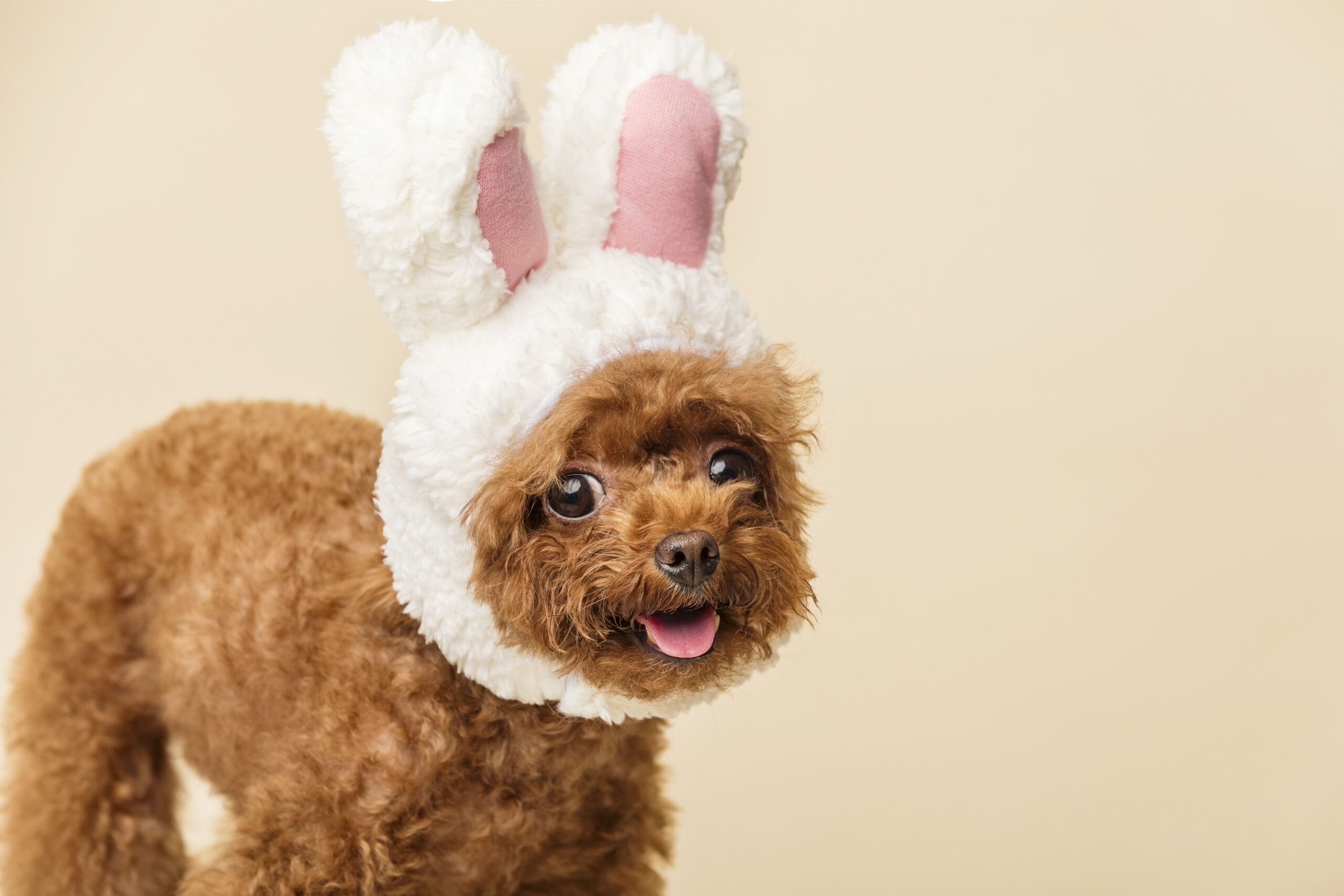
Scroll through Instagram today, and you’ll find no shortage of four-legged stars. Cats lounging in cashmere, dogs rocking tiny tutus, and parrots posing in sequined jackets. What began as a few cute posts has evolved into a booming industry. Welcome to the world of Pet Costumes, where pets don’t just wear clothes, they wear brands.
The digital age has given rise to a new kind of influencer: the pet influencer. These furry celebrities aren’t just adorable; they’re shaping consumer trends, driving engagement, and redefining the marketing landscape. Behind every wag, meow, or chirp lies a clever collaboration between pet parents, apparel brands, and social media strategy.
Let’s explore how this fascinating partnership between the “paw-parazzi” and the Pet Costumes market has transformed the way we see, style, and sell pet fashion.
A Brief History of the Pet Fashion Phenomenon
Pet clothing isn’t new. Centuries ago, royalty dressed their lapdogs in velvet and jewels. However, today’s Pet Costumes scene has little to do with nobility and everything to do with relatability.
The modern pet fashion wave began when social media platforms like Instagram allowed pet owners to share everyday moments. A dog in a superhero cape or a cat in a bow tie wasn’t just cute, it was content. Audiences loved it. Brands noticed.
Soon, the hashtag #PetCostumes exploded. Today, millions of posts feature pets dressed to impress. The rise of user-generated content has blurred the line between personal sharing and brand marketing. This digital transformation turned pets from companions into commercial collaborators.
The Perfect Match: Pets and Instagram
Why did Instagram become the playground for pet influencers? The answer lies in its visual storytelling power. Instagram thrives on aesthetics. It rewards engagement. It amplifies personalities. Pets, with their expressive faces and natural charisma, fit perfectly into this framework. Each photo becomes a story. Each outfit becomes a brand statement.
For instance, consider famous pet influencers like Doug the Pug or Nala Cat. Their stylized feeds combine humor, fashion, and authenticity. These animals showcase everything from seasonal Pet Costumes to designer collaborations. They don’t just wear clothes; they embody lifestyles.
Brands quickly realized that partnering with these pets generated massive visibility and trust. Unlike human influencers, pets bring innocence and relatability. Their endorsements feel genuine, even when sponsored.
From Cute Posts to Strategic Partnerships
What began as fun soon turned into a serious business. Pet influencers with strong engagement rates attract lucrative sponsorship deals.
Pet apparel brands leverage these partnerships to reach targeted audiences. A well-dressed corgi might promote a Halloween costume one week and a luxury dog jacket the next. Meanwhile, fans eagerly follow along, often purchasing the same outfits for their own pets.
This symbiotic relationship benefits both sides:
- Brands gain authentic exposure and emotional resonance.
- Influencers receive free products, affiliate deals, and visibility.
- Audiences enjoy endless entertainment and inspiration.
The power dynamic mirrors human influencer marketing, but with more fur and fewer scandals.
The Economics of Cuteness
Behind every wagging tail lies serious marketing data. The Pet Costumes market has grown exponentially in the last decade. According to industry reports, global spending on pet apparel and accessories has surpassed billions. Seasonal peaks occur around Halloween, Christmas, and Valentine’s Day. However, year-round demand is rising as more owners seek daily fashion options for their pets.
Instagram plays a vital role in this growth. The platform turns every post into a mini advertisement. When a famous golden retriever models a raincoat, the image sparks both joy and purchase intent. Cuteness sells. Emotional engagement drives conversion. In fact, posts featuring animals dressed in Pet Costumes consistently outperform standard promotional content. They invite shares, comments, and purchases, all within a scroll’s reach.
How Brands Tailor Their Strategy for Pet Influencers
Pet apparel companies have become increasingly sophisticated in their influencer strategies. They don’t just send free products anymore. They design campaigns aligned with the influencer’s personality. For instance, a playful pug might promote colorful hoodies, while a regal Siamese cat might showcase elegant accessories.
Brands also use Instagram analytics to identify ideal partners. They track engagement rates, follower demographics, and content style. The goal is authenticity, not just reach. Moreover, companies collaborate with owners who treat their pets as professional models. Photoshoots feature lighting setups, themed backdrops, and coordinated Pet Costumes. Some even hire pet stylists to ensure the perfect fit.
This strategic precision shows how the line between marketing and entertainment has blurred. What appears spontaneous is often the result of meticulous planning.
The Role of Storytelling in Pet Fashion
A cute outfit is only half the story. The narrative surrounding it matters just as much. Successful pet influencers build emotional connections through storytelling. A rescue dog modeling eco-friendly Pet Costumes may represent second chances and sustainability. A senior cat wearing cozy sweaters might symbolize comfort and care.
These stories resonate with audiences. They transform ordinary posts into meaningful campaigns. Brands benefit immensely from this emotional storytelling. When a follower buys a product, they aren’t just purchasing a costume. They’re buying into a shared story, a community built around love, humor, and identity.
The Seasonal Spectacle of Pet Costumes
If Instagram had an unofficial pet holiday, it would be Halloween. Every October, the platform explodes with creative Pet Costumes. From dachshunds dressed as hot dogs to cats as witches, the imagination is endless. Brands prepare months in advance, launching themed collections and contests.
These events drive massive engagement and revenue spikes. Some posts go viral overnight, turning unknown pets into instant celebrities. For brands, Halloween serves as both a marketing laboratory and a sales goldmine. Beyond Halloween, similar surges occur during Christmas, Valentine’s Day, and even Pride Month. Each occasion invites fresh opportunities for storytelling and sales.
Micro-Influencers and the Democratization of Pet Fame
You don’t need a million followers to make an impact. Micro pet influencers, accounts with smaller but loyal audiences, are now highly sought after. Their authenticity appeals to niche communities. They create relatable, budget-friendly content featuring Pet Costumes that everyday owners can replicate.
Brands love micro-influencers because they drive higher engagement at lower costs. Their followers trust their recommendations. This trend has democratized the pet influencer world, making it accessible to anyone with creativity and consistency.
Ethical Considerations and Responsible Marketing
As the market grows, so does the need for responsibility. Pet welfare must come first. Outfits should be comfortable, safe, and appropriate. Ethical brands emphasize materials, fit, and sustainability. They ensure pets aren’t stressed or overexposed for the sake of content.
Transparency also matters. Influencers are now expected to disclose sponsored posts clearly. Authenticity builds long-term trust, not just short-term clicks. Brands that prioritize these values gain respect and loyal customers.
What’s Next: The Future of Pet Fashion on Instagram
The pet fashion revolution shows no signs of slowing down. Emerging trends include eco-friendly Pet Costumes, tech-integrated wearables, and even virtual fashion for pets in the metaverse. Augmented reality filters now let owners “try on” costumes digitally before buying.
We can also expect greater personalization. 3D printing and AI sizing tools will make custom fits more accessible. Meanwhile, data-driven insights will help brands predict trends before they happen. The next decade of pet fashion will combine creativity, technology, and compassion. Instagram will remain the main stage, where pets continue to strut, pose, and charm millions.
Where the Paw-parazzi Meets the Marketplace
The rise of the “paw-parazzi” is more than a quirky social media trend. It reflects a deeper cultural shift in how we connect, consume, and communicate. Instagram has transformed Pet Costumes from novelty items into lifestyle essentials. Through the lens of a smartphone, pets have become storytellers, models, and brand ambassadors. Their charm drives clicks, engagement, and sales, all while spreading joy.
This symbiosis between pet influencers and apparel brands highlights the power of authenticity and emotion in marketing. It’s proof that in the digital age, sometimes the most effective influencer isn’t human, it’s a tail-wagging star in a tiny tuxedo.