Soy Products Make a Comeback: Gen Z’s Plant-Based Obsession
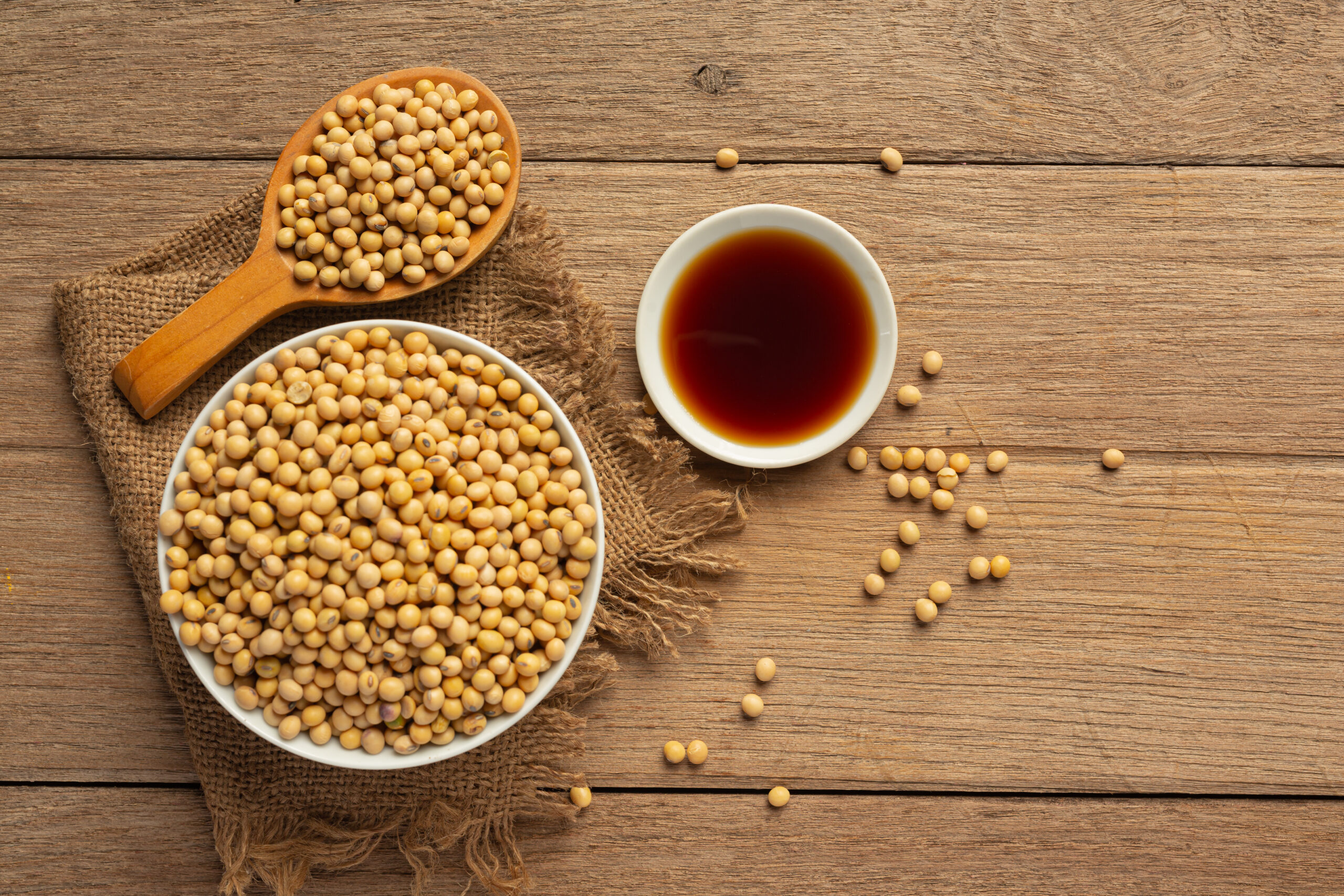
Move over, almond milk and oat lattes, because soy is officially making a comeback. After all, following years of mixed opinions, Gen Z is once again rediscovering soy with fresh curiosity and growing enthusiasm. Interestingly, the same generation that once dismissed soy as “old-school tofu” is now celebrating it on TikTok, while also adding it to smoothies and daily meals. As a result, they are wholeheartedly embracing Soy Products as part of a broader lifestyle centered on wellness, balance, and sustainability.
But what exactly sparked this renewed love for soy? And why does it resonate so deeply with the youngest, most socially conscious consumers? Let’s explore the lifestyle trends, health priorities, and environmental values driving this “soy shift.”
A Brief History: Soy’s Fall and Rise
Before diving into Gen Z’s fascination, let’s rewind. Soy was once the hero of the early 2000s health movement. It appeared in soy lattes, protein shakes, and meat substitutes. Then came the backlash. Rumors about hormones, GMOs, and over-processing turned consumers away. For years, Soy Products struggled to compete with newcomers like oat and pea proteins.
Now, the tables have turned. Gen Z consumers are reclaiming soy, not as a nostalgic throwback, but as a symbol of conscious, balanced living. They’re more informed, tech-savvy, and sustainability-driven than any previous generation. For them, soy isn’t just a food choice. It’s a statement of values.
Sustainability: The Root of the Soy Resurgence
Gen Z cares deeply about the planet. In fact, surveys reveal that over 70% of Gen Z shoppers prefer sustainable brands. Moreover, they actively seek food choices that align with their eco-conscious values. Consequently, Soy Products fit perfectly into that mindful and environmentally driven mindset.
Soybeans require less land and water than animal protein. They also produce fewer greenhouse gas emissions. Compared to dairy and meat, soy stands as an eco-efficient alternative that supports climate goals.
Furthermore, Gen Z doesn’t just buy what’s green; they investigate it. They read labels, question supply chains, and follow farmers on Instagram. Brands that showcase transparent sourcing and regenerative farming practices earn their loyalty. So, when companies highlight sustainable soy farming, it resonates powerfully with young consumers.
Health Goals Meet Plant Power
Health is another major driver of Gen Z’s soy enthusiasm. This generation views wellness as a lifestyle, not a diet. They want balanced, natural, and functional foods that support both physical and mental well-being.
Soy fits seamlessly into this vision. It’s rich in plant-based protein, fiber, and essential amino acids. It’s also low in saturated fat, making it a heart-healthy option. Moreover, soy’s reputation for supporting hormonal balance and bone health adds to its appeal, especially among young women seeking holistic nutrition.
Instead of fearing soy’s phytoestrogens, Gen Z is reading the science. They know that moderate soy intake is safe and even beneficial. Health influencers and nutritionists are helping spread this message through engaging, research-based content. As a result, Soy Products are no longer viewed with skepticism but with curiosity and confidence.
The Influence of Social Media and Food Aesthetics
Gen Z lives online. They eat with their eyes first, scrolling through reels of smoothie bowls, tofu wraps, and soy lattes. Platforms like TikTok, Instagram, and YouTube have transformed food trends into visual movements.
Soy has found a natural place here. Its versatility allows endless creativity: crispy tofu recipes, soy-based “chicken” nuggets, and barista-style soy milk coffees. Each dish looks fresh, vibrant, and camera-ready.
Additionally, social media influencers play a key role. Fitness creators share soy protein recipes. Sustainability bloggers discuss ethical sourcing. Vegan chefs showcase fusion dishes using Soy Products. These narratives make soy aspirational yet accessible, a perfect combination for Gen Z’s digital lifestyle.
Convenience Meets Conscious Living
Gen Z’s pace is fast. Between work, studies, and side hustles, they value convenience without compromise. Ready-to-drink soy beverages, soy-based protein bars, and instant tofu meals meet that demand beautifully.
Modern soy brands are innovating packaging and formats to fit on-the-go lifestyles. Think portable soy smoothies, microwave-ready edamame bowls, and pre-marinated tofu bites. These products align with Gen Z’s preference for smart, time-saving nutrition that doesn’t sacrifice ethics or flavor.
Moreover, subscription services and online delivery platforms make Soy Products easily accessible. A quick tap delivers a week’s worth of soy snacks, reducing both time and carbon footprints.
Inclusivity and Dietary Diversity
Gen Z celebrates inclusivity in every form, food included. They understand that diets are personal, cultural, and evolving. Many identify as “flexitarians,” reducing animal products without going fully vegan. This mindset opens doors for Soy Products, which offer a middle ground between meat-based and plant-based eating.
Soy suits almost every dietary preference. It’s gluten-free, dairy-free, and adaptable across cuisines. From Japanese miso soup to Latin American soy tacos, it bridges global food traditions. This cross-cultural appeal speaks to Gen Z’s global outlook and adventurous palate.
In essence, soy is not just food; it’s a connector of cultures and values. It allows young consumers to explore new flavors while staying true to their principles.
Innovation: Making Soy Cool Again
Soy’s comeback isn’t accidental. Food innovators and startups have given soy a fresh identity. No longer limited to plain tofu blocks, modern Soy Products come in exciting forms: soy-based yogurts, frozen desserts, and protein crisps.
Brands like Silk, Alpro, and small artisan producers are revamping soy’s image through modern branding, bold packaging, and storytelling. They highlight flavor, texture, and experience, not just nutrition facts.
Furthermore, collaborations with baristas, chefs, and influencers are helping soy reclaim its cool factor. Soy lattes are back on coffee shop menus, this time with foam art and ethical sourcing labels. Soy-based frozen treats now sit proudly beside oat and coconut desserts in the freezer aisle. Gen Z loves authenticity, and soy brands that tell real stories, about farmers, innovation, or heritage, win their attention.
The Science-Backed Reassurance
One reason soy is regaining trust is science. For years, misinformation clouded soy’s reputation. But Gen Z’s digital literacy has helped them separate facts from myths.
Research now confirms that Soy Products are safe and beneficial when consumed in moderation. Soy protein supports muscle growth, aids in weight management, and may lower cholesterol. Major health organizations have debunked the myth of soy causing hormonal disruption.
This generation values data-driven choices. They appreciate transparency and evidence over hype. When brands share credible information, especially through interactive digital formats, they earn respect and advocacy.
The Role of Ethical Consumerism
Gen Z doesn’t just buy; they believe. Their wallets are a reflection of their ethics. They care about animal welfare, fair trade, and responsible sourcing. Soy Products align naturally with these priorities. For instance, soy-based meat alternatives reduce the demand for livestock farming, which contributes heavily to deforestation and methane emissions. Soy cultivation, when done responsibly, supports biodiversity and soil regeneration.
Brands that commit to non-GMO soy or traceable supply chains gain credibility. Certifications like Fairtrade, USDA Organic, and Rainforest Alliance resonate with Gen Z’s ethical expectations. As a result, soy has transformed from a commodity into a symbol of conscious consumption.
The Culinary Versatility of Soy
Another reason soy is thriving with Gen Z? It’s simply delicious. From spicy tofu stir-fries to soy cappuccinos, the flavor possibilities are endless. Soy absorbs marinades, pairs well with bold spices, and works across savory and sweet dishes.
Young home cooks and food influencers are experimenting daily with Soy Products. They’re turning traditional recipes into plant-forward masterpieces. Think soy “chorizo” tacos or creamy soy-based pasta sauces. This creativity not only fuels engagement online but also makes soy a staple in home kitchens. As Gen Z continues to experiment, soy’s cultural relevance keeps expanding.
The Future of Soy: More Than a Trend
Is soy’s resurgence a passing trend? Unlikely. All signs suggest that soy is here to stay and evolve. As plant-based diets grow mainstream, soy’s adaptability gives it a lasting edge. Expect to see more Soy Products enhanced with probiotics, vitamins, and clean-label ingredients. Expect innovation in taste and texture. Most importantly, expect Gen Z to remain vocal advocates for sustainable, ethical eating.
Soy’s comeback story reflects a broader shift toward mindful consumption. It’s not about following trends, it’s about living consciously. And that’s a philosophy Gen Z embraces wholeheartedly.
Conclusion: Soy and the Spirit of Gen Z
Soy has come full circle, from a misunderstood superfood to a modern-day icon of health and sustainability. The Gen Z soy shift isn’t just about rediscovering tofu or sipping soy lattes. It’s about embracing a mindset that values wellness, transparency, and responsibility.
With every soy smoothie or soy-based burger, this generation is redefining what it means to eat well and live ethically. The soy revival is more than a dietary choice; it’s a reflection of Gen Z’s vision for a better, balanced, and greener world.