Zero-Waste Cookies: Reinventing Leftovers into Luxury
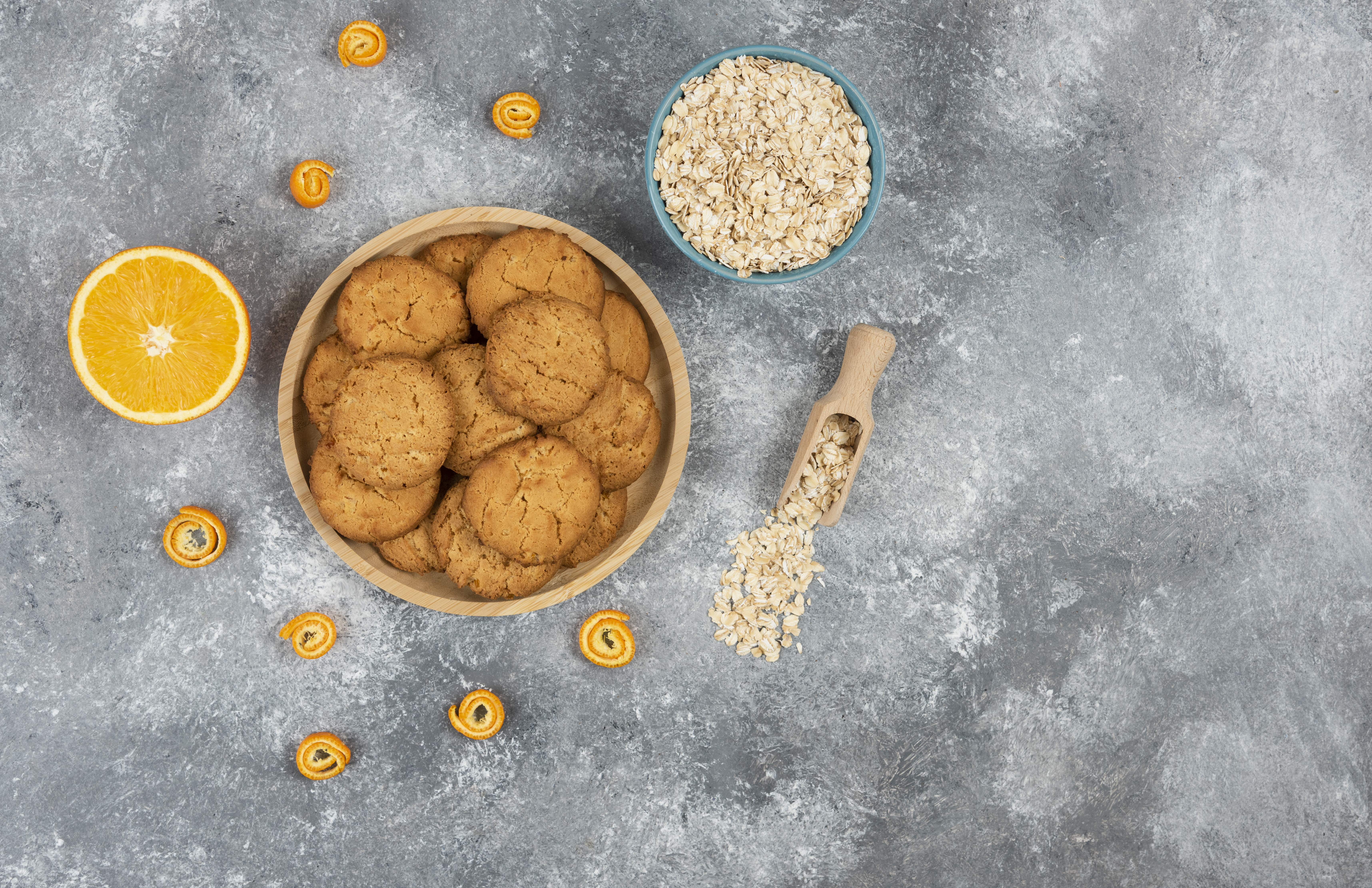
Saving the planet can taste surprisingly sweet. Welcome to the age of Zero-Waste Cookies, where every crumb counts, every ingredient matters, and even yesterday’s coffee can find a delicious new life. Across the world, forward-thinking bakeries are transforming food waste into flavor. They are proving that sustainability and indulgence can, in fact, share the same plate.
The Crumbs That Started It All
The journey of Zero-Waste Cookies began with a simple question: What happens to all the leftovers? From spent coffee grounds to oat pulp from milk production, bakeries and food manufacturers generate tons of byproducts every day. Traditionally, most of these ended up in bins or landfills.
However, as climate awareness grew, so did the realization that these “waste” materials were still rich in nutrients and flavor. Innovative bakers started experimenting. The result? A crunchy, chewy revolution powered by what was once discarded.
The Sweet Logic Behind Circular Snacking
Circular snacking means more than just reducing waste. It’s about creating a system where every ingredient has a second act. In the case of Zero-Waste Cookies, this might mean using oat pulp from oat milk production, spent grains from breweries, or leftover coffee grounds from cafés.
This circular model is a win-win situation. Businesses lower waste disposal costs while consumers enjoy sustainable treats. Plus, these inventive ingredients often add unique textures and flavors that traditional recipes can’t match. Imagine a cookie with a subtle espresso kick from recycled coffee grounds. Sustainability never tasted so sophisticated.
Oat Pulp: The Humble Hero of Zero-Waste Baking
Oat milk’s rise to fame left one big question: what to do with all that leftover oat pulp? Thankfully, zero-waste bakers saw an opportunity. Oat pulp is nutrient-rich, containing fiber, protein, and natural sweetness. When added to cookie dough, it creates a soft, hearty texture that feels wholesome yet indulgent.
Several eco-conscious bakeries now champion oat pulp cookies as a flagship product. These Zero-Waste Cookies appeal to both health-focused consumers and those eager to support sustainable businesses. The beauty lies in simplicity, using what’s already available and transforming it into something new.
Moreover, oat pulp absorbs flavors well. This versatility allows bakers to experiment with combinations like dark chocolate, sea salt, and even orange zest. The result? A cookie that’s both ethical and exciting.
Coffee Grounds: Brewing a New Kind of Crunch
If you thought your morning coffee was the end of the story, think again. Spent coffee grounds are full of antioxidants and fiber, making them a surprisingly valuable baking ingredient. Many zero-waste bakeries now dry and grind them finely before adding them to cookie recipes.
The result? A deep, aromatic flavor that enhances chocolate-based cookies and adds a beautiful, earthy undertone. These Zero-Waste Cookies not only prevent waste but also bring a bold, barista-approved twist to the bakery aisle.
Coffee-ground cookies have even inspired collaborations between cafés and local bakeries. Cafés supply the byproducts, and bakeries turn them into irresistible snacks. It’s a community-based approach to sustainability that supports local businesses while reducing environmental impact.
Brewer’s Spent Grain: The Hidden Ingredient with a Bite
Breweries produce enormous quantities of spent grain during beer production. Traditionally, much of it goes to animal feed or compost. But in the hands of creative bakers, it becomes an unexpected star ingredient.
Spent grain is rich in protein and fiber, lending a nutty flavor and hearty texture to baked goods. When blended into cookie dough, it gives Zero-Waste Cookies a rustic, artisanal character. Brands that use this ingredient often market it as a beer lover’s treat, a playful yet purposeful connection between two indulgent worlds.
The trend of Zero-Waste Cookies have even sparked partnerships between microbreweries and bakeries. Together, they close the loop, transforming waste into wonder. This synergy perfectly embodies the idea of circular snacking: nothing is wasted, everything is savored.
From Byproduct to Brand Story
Modern consumers crave authenticity. They don’t just want a cookie; they want a cookie with a cause. That’s where Zero-Waste Cookies shine. These treats tell a story, one of creativity, responsibility, and innovation.
Brands have started weaving their sustainability journey into their marketing strategies. They highlight the origins of their upcycled ingredients, showcase transparent production processes, and engage customers through storytelling. When people know their snack helped reduce waste, the simple act of eating becomes an act of participation in a larger movement.
Moreover, sustainability-driven brands often see stronger customer loyalty. Shoppers today align with companies that reflect their values. A cookie that saves the planet, even in a small way, becomes more than a snack; it becomes a statement.
The Challenges of Going Zero-Waste
Of course, baking sustainably isn’t all sugar and smiles. Zero-Waste Cookies face unique challenges. Ingredient consistency can vary depending on the source of byproducts. Coffee grounds from one café might differ in moisture or flavor from another. Similarly, oat pulp freshness can impact texture.
Maintaining quality while scaling production is another hurdle. Zero-waste bakeries must balance experimentation with reliability, ensuring that each cookie meets both taste and sustainability standards.
Regulatory issues also come into play. Some regions require strict labeling or safety certifications for upcycled food. Still, these challenges push innovation further. As technology improves and demand grows, standardizing zero-waste production becomes more achievable.
Innovation in Every Bite
Technology plays a huge role in advancing circular snacking. Food scientists now develop systems to stabilize byproducts, extend shelf life, and enhance flavor profiles. Dehydration, fermentation, and milling techniques allow bakers to transform what was once perishable waste into versatile baking ingredients.
Startups and research institutions collaborate to refine these processes. Their goal? To make Zero-Waste Cookies not just a novelty but a norm. Some innovators even explore AI-driven recipe development, using data to match byproducts with ideal flavor combinations.
Imagine AI suggesting that oat pulp pairs best with lemon zest or that coffee grounds balance with hazelnut flour. The result could redefine both sustainability and taste.
The Future of Conscious Indulgence
The popularity of Zero-Waste Cookies reflects a broader shift in consumer mindset. People now understand that sustainability doesn’t have to sacrifice pleasure. They want snacks that feel good, taste good, and do good.
As food systems evolve, we’ll likely see circular principles applied across more categories, from ice cream to savory snacks. The zero-waste movement has already sparked collaborations between industries, encouraging cross-pollination of ideas and ingredients.
In time, circular snacking may become standard rather than exceptional. Bakeries could operate closed-loop systems, sourcing ingredients, packaging, and energy from renewable or reclaimed sources. Every bite will represent efficiency, creativity, and care.
A Bite of Optimism
Every great movement begins with small steps, or in this case, small bites. The rise of Zero-Waste Cookies proves that sustainability can be both delicious and doable. It shows how innovation thrives at the intersection of necessity and imagination. By transforming waste into wonder, bakers are rewriting the rules of indulgence. They remind us that progress isn’t just about cutting back; it’s about creating better versions of what we love.
So next time you reach for a cookie, think of the humble oat pulp, the rescued coffee ground, or the repurposed grain that made it possible. Because in this sweet new era of snacking, nothing truly goes to waste, not even the crumbs.