Why Car Seat Covers Are the Exciting New Sneaker Drops: From Function to Fashion
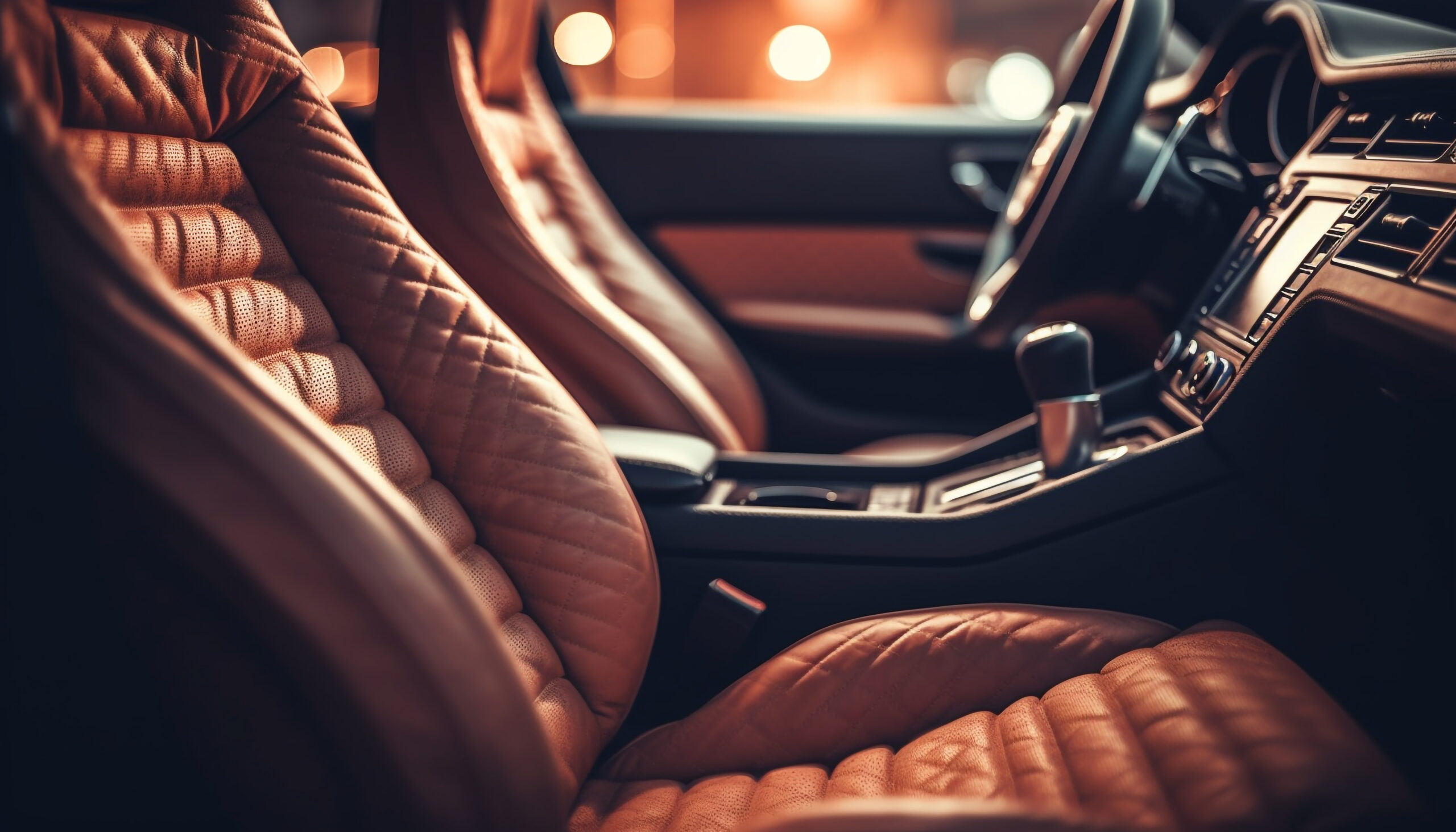
Car interiors have come a long way from stiff leather seats and dull fabrics. Once seen as mere protection for upholstery, Car Seat Covers are now powerful fashion statements. They no longer serve just a functional role; they define a driver’s personality. In fact, today’s consumers treat Car Seat Covers the same way sneakerheads treat limited-edition drops: unique, expressive, and collectible.
This shift from utility to identity is reshaping the automotive accessories market. Let’s explore how personalization and style trends are driving this exciting evolution.
The Evolution of Car Seat Covers: From Necessity to Novelty
A decade ago, Car Seat Covers had one job: to keep seats clean. They shielded upholstery from dust, coffee spills, and pets. Their role was purely practical, often boring, and seldom discussed.
However, as car interiors became a canvas for self-expression, things changed. Drivers wanted more than protection; they wanted personality. Custom stitching, bold colors, and luxe materials began to dominate the market. Suddenly, a simple seat cover could turn a regular sedan into a personal statement.
Just as sneakers evolved from gym gear to streetwear essentials, Car Seat Covers transformed into must-have accessories. Function met fashion, and style took the driver’s seat.
The Rise of Personalization: Because One Size Never Fits All
We live in the age of customization. From playlists to coffee orders, consumers crave experiences that feel tailor-made. Cars are no exception. Drivers now want interiors that reflect who they are, not just what they drive.
Personalized Car Seat Covers allow that. Whether it’s quilted leather, vegan suede, or 3D printed designs, customization options are endless. Some brands even let customers upload patterns or logos to create unique covers.
This trend mirrors the sneaker culture. People line up for exclusive releases that showcase individuality. Similarly, drivers now browse catalogs for exclusive seat cover collections, limited runs, designer collaborations, and even themed editions inspired by pop culture.
The result? Car Seat Covers are no longer generic. They are wearable art for your vehicle.
Design Trends Fueling the Shift
Like fashion, Car Seat Covers follow trends. Designers are experimenting with bold aesthetics and sustainable materials. Here are a few that define the market today:
1. Sustainable Luxury
Eco-friendly materials are stealing the spotlight. Recycled leather, organic cotton, and bamboo fibers are making interiors both stylish and sustainable. Consumers want to drive green without compromising on comfort.
2. Two-Tone Textures
Monotone interiors are out. Contrasting colors, layered fabrics, and stitched detailing are in. This gives cars a dynamic, sporty look, something that feels modern and bold.
3. Minimalist Chic
While some drivers love color explosions, others prefer subtle elegance. Minimalist Car Seat Covers in muted tones offer sophistication and timeless appeal.
4. Tech-Infused Comfort
Smart materials are entering the scene. Imagine seat covers that regulate temperature or resist stains automatically. Technology adds both style and substance.
These design shifts prove one thing: Car Seat Covers are no longer an afterthought. They are central to the car’s personality.
The Psychology Behind the Purchase
Why are people suddenly obsessed with Car Seat Covers? The answer lies in identity and experience. When consumers buy customized accessories, they’re not just purchasing products. They’re buying emotions, comfort, pride, and self-expression. A customized seat cover makes the car feel personal. It tells a story about its owner, adventurous, minimalist, eco-conscious, or bold.
This mirrors how sneaker fans connect emotionally with their footwear. Owning an exclusive pair feels empowering. The same emotional rush applies when someone installs their dream set of seat covers.
Moreover, the car is an extension of personal space. It’s where people spend hours commuting, traveling, and reflecting. So, it makes sense that drivers invest in making that space feel special.
Social Media and the Style Revolution
Social media has turned Car Seat Covers into content. Car enthusiasts showcase interior makeovers on Instagram, TikTok, and YouTube. Hashtags like #CarAesthetic and #InteriorGlowUp are gaining traction.
Influencers now collaborate with car accessory brands. They review, unbox, and flaunt new designs, sparking trends that ripple through the market. Just as sneaker drops go viral, limited-edition seat covers can create similar buzz.
This digital exposure drives demand. Consumers no longer see seat covers as accessories; they see them as lifestyle essentials. The car interior becomes a stage, and every cover a costume change.
Sustainability: The Conscious Driver’s Choice
Sustainability isn’t a buzzword anymore; it’s a buyer’s priority. Many drivers now seek eco-friendly Car Seat Covers made from recycled or cruelty-free materials. This shift isn’t just ethical; it’s aspirational.
Brands are responding with collections that use upcycled fabrics and biodegradable packaging. Some even donate proceeds to environmental causes, aligning with the values of conscious consumers.
In a world where green choices define modern luxury, sustainable Car Seat Covers tick every box, style, comfort, and responsibility.
The Business of Style: How Brands Are Capitalizing
The Car Seat Covers market is booming. Global demand for customized interiors is projected to rise steadily in the next few years. Smart brands are capitalizing on the “fashionization” of car accessories.
Collaborations between auto brands and fashion designers are becoming common. Imagine Gucci-inspired patterns or minimalist Scandinavian textures inside your ride. This fusion of fashion and function opens new revenue streams.
Online customization platforms also play a major role. They offer interactive design tools, allowing customers to preview their interiors in real time. The result? A seamless digital shopping experience that feels personal and premium.
Just like sneaker brands leverage hype, car accessory makers are embracing drops, exclusivity, and influencer marketing. It’s no longer about mass production; it’s about making drivers feel unique.
The Cultural Shift: Cars as Lifestyle Statements
Cars have always been symbols of freedom and identity. But now, personalization has taken that idea further. The rise of Car Seat Covers as fashion pieces reflects a broader cultural shift toward individuality.
People don’t just drive cars; they curate experiences. The same way sneakers complement outfits, Car Seat Covers complete the driving aesthetic. It’s about matching moods, seasons, and even playlists.
In essence, we’ve moved from “I drive this car” to “this car represents me.”
Future Trends: Where Function Meets Emotion
The future of Car Seat Covers will be about merging design with technology. Expect to see smart fabrics that adjust firmness, temperature, or even color through app controls. Augmented reality will let customers preview their designs virtually before purchase.
Sustainability will remain central. More brands will adopt circular models, letting customers trade in old covers for recycling or redesign.
And style? It will keep evolving. As long as cars remain an expression of personality, Car Seat Covers will keep reinventing themselves, just like sneakers do.
Conclusion: More Than a Cover, It’s a Statement
The humble seat cover has officially entered the fashion chat. What started as protection for upholstery has become a symbol of taste, creativity, and individuality. From eco-luxury to limited-edition designs, Car Seat Covers now sit at the intersection of comfort and culture.
So, next time someone upgrades their interior, don’t call it an accessory. Call it a drop. After all, in today’s automotive fashion world, Car Seat Covers are the new sneaker drops, and everyone wants the latest pair.