Can Gemini for Home Outshine Alexa? Google Thinks So
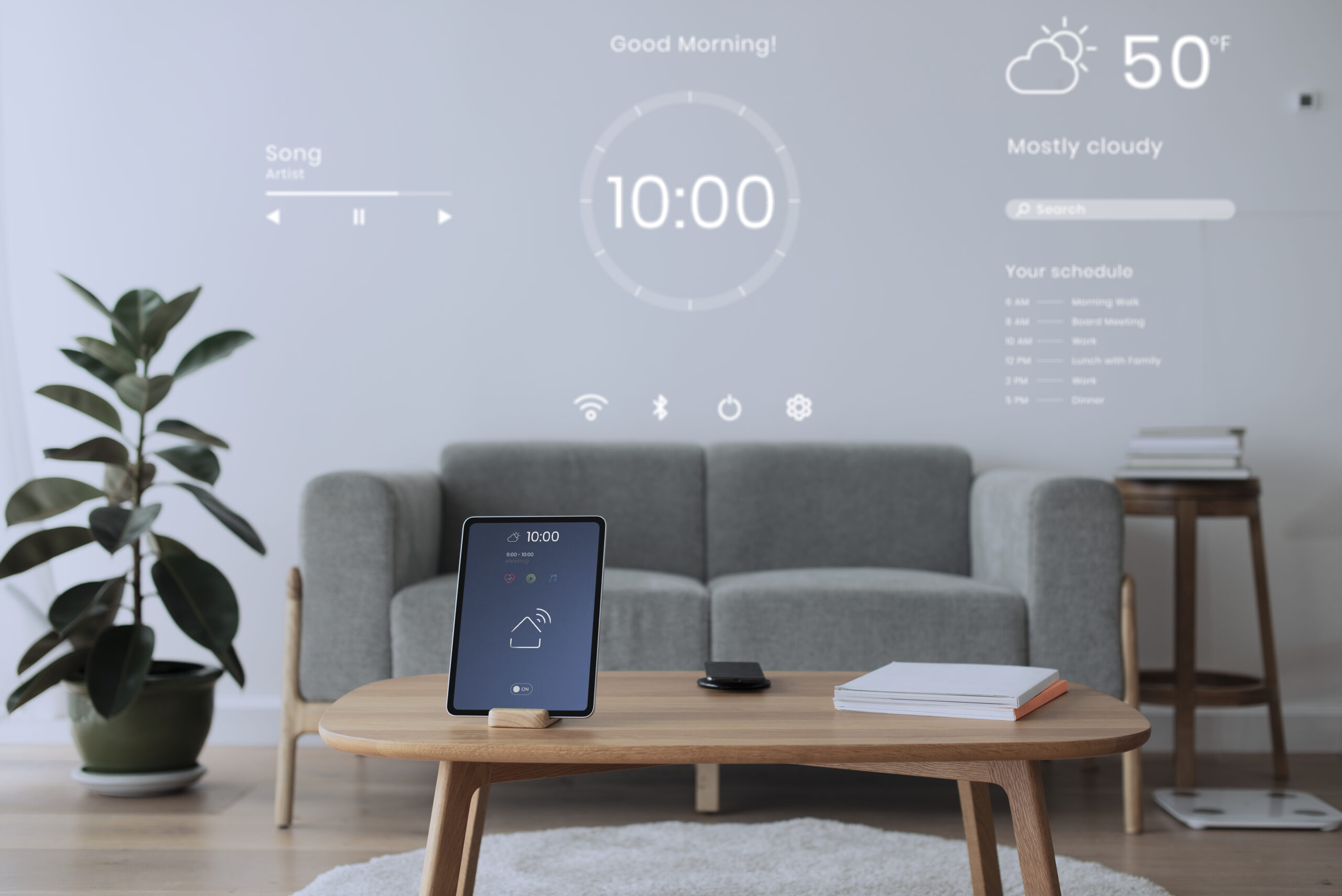
Google has stoked excitement by unveiling a teaser for Gemini for Home, its next AI smart home initiative. The company intends to present it during a hardware event scheduled soon. Although many details remain secret, insiders believe Gemini for Home will integrate AI deeply into daily home life. The teaser has already triggered chatter throughout the tech press.
This expansion aligns with Google’s overall plan to integrate AI into consumer devices. Following the success of its Gemini AI in cloud and mobile services, Google is now shifting its focus to the home. Its Nest products have long provided thermostats, cameras, and smart displays. However, Gemini for Home signals a shift toward a unified, intelligent system.
Observers foresee Gemini for Home competing strongly with Alexa and Apple’s HomeKit. The teaser features symbolic imagery of AI responding to voice instructions, controlling energy, and performing security tasks. Therefore, many analysts expect a full hardware product line under Gemini for Home.
Sundar Pichai recently asserted that future computing will center on AI anticipating user actions. That stance resonates with Gemini for Home, which appears to be engineered to learn routines. For instance, if a user typically dims lights and adjusts the temperature at night, the system could carry out the sequence automatically.
Google also emphasized data privacy in its short announcement. That is significant, given the ongoing concerns about smart home privacy. Through local processing in Gemini for Home, Google plans to reduce reliance on cloud infrastructure. This approach may enhance performance while safeguarding personal data.
Though Google hasn’t confirmed which devices will accompany the platform, leaks suggest a revised Nest Hub, smart speakers, and intelligent light modules. Observant developers have spotted Google Home SDK updates that enable richer AI interactions. That discovery supports the hope that Gemini for Home will utilize multimodal interfaces seamlessly.
In particular, the teaser phrase “A home that learns with you” signals the presence of adaptive technology. Homes could gradually evolve to reflect user behavior. If Gemini for Home lives up to promises, it might transform how we interact with our environment.
Also noteworthy is the probable embedding of Google’s large language models inside home hubs. That could deliver more natural, conversational device interaction. Instead of forced commands, users might enjoy smooth dialogue. Saying “get ready for guests” could activate lighting, music, climate, and access control at once.
This announcement arrives while interest in smart home tech surges. Buyers now expect convenience, energy savings, and safety – areas where AI can provide a boost. Google is prepared to meet these expectations with Gemini for Home, which combines hardware and intelligence.
Although Apple and Amazon currently dominate the market, Google’s AI prowess gives it a competitive advantage. That edge could shift the landscape once Gemini for Home arrives. Initial impressions suggest a seamless user experience and rapid onboarding, features crucial for adoption.
In the period leading up to launch, Google is likely to release further hints and developer previews. Those may reveal use-case demos, behind‑the‑scenes tech, or day-to-day scenarios. For now, the public can only guess from scant clues. Yet, momentum behind Gemini for Home continues to grow.
In the end, Gemini for Home stands for Google’s vision of an AI‑driven life. From lighting to security and beyond, this platform may deliver a home that not only listens but understands. With the launch date nearing, technology watchers and consumers alike will wait to see how well this bold vision materializes.
Gemini for Home represents more than just another tech product; it signals Google’s deeper move into everyday life. If it truly blends AI, privacy, and usability in the way it’s teased, it could define the next wave of smart home evolution. Consumers now wait to see if the reality matches the hype. If so, Gemini for Home may become a central figure in the intelligent homes of tomorrow.