Soft Drink Meets Stardom: From Ads to Iconic Moments
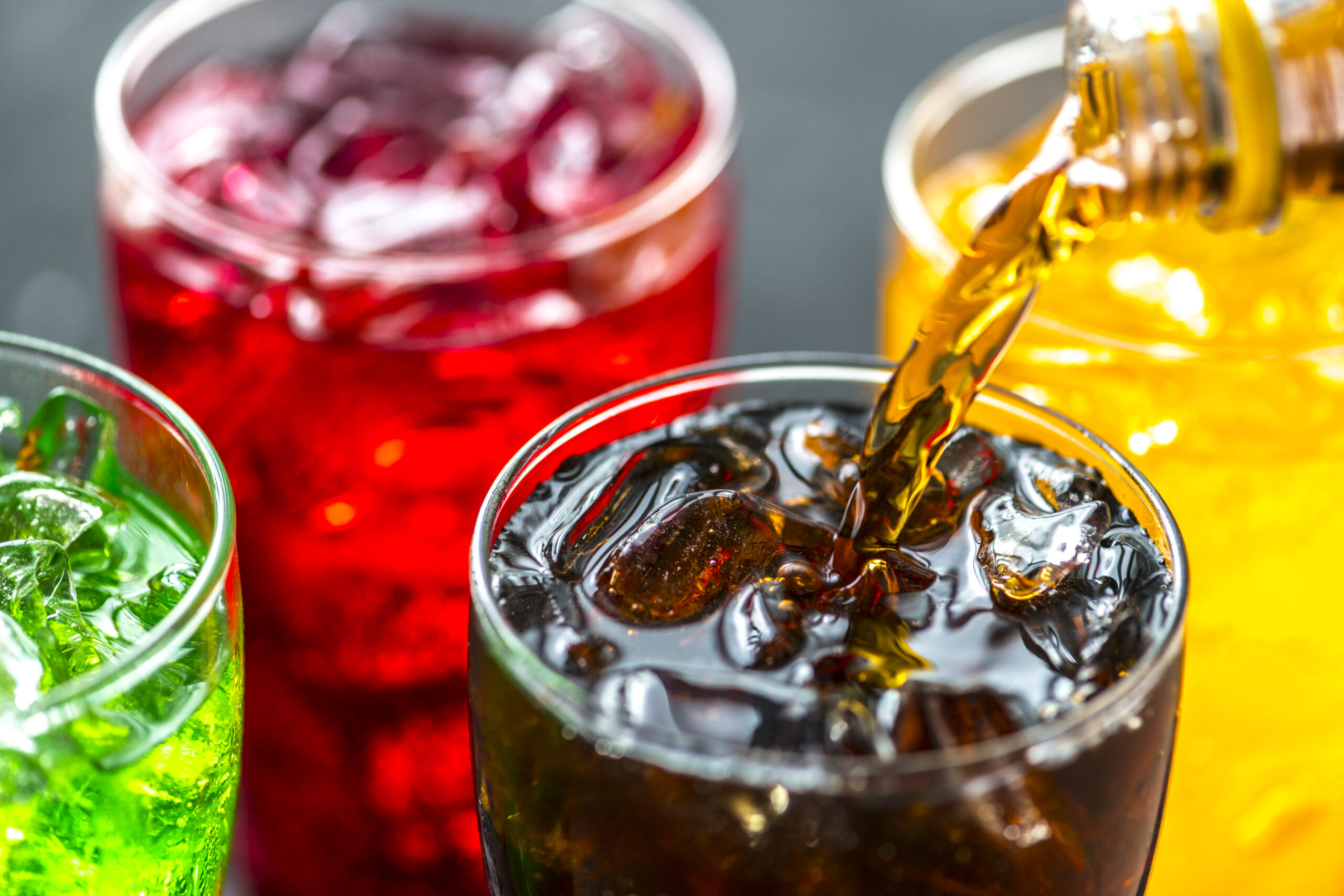
From James Bond sipping Coca-Cola to Kendall Jenner’s controversial Pepsi moment, soft drinks have done more than just quench thirst. They’ve cemented themselves in the DNA of pop culture. Whether it’s in movies, music, advertising, or global events, soft drinks have become a symbol of lifestyle, rebellion, unity, and occasionally, marketing missteps.
Let’s explore how soft drinks shaped pop culture, one fizz at a time.
The Birth of a Beverage, and a Brand
Long before sodas showed up on your favorite TV shows, they bubbled up from pharmacies. Originally marketed as tonics, soft drinks evolved from medicinal mixtures into lifestyle staples. Coca-Cola, created in 1886, didn’t just sell a drink; it sold an idea.
Soon, that idea became an image. Brands like Pepsi and Coca-Cola invested heavily in visuals. From painted signs in Havana to roadside billboards in Kansas, the world began to associate soft drinks with happiness, refreshment, and youth.
Hollywood’s Favorite Fizz
When James Bond traded his iconic martini for a Coca-Cola in Skyfall, it wasn’t just product placement. It was proof of the soft drink’s place in modern storytelling. Whether it’s a teen cracking open a can in a high school drama or aliens discovering Mountain Dew in a sci-fi flick, soda is everywhere.
Why? Because it’s universally understood. Everyone knows that “pop and a smile” moment. The crack of the can, the fizzing pour, it’s cinematic gold.
And Hollywood cashed in. Think Back to the Future, “Give me a Tab.” Or Forrest Gump chugging 15 Dr Peppers before meeting the president. These aren’t just throwaway lines. They’re cultural timestamps.
The Ad that Launched a Million Sales
No discussion of soft drinks in pop culture is complete without talking about advertising. From jingles that get stuck in your head to commercials that tug your heartstrings, soft drinks have mastered the art of persuasion.
Take Coca-Cola’s 1971 “I’d Like to Buy the World a Coke.” It wasn’t just a commercial. It was a global peace anthem, set to sugar and bubbles.
Fast forward to 2017. Pepsi released a controversial ad starring Kendall Jenner. The ad attempted to tap into protest culture but fell short. It sparked outrage instead of unity. Yet even in failure, the brand remained at the center of the global conversation.
That’s the paradox of soft drink culture. It’s powerful, risky, and always under the microscope.
The Globalization of Gulping
Soft drinks didn’t stop at the U.S. border. They became ambassadors of Western culture. From the Middle East to Southeast Asia, soda signified modernity, freedom, and status.
In China, Coca-Cola was one of the first foreign brands allowed after economic reforms. In India, soft drinks became a battleground, first through bans, then boycotts, and ultimately, market dominance. Across Africa and Latin America, soda distribution networks rival public infrastructure. If there’s no road, but there’s Coke, people notice.
This global reach isn’t just about thirst. It’s about aspiration. People aren’t just drinking cola, they’re sipping a slice of the American dream.
Music, Dance, and Bubbly Beats
The link between soft drinks and music runs deep. Michael Jackson famously signed a $5 million deal with Pepsi in 1984. It was a watershed moment. Not only did it align a pop legend with a pop beverage, but it also showed how brands could piggyback on cultural icons.
Later, Beyoncé and Britney Spears would also secure multimillion-dollar Pepsi deals. These weren’t mere endorsements. They were collaborations. The line between artist and advertiser blurred. And it worked. When Beyoncé danced with a Pepsi in hand, fans didn’t just see an ad; they saw empowerment, style, and cool.
Fashion, Memes, and Soda Aesthetics
From vintage Coca-Cola t-shirts in Tokyo to Fanta-themed streetwear in Paris, soft drinks have a significant influence on fashion trends. Gen Z has embraced soda nostalgia, repurposing old logos into ironic, aesthetic statements.
On Instagram, Tumblr, and TikTok, soda cans are often used as props. They’re part of the “cool clutter” of flat lays and vlogs. They’re also meme gold. Remember the viral “Pepsi Man” resurgence? That’s internet irony fueled by pop culture and carbonation.
Not Always Refreshing: Backlash and Culture Wars
Of course, not every soft drink moment lands well. Many brands have found themselves in hot water. Whether it’s overconsumption of sugary content, environmental waste, or tone-deaf advertising, soft drinks face growing scrutiny.
The Kendall Jenner Pepsi ad highlighted how quickly culture can turn. What was meant to be inclusive became inflammatory. Similarly, critics point out how soft drink marketing often targets low-income communities, especially children. The conversation around soda isn’t just fizzy, it’s fiercely debated. As culture evolves, soft drink companies must navigate a delicate balance between staying relevant and being respectful.
Soft Drinks and Sports: A Winning Combo
From the Olympics to FIFA World Cups, soft drinks sponsor the world’s biggest sports events. Coca-Cola’s tie to the Olympics dates back to 1928. Since then, it’s become part of the spectacle.
But these brands don’t just buy billboards. They shape athlete endorsements, fan culture, and even stadium design. When Cristiano Ronaldo moved two Coca-Cola bottles away in a press conference, $4 billion vanished from Coke’s market value. That’s the power of perception.
What’s Next for Soft Drink Culture?
The modern consumer is skeptical. Health concerns are rising. Sugar taxes are spreading. Water and functional drinks are catching up.
Can soft drinks remain iconic?
The answer lies in reinvention. Brands are launching zero-sugar options, plant-based fizz, and AI-designed flavors. They’re sponsoring e-sports, NFTs, and even AI influencers. In other words, they’re adapting. Because while tastes change, culture always needs a symbol. And few symbols are as universally recognized as a soda bottle.
Conclusion: More Than Just a Drink
Soft drinks are no longer just beverages; they are a lifestyle. They’re branding behemoths, cultural catalysts, and global icons. From movie cameos to viral controversies, they bubble up in every corner of pop culture.
So next time you crack open a cold can, think beyond the fizz. You’re not just drinking soda. You’re sipping history, branding, rebellion, nostalgia, and a global story told one sip at a time.